Eagan, Minn. — For four years, a mallard has nested behind a bush near the front door of Caitlin Deal’s home in a Minneapolis-St. Paul suburb, offering an up-close glimpse of nature for her young son and lessons for how people can coexist with wildlife.
The duck, dubbed Martha by the family, sits on her nest for about a month every spring in the tree-lined neighborhood of Eagan, Minnesota. After her eggs hatch around Mother’s Day, the birds toddle away.
“It feels nice that she trusts that area, that she trusts us to be able to come back year after year,” said Deal, whose 4-year-old son Owen’s first word was “duck.”
Spring is when wildlife – everything from birds to deer to alligators – bear their young, often in locations more suitable to humans than animals.
Experts maintain that with a few exceptions and some preparation, coexisting with creatures usually is easy – and often a lot of fun.
“My two biggest things are: Stay away from the nest or the little family as much as possible, and stay curious,” said Brittney Yohannes, a spokesperson for the Wildlife Rehabilitation Center of Minnesota.
Leave it alone
Find a nest or baby animal?
Wildlife experts advise leaving it alone.
Removing a nest can be illegal under federal law. If a bird has nested in a strange spot, homeowners can call their local wildlife agency for advice, said Oregon Department of Fish and Wildlife spokesperson Beth Quillian.
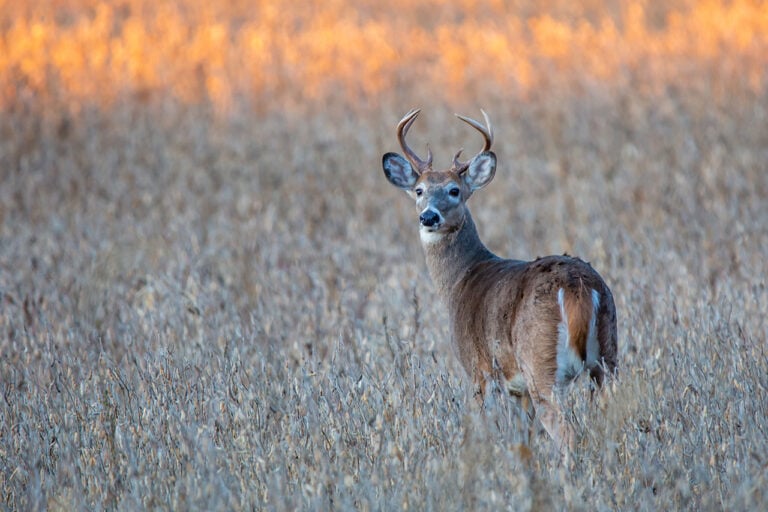
Besides birds, people often find deer fawns curled up in a corner of their yard or by an air conditioning unit. The fawn may appear abandoned, but Quillian said the doe usually has hidden her babe while foraging.
“That is to protect the fawn, to leave it there, sometimes hours at a time, but the doe will come back to that fawn, and that is natural and normal,” Quillian said.
People should leave fawns alone unless there are clear signs they need help.
MORE COVERAGE FROM MINNESOTA OUTDOOR NEWS:
An update on Minnesota’s Leech Lake muskellunge study
Minnesota DNR achieves some wins in legislative session
Minnesota Senate removes funding for Boundary Waters group following logo controversy
Protective parents
As cute as the animals may appear, people should remember that wildlife can be, well, wild.
Ducks are docile on the nest, but Canada geese and swans can be aggressive, said John Coluccy, of the conservation group Ducks Unlimited. A goose can knock a person to ground and hit them hard enough to break a bone, he said.
“They’re very, very aggressive. They’re long-lived and they protect their reproductive investment very vigorously,” Coluccy said.
Quillian noted that in parts of the West and Midwest, people may encounter elk calves, usually in forested and coastal areas, but possibly even near homes. Elk can weigh 500 pounds or more, and cow elk also are incredibly protective of their young.
“It’s amazing to see wildlife, to get that opportunity, but we have to give them distance, respect their space, especially when they have young,” she said.
Visiting Florida? Alligators breed and nest from April to June. Female alligators often build nests that resemble piles of leaves, near ponds, retention basins and ditches. They aggressively guard their nests, often while hiding in water nearby, said North Florida Wildlife Center Animal Care Manager Darian Dowse.
The key is to keep your distance from mounds of leaves and to keep dogs on sidewalks, away from shorelines.
People with concerns about nests should call the Florida Fish and Wildlife Conservation Commission, Dowse said.
Dealing with problems
Sometimes animals like raccoons, squirrels or foxes will hole up with their young in spots that just don’t work, such as in a covered boat.
One solution that doesn’t rely on live traps or hiring a pest control service is to install a shop lamp to flood the area with light, said Tami Vogel, executive director of the Wildlife Rehabilitation Center of Minnesota. A mom will usually move her young within a couple days.
People can also install metal mesh to close off sheds and decks, she said.
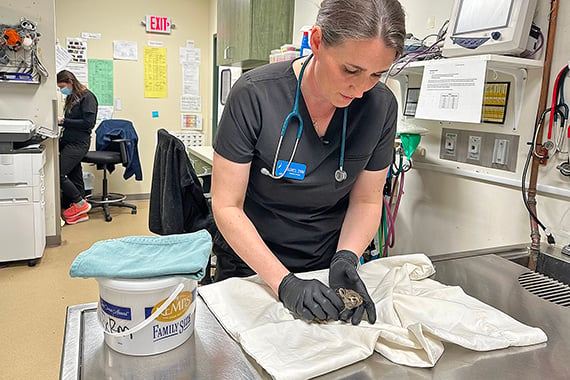
Vogel said center staff try to educate people about their options.
“We want them to know we’re here as a safety net and what to look for if something goes wrong, and then the good news is, two weeks later, their neighbor may have a similar situation and they can pass along that information,” Vogel said.
What about pets?
Dogs and cats are predators, so the key is to keep them close.
For Deal in Minnesota, a big concern for Martha’s safety revolved around her family’s dog, Piper, who loves to chase animals.
Deal said the family made sure to keep Piper on a leash, and Martha didn’t seem to mind.
Rabbits are incredibly prolific in the Midwest and are one of the most common subjects of calls to the Minnesota center, in part because they nest in yards, Yohannes said.
The center recommends placing a laundry basket over a nest during the day to keep dogs away, and removing it near evening so the mother can to tend to her young.
“One of the best pieces of advice I can give is just understanding that period of coexisting with this nest or this family will be temporary,” Yohannes said.