




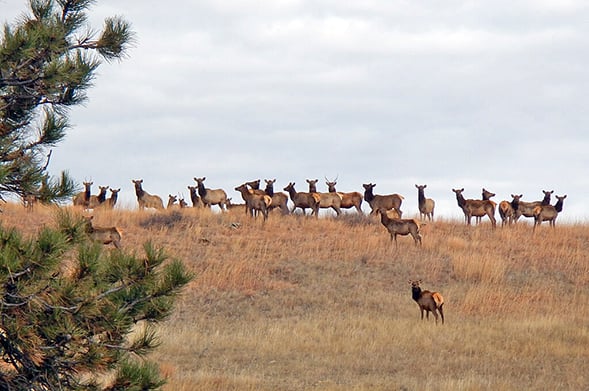
South Dakota wildlife officials are raising the state’s elk population goal in the Black Hills, while taking the opposite approach east of the Missouri River.
The South Dakota Game, Fish and Parks Commission moved on Thursday, May 7 to revise its initial draft elk management plan, increasing the Black Hills elk population objective from 6,000 to 8,000 elk to 6,000 to 9,000 elk.
 That move came only a few days after lawmakers finalized a separate change, approved by the commission, that creates an unlimited elk-hunting season east of the Missouri River, excluding the Crow Creek Reservation. Lawmakers voted 4-2 for the package, with Sen. Liz Larson and Rep. Erik Muckey, both Sioux Falls Democrats, voting no.
The moves highlight South Dakota’s conflicting perspectives on elk, which are largely dependent on geography and job title.
In the Black Hills area, the species is widely appreciated. Elk are on postcards. Park visitors and residents expect to see them (though some regional ranchers whose cattle compete with elk are less appreciative).
Meanwhile, the state is actively trying to prevent the establishment of a permanent elk population in eastern South Dakota, where some farmers view them as pests that destroy fields.
But more elk are appearing in the East River region, Tom Kirschenmann, director of wildlife for Game, Fish and Parks, told lawmakers.
“They can create a lot of damage, and it’s a very, very challenging management activity,” Kirschenmann said. He added that the agency has no intention of managing a permanent East River elk population.
MORE BIG GAME COVERAGE FROM OUTDOOR NEWS:
Northern Moose Alliance wants your trail camera images of moose from northeast Minnesota
Michigan researchers continue investigation of moose survival in the Upper Peninsula
Changes to Michigan’s elk season in play, including fewer tags
Kirschenmann said East River elk are usually found between Pierre and Chamberlain, particularly on the Crow Creek Reservation, which will be excluded from the East River unlimited hunting unit. He said the agency is talking with the tribe’s wildlife department about an elk management strategy.
Sen. Larson said she did not dispute that crops are being harmed, but questioned whether the state has enough evidence to declare open season on East River elk.
“I don’t see enough evidence that we know how this would affect the elk populations,” Larson said. “I feel like this is a very new, new area that they’re going into.”
About the elk action plan
The draft elk action plan for 2026 to 2030 already signaled that approach.
It says, “Dispersing elk that occur east of the Missouri River will be managed via liberal hunting regulations to prevent the establishment of any elk populations.” The draft also says prairie elk densities are primarily managed to reduce agricultural damage on private land.
In the Black Hills, the discussion is different.
The department’s May version of the elk action plan sets the winter population objective at 6,000 to 9,000 elk in the Black Hills and 500 to 600 elk in Custer State Park. That doesn’t mean the public should inherently expect to see more elk in and around the Black Hills.
The department’s most recent aerial survey estimated 7,923 elk in the Black Hills, with a 95% confidence interval of 7,604 to 9,143 elk. That means there may already be around 9,000 elk in the Hills. The department estimated 7,388 in 2025. The 2026 estimate for Custer State Park was 765 elk.
Supporters of the higher objective say the Black Hills clearly can support 9,000 elk.
Jeff Olsen, representing the Black Hills Sportsmen’s Club, told commissioners the group supports the new objective, which ensures more opportunity for outdoors enthusiasts of all stripes to spot an elk.
Additionally, he said the state has proven it can reduce elk numbers quickly, if necessary. The plan preserves the lower end of the population range for that very reason.
Wildlife officials said that during droughts or periods of low forage production for livestock, it will set harvest strategies to move the herd toward the lower end of the range. During periods of above-normal precipitation and forage production, the department will manage toward the upper end.
That flexibility matters to ranchers and landowners who deal with elk damage west of the Missouri River.
Some mixed support
One Hot Springs-area rancher, Bruce Murdock, opposed raising the objective, writing that elk already use his U.S. Forest Service “grazing allotments,” private hay ground, water sources and more. He also cited drought, forage pressure, and higher livestock feed costs as reasons not to raise the population target.
“We definitely don’t need more elk at this time,” Murdock wrote. “The land just can’t handle it.”
The department’s plan says elk damage programs are designed to respond to private landowner concerns, including crop damage, hay field use, feed and fencing. The state offers assistance for fencing, protective panels, and repair. Reimbursement programs also exist, according to the state’s elk management plan.
Most public comments supported the change, according to the department. Department staff told commissioners they had received hundreds of comments on the elk management plan and increased population objective, with about 80% supporting it.
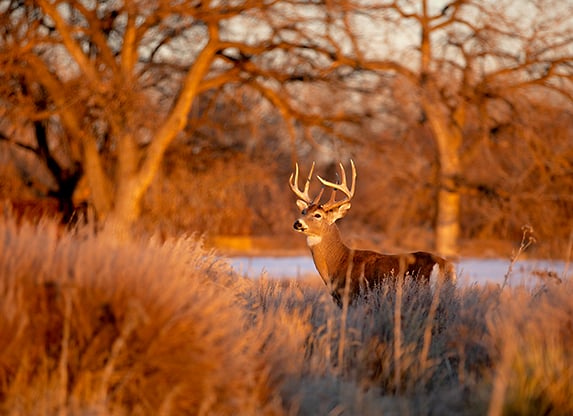
Pennsylvania’s hunting license sales down so far this year
Hunting license sales are down nearly 4.5% at the end of August, although Pennsylvania Game Commission officials believe there is
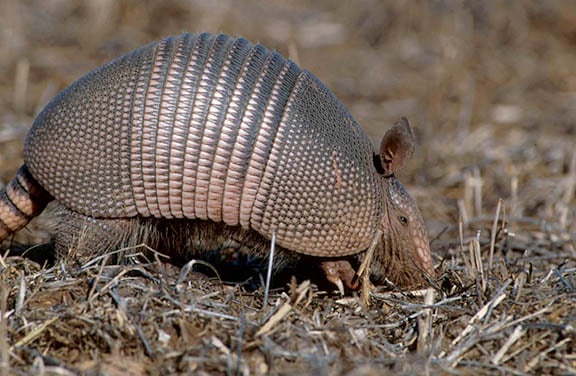
Origin of road-killed armadillo in southwest Ohio a mystery
An armadillo found as roadkill in southwest Ohio has researchers scratching their collective heads wondering from where the non-native mammal
Bowhunt gets started in Ohio with additional opportunity in CWD surveillance area
Hunters in Ohio’s chronic wasting disease (CWD) surveillance area have additional dates this season to pursue white-tailed deer. The Ohio
