




Commentary: Now is the time to move forward with federal wolf delisting
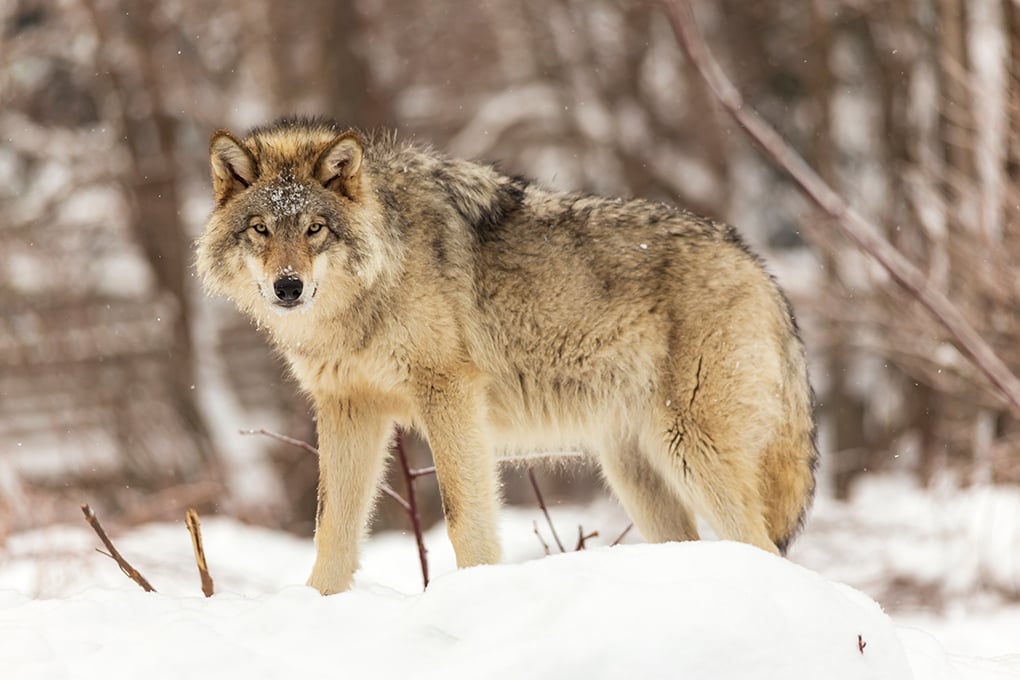
After 35-plus years of contentious actions and no permanent action on federal wolf delisting, it is time to move forward. Wisconsin has more wolves in developed areas than any other location in the hemisphere. Wisconsin has the second highest wolf numbers of any of the states in the Lower 48.
In the 2023 BioScience publication, a professional article by L. David Mech and David Ausband was published. For those who do not know these two experts, they are university professors who have decades of research experience with wolves and wolf science. There are probably few who can match their level of contact with wolves and knowledge about these animals.
The article is titled “The Challenges of Success: Future Wolf Conservation and Management in the United States.” It’s a timely topic as we hopefully move towards permanent federal wolf delisting. I will quote some directly from this article, in hopes that what is a highly contentious subject will reveal some path towards compromise, which is what is needed at this point.
The trouble is any “compromises” so far have largely been on the backs of hunters, livestock farmers, rural families and generally those who live in wolf-occupied areas. Without the Wisconsin legislature, and in one case, Wisconsin courts, we never yet would have even had a wolf season to make progress towards the ultimate goal of management of this highly successful species.
MORE WOLF COVERAGE FROM OUTDOOR NEWS:
Reported wolf conflicts in Minnesota drop in 2025
U.S. House passes bill to delist nation’s gray wolves
Mech and Ausband write: “Gray wolf recovery and conservation have been a remarkable success over the last 30 years in the United States. Remarkable success yields remarkable challenges, however. As populations expand, wolves will recolonize more human-dominated landscapes and face numerous challenges, such as fragmented habitats, barriers to dispersal, increased encounters with humans, pets, and livestock. In such areas, conflicts between humans and wolves will increase.”
Regarding the unavoidable fact that wolves are increasing and have had to move into human-dominated landscapes, Mech and Ausband have the following analysis: “Indeed, humans are the highest source of mortality for wolves and the dominant factor limiting wolf population expansion.”
The article notes that where legislators have passed requirements to delist wolves or mandate hunting and trapping seasons for delisted wolves, it is understandable that some members of the public react in frustration. In the same manner, when wolves are moved on and off the federal endangered species list by legislative action or by the courts, frustration also develops in other members of the public.
Mech writes, “Where wolves succeed in recolonizing but are not revered by local citizens, their presence leads to adverse political pressure … The rash of these lawsuits by wolf advocates that threatened to prevent wolf management by states and keep wolves legally protected forever … led to greater polarization of wolf constituencies.”
Mech and Ausband state that if more wolves in more areas are desired by society, reducing wolf-livestock conflicts is essential.
The article suggests focuses for understanding, planning and compromise. First is to develop livestock and human dominated maps of risk areas. This was partially done before wolves became numerous, in three studies by David Mladdenoff, of UW-Madison, in the late 1990s. The trouble is that the designation of appropriate locations for wolves have been ignored since that mapping exercise, and now the state defines appropriate wolf habitat as anywhere wolves have established a presence, even for a temporary duration. A map of risk areas would more accurately and safely define areas where wolves could avoid conflicts with humans.
Other suggestions include the necessity to harvest wolves in a sustainable manner while satisfying diverse stakeholders. That one is a tall order, but is based on compromise.
Further, the authors suggest providing acceptable wolf management that avoids a reduction of tolerance of wolves by the public. Wisconsin has generally failed in this objective. The last suggestion is providing acceptable wolf management that avoids public or legislative ballot initiatives or judicial decrees. The U.S. and Wisconsin has failed for the most part to implement this particular wolf management suggestion.
Regarding wolf seasons, the experts state, “Although harvests can affect wolf pups both directly (wolves killed) and indirectly (harvests affects group composition, which can reduce individual survival, wolves are generally quite resilient to harvest) … proximity to wolves and interactions with them typically leads to less tolerance for them. As wolf populations expand to landscapes where conflict with humans, pets, and livestock becomes more common, tolerance for wolves will decline.”
We have wolves in Wisconsin. These animals moved in through migration, and even if you do not believe that fact, the 3,000 wolves now in Minnesota would have found their way whether transplanted or through migration. There are some areas in Wisconsin where human activity is minimal where wolves can live in safety to a certain extent. But 30-plus years of conflicts have resulted in a fairly high level of intolerance where wolves exist or could exist.
Allowing wolves to live in natural landscapes without much human activity will provide sustainable wolf numbers in our state, and will be good for the wolves, which need an absence of human activity, enough natural food and a place to live safely to survive.
Laurie Groskopf, of Tomahawk, has more than 30 years of field experience with wolves and has attended many regional and international wolf conferences and webinars, International Wolf Center classes, and ran projects to assess public opinion on wolves, including 37 county board resolutions favoring a population goal of 350 or fewer wolves.
SUBSCRIBER CONTENT
Read this article now.
Create a free Outdoor News account.
Create a free account below to get instant access to this article, thousands of Outdoor News stories, and our digital editions. Your 1-month trial starts the moment you sign up.
No credit card required
No credit card required
Subscriber? Login Here.
Share on Social
Hand-Picked For You
Confirmed cougar makes an even dozen sightings over 25 years
Illinois bow season opens Oct. 1 with few changes
Illinois’ statewide fishing report on Sept. 25, 2026
Dan Small Outdoors Radio: Show 2139
Fish passage project in New York helps Great Lakes emerald shiners
Mixed conditions, but more ducks greet Minnesota’s opener this Saturday
Related Articles
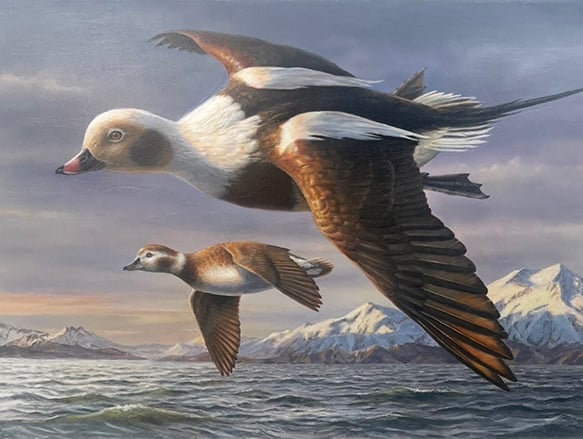
Minnesota artist Bob Hautman wins federal duck stamp contest for fourth time
Minnesota’s own Bob Hautman, from Delano, won the 2026 Federal Duck Stamp Art Contest today with his acrylic painting of
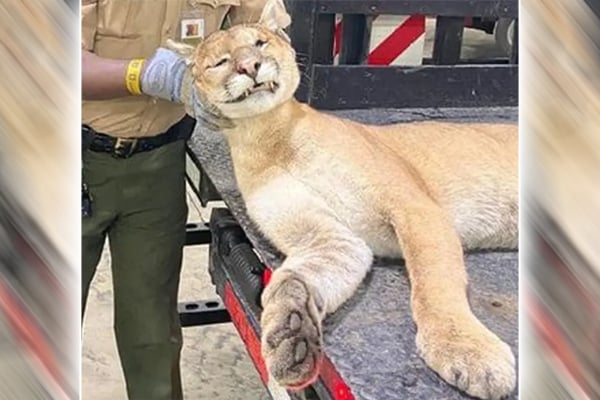
Confirmed cougar makes an even dozen sightings over 25 years
A mountain lion was spotted moving through southern Illinois, and this time wildlife officials believe the big cat crossed west

Illinois bow season opens Oct. 1 with few changes
The DNR has floated the idea of establishing additional Restricted Archery Zones in other parts of the state, but this

3 thoughts on “Commentary: Now is the time to move forward with federal wolf delisting”
Wolf population decimated. Lets bring them back. Oops, now we must manage the population. Enter the hunters killing for fun. DNR is a racket. They only care about the money they can line their pockets with. Whose the loser? The animals of course.
Ignorant! Anti hunter!
I hunt. It is enjoyable. I don’t “kill for fun”. Haven’t figured out how to “line my pockets “. Living NW of Tomahawk seeing wolves is not uncommon. Recent news reports about losing six dogs in one weekend to wolves up here and wolf harassment of duck hunters is concerning.
Wolves should be managed same as other wildlife.
Based on the amount of Wolf sign as well numerous sightings there are no reasons that they should be taken off federal list What happened to the 350 wolfs I would say based on sign and sightings It is way over that amount and lack of Deer sightings it’s Time!