




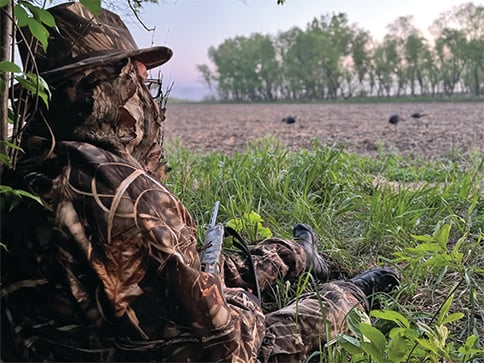
South Dakota lawmakers will again weigh whether the state should require hunting and fishing guides to be licensed as the state’s annual winter bill-making session is under way.
It’s a debate that’s resurfaced as more and more guides advertise online. Some are leasing exclusive access to prime private acres, increasing hunting pressure elsewhere.
Yet, some outfitters and landowners warn that a broad licensing approach could sweep in private arrangements that have little to do with issues of access and crowding.
 South Dakota state Sen. Curt Voight has filed Senate Bill 16, which would require annual licenses for fishing and hunting guides and set the fees at $500 for South Dakota residents and $1,000 for nonresidents.
The bill would require guides to be at least 21, carry $1 million in liability insurance per occurrence, and hold CPR and first-aid certifications. Under the bill, providing guide services without a license would be a misdemeanor, with each client treated as a separate offense.
Should the bill pass:
“Beginning July 1, 2027, an individual may not, for consideration, act as a fishing guide or a hunting guide or represent to the public that the individual is a fishing guide or a hunting guide, without first obtaining an annual guide license from the Department of Game, Fish and Parks.”
The bill would require the governor-appointed commission that oversees the Wildlife Division to “promulgate rules” to “establish the application process for licensure as a fishing guide or hunting guide,” including “the development and availability of the application; and the verification of information contained in the application; and establish a code of conduct pertaining to interactions between the licensed guide and a client …”
MORE COVERAGE FROM OUTDOOR NEWS:
Auditor finds few flaws in Minnesota DNR’s Outdoor Heritage Fund grant management
Rejected by SCOTUS, Minnesota deer farmers to turn to state Legislature
New York hunter gets his buck, then the bear that followed
The bill also ties license revenue to habitat and access work. Fees collected for fishing guide licenses would be used to enhance aquatic habitat on public waters, while hunting guide license revenue would go toward enhancing terrestrial habitat and supporting public access.
Proponents argue that anyone generating private profit from public trust resources should have to put a little more toward those resources, particularly if that profit is allowing the guide to access a disproportionate amount of the public’s wildlife.
Fans of licensing guides argue the industry has grown without consistent standards, leaving customers to sort through a patchwork of services advertised online, and no record of how many guides are even operating in the state.
But some hunting guides and land-access advocates say the proposal, as written, could go well beyond regulating commercial outfitters. They worry the bill, as written, could treat a landowner who charges a modest fee or a day of work for hunting rights the same as a commercial hunting guide.
In reaction to the bill, some fishing guides in the state claim that public access is not a legitimate issue. They say the state’s lakes and rivers are not crowded. They also note that fish populations are dependent on wildlife officials stocking public water bodies with them. Therefore, a trove of guides attracting out-of-state anglers who purchase more expensive licenses is ultimately good for the public’s fisheries.
A 2025 bill would have directed the South Dakota Game, Fish and Parks Commission to write rules to license guides. It died on a 10-2 vote during its initial committee hearing.
The South Dakota Wildlife Federation has previously said it supports licensing guides, but has remained silent on the 2026 bill. Its prior approaches included carve-outs and were particularly focused on waterfowl guides. A 2019 bill to license waterfowl guides was defeated 12-0 during an initial committee hearing.
South Dakota’s 2026 bill-making session began Jan. 13.
As lawmakers return to the issue, the central question remains the same as in past years: whether licensing is a needed consumer-protection and conservation tool, or an over-broad solution that could entangle everyday landowners and hurt hunting tourism.

Pennsylvania Mixed Bag: Docks removed early at Lake Wallenpaupack
The Pennsylvania Fish & Boat Commission recently announced that public boat docks at the Mangan Cove Access on Lake Wallenpaupack,
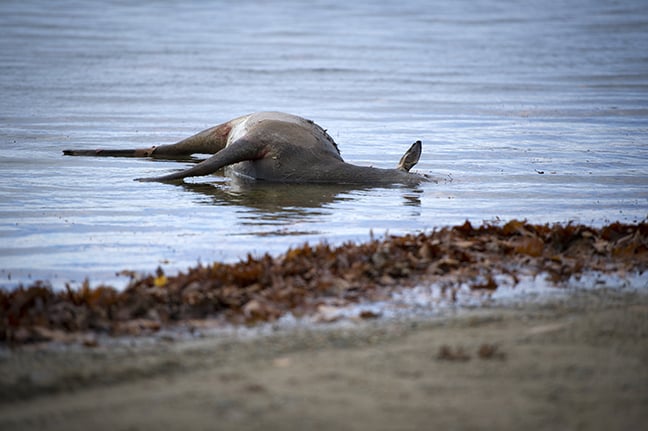
EHD in Michigan’s deer herd concentrated to four counties so far
The Michigan DNR has confirmed epizootic hemorrhagic disease in four counties so far in 2026, with plenty more tests pending
Dan Small Outdoors Radio: Show 2138
Indiana hunter scores a huge black bear in northern Wisconsin. Jeff heads to Cass Lake, Minn. for a Masters Walleye
