




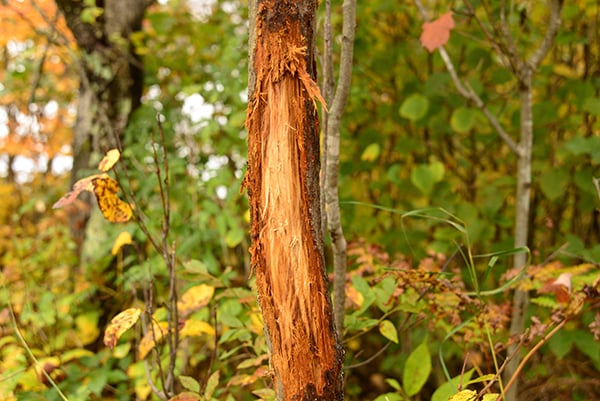
Hunters are surprisingly good at finding reasons to not go into the woods. For many of us this season, this has been pretty easy to do. The weather has been toasty here in the Upper Midwest, and plenty of bowhunters choose to skip stand time when the temps are a little too high.
That means for many, September was largely a bust. And now we’re entering the heart of the “October lull” –another part of the season during which a lot of folks think hunting is just not worth it. If you do the math, that doesn’t leave a whole lot of the season left during which you can make something happen.
A better bet than sitting it out is to forget what the lull is supposed to represent, and hunt anyway. You just need a plan of action and a willingness to see it through. The first step to this is to acknowledge what’s really going on in the woods.
Get off the destination food sources
Most bowhunters kick the season off by sitting on the edges of fields and food plots, and why wouldn’t they? Summertime bucks are most patternable on destination food sources, and when they haven’t been hunted for nine months, they can be easy pickings.
This has all changed by now for most of us. With a few weeks of pressure in the rearview mirror and the fact that bucks know hunting season is back on, you have to forget the usual early-season setups.
The lull is all about getting into the cover and meeting the bucks where they feel most safe. This can be accomplished in a variety of ways, most of which will involve matching up fresh sign with some type of decent food source.
MORE WHITETAIL COVERAGE FROM OUTDOOR NEWS:
Ohio Insider: Would these ideas actually get hunters to take more antlerless deer?
How to kill a buck when the temperatures rise
Four reasons you aren’t having the bowhunting success you want
Sign concentrations
As the leaves start to fall and hunting pressure pushes bucks into security cover, a couple of things happen. They obviously become less visible in open areas, but they also become somewhat concentrated in the woods. Where this occurs, they often lay down sign in communal areas, which are often tied to a food source that won’t be around forever.
This might be an oak ridge where the acorns are falling, or it might be in a creek bottom where the browse is a little more lush than it is in surrounding areas. The key is to slip in during the midday and look around. If you start to find sign in the cover, pay attention to likely food sources. Where the sign meets the best food is where the bucks are most likely to move during shooting hours.
Trail cameras can help you pinpoint these locations better, but it’s also a good idea to learn to simply trust the sign and hunt as soon as you can. While trail cameras can tell you who’s using an area through 24/7 surveillance, the window to take advantage of these spots is often a short one. You don’t want to wait too long to get in there.
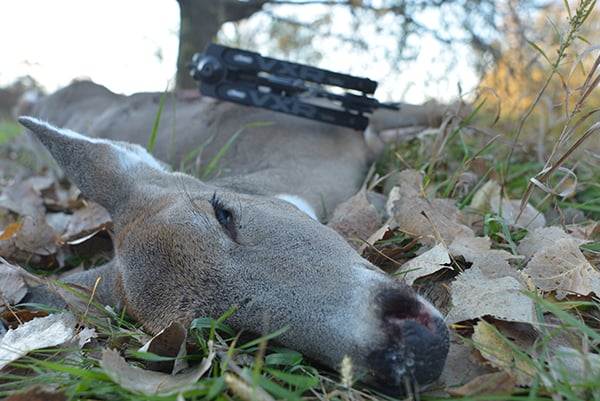
Hunt deer first, bucks second
If you’re still on the fence about hunting in early to mid-October, consider lowering your standards.
A great way to spend some stand time right now is to focus on trying to arrow a doe for the freezer. It’s still far enough from the rut that your presence now won’t matter much, and the challenge of finding does often puts you in spots where the bucks will be as well.
Instead of solely focusing on finding a buck that should be big enough to make you happy, try to hunt deer first. If you’re struggling to find rubs and scrapes in areas where you think you can set up and shoot a buck, try to scout out locations with plenty of tracks and droppings.
Where lots of deer are, some bucks are sure to be as well.
This allows you to have a more realistic goal while teasing out the patterns of all deer, and it can be a pretty big win to zero in on where some does are likely to give you a shot.
Figuring that out is challenging enough, but often comes with a bonus buck encounter, which is a lot better outcome than you’d have sitting out the next couple of weeks, waiting for the odds to increase.
Advisory group to youths rebrands as Outdoor Mentors
A mentoring group has unveiled a shorter name as part of a shift in identity that includes a new logo
Dissecting why duck hunters are disappearing from Minnesota marshes
The decline in waterfowl and waterfowl hunters is apparent to most hunters. In contrast, I don’t see any obvious drop-off
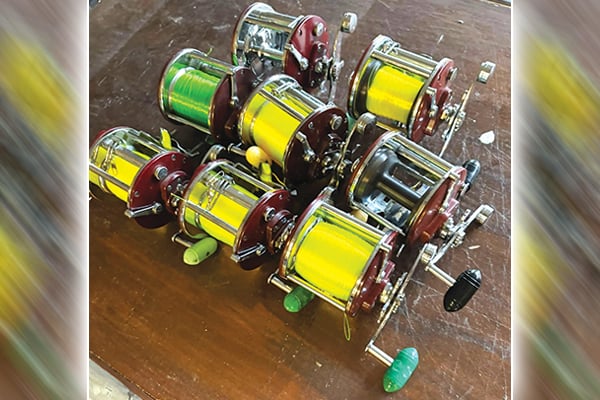
Mike Schoonveld: Fishing via vintage reels
saw a post on social media recently made by a person who had found a box of old fishing reels
