




My wife and I were in our kitchen almost 15 years ago on a summer Sunday afternoon when I brought up deer hunting, a subject she’d heard me mention frequently.
“I want to get really good at bowhunting whitetails,” I said.
“OK,” she responded, barely looking up from the task she was tending to.
“I don’t think you understand,” I told her. “What I have been doing isn’t working. I’m not seeing the results I want, and it’s going to take me committing to this far more than I have been.”
Back then, I was mimicking how others hunted from properties I could not relate to, and letting technology such as cameras do the work for me.
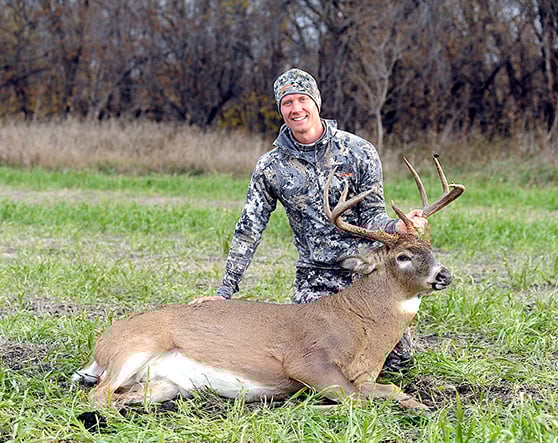
Now, I don’t feel comfortable bestowing upon myself the label of “really good bowhunter.” Archery humbles a person every season, but big-buck sightings and deer kills in general have grown substantially since making real changes after that conversation.
We’re taught from a young age that if you want anything in life, work hard at it. Bowhunting is no different, but great strides happen once you don’t feel like anything I’m about to write can be described as work. Learn to love the preparation as much as the hunt itself, and you’ll grow.
Bowhunting is piecing together a puzzle by piling little things on top of each other to get within 30 yards of an animal on its home turf. If you aren’t seeing the consistent results you want as a bowhunter, here are four reasons why that might be.
Not in the woods enough
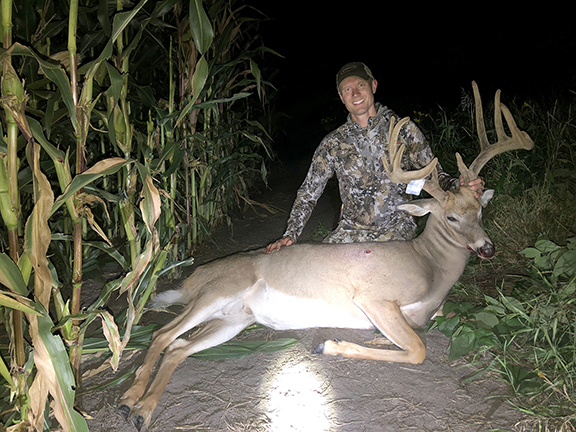
I don’t like lecturing on this because everyone’s available free time is different, but it’s just the simple truth. Nothing will take your archery success to another level more than falling in love with boots-on-the-ground scouting and analyzing why deer do what they do throughout a hunting season.
Let’s first touch on the seemingly constant worry of putting human pressure on the landscape. This tormented me in my early 20s when I was paralyzed by fear of bumping deer.
Deer certainly react negatively to an influx of human pressure like we might see during a gun opener. Some of that stems from people not thinking at all about access and going from Point A to Point B with no thought of wind direction, etc.
MORE WHITETAIL COVERAGE FROM OUTDOOR NEWS:
Gear items that will add to your efficiency this bowhunting season
Hunting in comfort: Is a box blind the best option for your top deer spot?
Want to hunt big game from a ground blind? Pay attention to the finer details
Think about your presence on a landscape, but don’t let fear of ruining a hunt keep you from learning where deer live and move during daylight hours.
If it’s months (heck, even days in some cases) ahead of a season, get in there and learn everything you can. Where are the bedding areas? Where are habitat edges/diversity? Where do trails intersect? Where are the food sources that will affect the direction of deer travel?
Pick everything apart, set waypoints, develop a plan, then stay out until it’s time to strike.
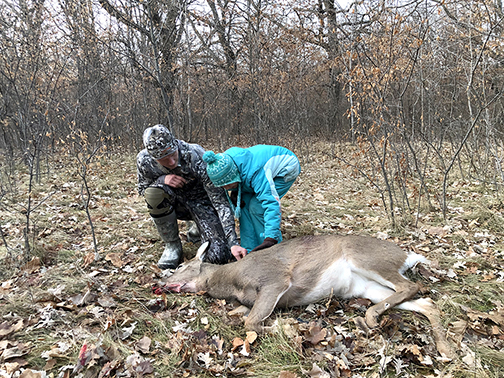
Be strategic during the season. Get the wind in your face and move slowly. If you bump some deer – fine. That means you’re in the game and it might be an indicator to set up. Think of it as progress instead of failure. Make note of where the deer were and why they might have been there.
Seek out fresh deer sign that go beyond locating a couple of rubs and scrapes. Where are leaves nipped off the stems of forbs during the early season? The same goes for areas of woody browse in the late season. Find that deadfall that funnels deer movement that you would never see by just looking at a map.
All of this takes time. Embrace that. There’s no better feeling in hunting than punching a tag on an animal that you found through reading the woods. It’s how you turn 50-yard encounters through the timber into 15-yard shots on a more consistent basis.
You don’t emphasize the importance of security (bedding) areas
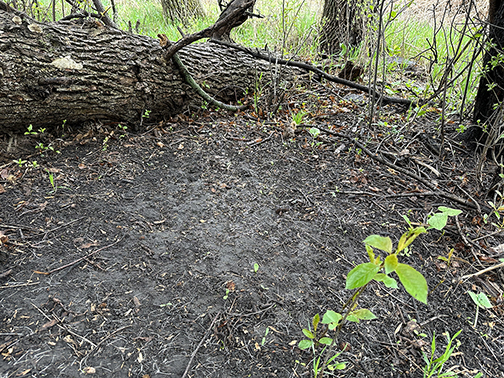
Understanding where whitetails typically choose to bed on a property is at the core of almost every decision I make for one simple reason: This is where deer spend most of their time in daylight.
Two things tend to hold true about bedding areas across many terrain types. The best of these areas provide deer with security, whether that’s by sight, sound or scent, and they have easy-to-access food (often in the form of forbs, row crops, mast crops, or woody browse) that does not require them to travel far from that security to get at it in daylight.
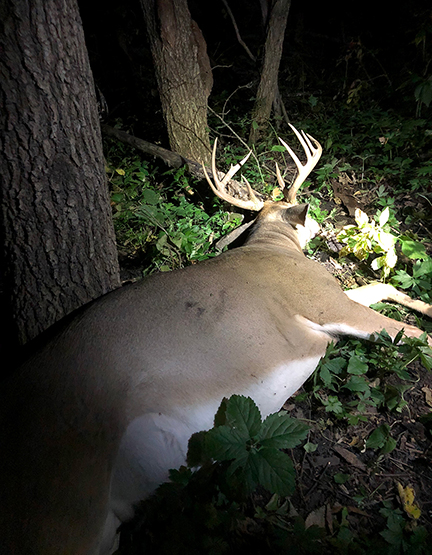
I believe in hunting within bedding areas at all times of the season under certain conditions – your access has to be good and you need a consistent wind that controls where your scent travels. Certainly, that’s not always possible.
Deer are on their feet more often during daylight than many believe. Some great recent buck-bedding research by the Mississippi State University Deer Lab sheds light on that, and I have seen this firsthand by hunting bedding areas.
Whitetails, including mature bucks, are moving short distances within security cover quite often during daylight throughout the season. Many hunters never see that movement outside of the rut because they are set up in wide open areas to see long distances.
It’s not always about hunting within these security locations. Understanding them helps you make better decisions on how to access and how close and where to set up to intercept movement.
Pick them apart by scouting. Where specifically are most of the beds? How do deer travel within these security areas and are there specific entrance and exit routes they take?
Ideally, this is done before the season starts, but archery seasons are long. Time is sometimes best spent scouting a bedding area in order to strike with a strategic plan later in the season. Two of the biggest bucks I have ever shot (one during early season and one during the rut) came after walking all over within their bedding area less than a month from the day I shot them. Again, don’t let fear of ruining a spot keep you from learning.
Think strategic access
On an out-of-state trip in 2020, I had a decision to make during a hunt that took place the first week of November.
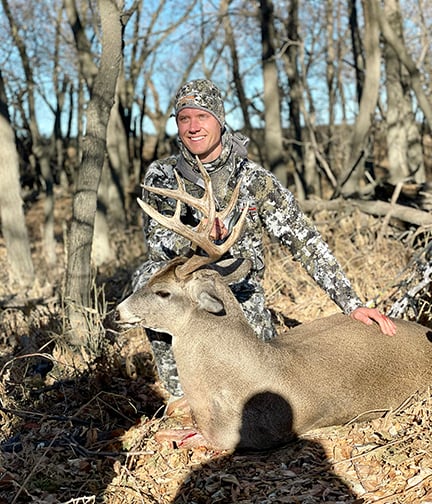
You don’t have to worry as much about great access during the rut when deer are moving longer distances, but that doesn’t mean strategic access is not important even then.
Five years ago, I did not have the kayak that I use today for entering and exiting hunt locations along water. Water levels that fall were high, which made walking along the river bank in this area quite difficult.
There were two ways into this pinchpoint adjacent to a thick bedding area. I could take the easy route along the field edge in the dark and almost certainly blow a bunch of deer out (which I did two weeks prior when water levels were too high), or I could slip (quite literally) 500 yards along the muddy river bank out of sight and directly into the tree I had prepared.
I settled into my hunting saddle that morning covered in sweat, but I was watching deer at first light. By 8:30 a.m., there was a dead 10-pointer lying 40 yards from the tree.
There are no doubt going to be certain hunting spots where there are no great ways to get in and out without a few deer detecting your presence. But that’s where you end up pounding your head against a wall, and why I actively seek out areas with great access when piling up hunting spot options for each season.
Use a boat, take the long route, slip up a creek and think about where your wind is blowing and where you are leaving ground scent relative to how you expect deer to move.
You’re not being mobile
If you bowhunt after a gun season on public or shared private properties you have no control over, it can feel like your chances of getting an older buck are over for that season.
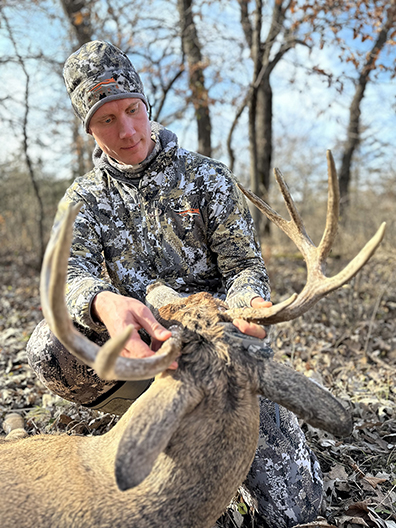
That’s kind of how it felt as I set up with my bow on the final day of the Minnesota gun season in 2023. I saw just one deer that morning, but it was a good buck moving about 75 yards away through thick cover along a river system. That piqued my interest.
On my way out that morning, I went to examine where he stood and found an opening within the cover where multiple trails converge. There was a fresh scrape. I spent about 30 minutes preparing a setup right on the river bank 10 feet high in a conifer with good background cover.
Exactly a week later I got the perfect southeast wind to hunt that spot, and at 11:30 a.m. a mature 10-pointer gave me a great shot at 12 yards. This is one of the most memorable hunts of my lifetime because it came after years of moving from tree to tree trying to find the perfect setup in this low-ground block of timber where wind swirl can be a nightmare.
Mobile hunting is not appealing, or even possible, for everyone, but consistent bowhunting success grows considerably on tough-to-hunt properties if you are willing to make some adjustments, as needed.
WWII bunkers on Pennsylvania State Game Land 252 to be destroyed
Pennsylvania’s state game lands are usually thought of as places to hunt, trap, or even fish. However, one game land
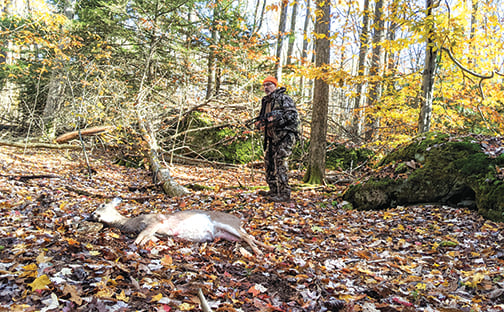
Understand edge habitat to fill more deer tags this fall
Frost clung to the hayfield, causing every stem to appear silver at first light. A hunter eased into his stand
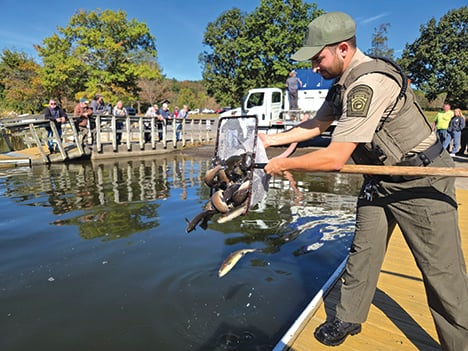
Amidst all of the hunting, don’t overlook Pennsylvania’s trout in fall
The Pennsylvania Fish & Boat Commission will be stocking roughly 130,000 adult rainbow, brown and brook trout in over 100
