




Minnesota Mixed Bag: Keep It Clean Program now accepting grant applications

St. Paul — The Minnesota Board of Water and Soil Resources is now accepting grant applications for the Keep it Clean Program, a new initiative that aims to protect Minnesota’s lakes by preventing water pollution from garbage and other waste left on the ice of state waters during winter use activities such as ice fishing.
Eligible applicants include soil and water conservation districts, watershed districts, watershed management organizations, cities, counties, townships, and joint powers organizations. The grants will support activities that help prevent pollution such as ice cleanup events and education and outreach efforts. Individual awards will range from $10,000 to $40,000.
The Keep it Clean Program is funded by a one-time, $200,000 general fund appropriation made earlier this year. Applications will be accepted through Oct. 29. Learn more about how to apply by visiting here.
MORE COVERAGE FROM MINNESOTA OUTDOOR NEWS:
Commentary: Americans loudly tell the Forest Service to not rescind the ‘Roadless Rule’
Hunt with close calls ends with a filled tag for Afton man during Minnesota’s opening elk season
Sun, heat greet hunters, but ducks were plentiful in some areas of Minnesota on opener
CISCO, WHITEFISH SPORT NETTING TO OPEN ON NORTHERN LAKES
St. Paul — Netting for harvesting ciscoes, also referred to as tullibees, and whitefish for personal use will be open this fall on designated lakes. Whitefish and cisco sport netting is open to Minnesota residents only. About 700 Minnesotans participate each year.
Netting schedules vary by lake and are based on expected water temperatures. As the water temperatures decrease, game fish head to deeper water while ciscoes and whitefish come to shallow water for fall spawning.
The Minnesota DNR allows netting when there is little chance that fish other than ciscoes and whitefish will be caught. Game fish incidentally taken in nets must be returned to the water immediately.
Complete regulations, including designated lakes, netting schedules, and requirements related to use of gear and invasive species, are available on the Minnesota DNR website.
MINNESOTA DNR TREE SEEDLING SALES OPENED OCT. 1
St. Paul — The Minnesota DNR’s State Forest Nursery opened seedling sales for spring 2026 on Wednesday, Oct. 1. Landowners across Minnesota may order native, bare-root tree seedlings for their properties. Planting trees provides many benefits, including creating wildlife habitat, protecting soil and water, and supporting a healthy forest products economy.
This year, the DNR is launching a new online ordering system to make purchasing easier and more efficient. Customers may view seedling inventory online to see exactly what’s in stock and place orders right away. Customers are encouraged to create a LoginMN account so they can track status, view order history, and pay online.
The nursery has a strong supply of oak seedlings this year. Oaks provide food and shelter for hundreds of native species; their acorns feed deer, turkeys, squirrels, and other wildlife. In addition to oaks, the nursery offers more than 20 other native coniferous and deciduous tree species. The minimum order is 300 seedlings, which can be customized in increments of 100 per species.
Seedling sales remain open through Friday, April 3, 2026, or until stock is sold out. For more information and to create a LoginMN account before sales open, visit the DNR website.
DNR PLANS HABITAT MANAGEMENT ON FLOWING WMA IN CLAY COUNTY
Detroit Lake, Minn. — The Minnesota DNR is preparing to manage grassland habitat by conducting a fall prescribed burn on part of the 1,556-acre Flowing Wildlife Management Area east of Hitterdal in Clay County.
The burn was planned to encompass approximately 560 acres on the south end of the WMA and was scheduled to happen in late September or early October, depending on weather conditions.
“The burn is the first step in a 700-plus acre grassland enhancement project that will convert old Conservation Reserve Program fields into diverse native prairie plantings,” said Rob Baden, the DNR’s Detroit Lakes area wildlife supervisor.
Much of Flowing WMA comprises grasslands dominated by non-native smooth brome. Some native grasses and forbs are present, as well as seedling cottonwood trees. The goal of the burn is to consume as much vegetation and dead thatch as possible to prepare the area for a late fall native grass and forb seeding.
SUBSCRIBER CONTENT
Read this article now.
Create a free Outdoor News account.
Create a free account below to get instant access to this article, thousands of Outdoor News stories, and our digital editions. Your 1-month trial starts the moment you sign up.
No credit card required
No credit card required
Subscriber? Login Here.
Share on Social
Hand-Picked For You
Pennsylvania Mixed Bag: Docks removed early at Lake Wallenpaupack
Pennsylvania’s hunting license sales down so far this year
Spring Garden Dam removal at Tyler State Park starts
EHD in Michigan’s deer herd concentrated to four counties so far
Michigan’s statewide fishing and hunting report on Sept. 18, 2026
Partnerships help preserve public lands, habitat for Minnesota’s prairie chickens
Related Articles
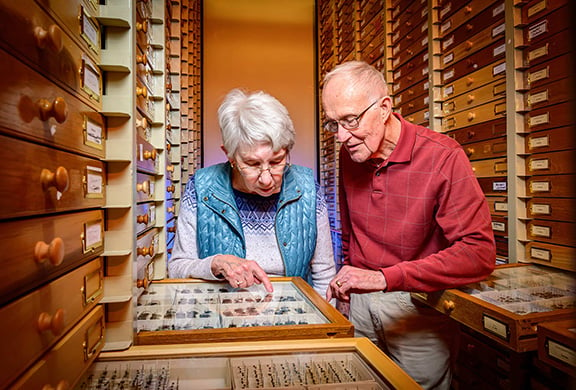
Retired couple maintains commitment to Illinois Natural History Survey’s insect collection
What began as volunteer work became something more: a family commitment to preserve one of North America’s oldest and largest
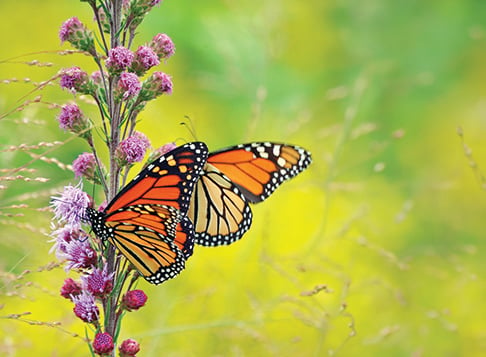
Minnesota Valley National Wildlife Refuge will celebrate 50 years
The 14,000-acre refuge protects wildlife habitat and provides outdoors recreation. It’ll host a public birthday bash on Sept. 26
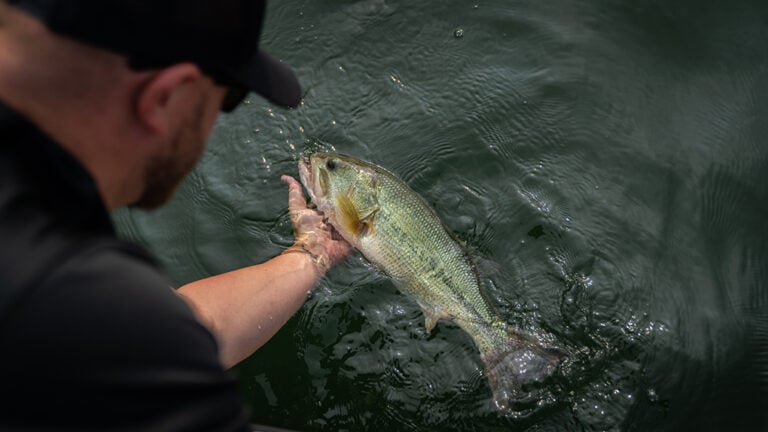
Steve Sarley: Keep or release? It should be up to the ‘catcher’
There are some words and terms that are so basic, they really don’t have to be explained. I am sure
