




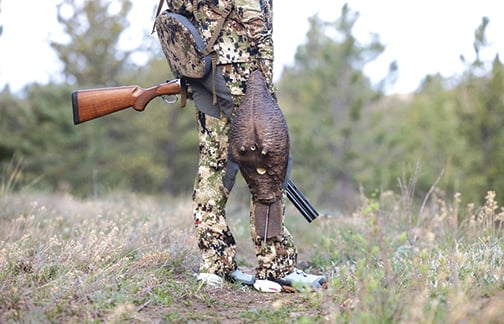
I grew up in Brainerd, Minn., in the 1980s, counting down the days until I earned my firearms safety certification, a rite of passage for kids like me. I can still hear the crack of the single-shot Stevens .22 during our field day test.
Minnesota held its first firearms safety class in 1955, created in response to hunting-related fatalities and injuries. In 1990, the legislature mandated that anyone born after December 31, 1979 complete the course before buying a hunting license.
 The program has been a great success, driving a dramatic reduction in hunting accidents.
Unfortunately, we’ve also witnessed a steep decline in hunting participation nationally. We peaked in 1982 at 16.7 million hunters and have declined ever since, aside from a pandemic-era bump.
Despite hundreds of millions of dollars spent nationally on hunter recruitment, retention, and reactivation, also known as “R3,” I don’t think we’ve dedicated enough energy to basic fundamentals like firearms safety. Ask around and you’ll hear how hard it is to find an open class. Check the Minnesota DNR’s class list today and you’ll see “FULL” next to most of them, especially in the Twin Cities. Some call that success. I call it demand outstripping supply.
There are real friction points. Today’s model still mirrors the original: built primarily for kids in a classroom, which limits access for the growing pool of so-called adult-onset hunters who want to learn. It also depends entirely on volunteer instructors, while DNR staff dedicated to the program are limited by state budgets. Anyone who’s tried to organize volunteers knows how hard that’s gotten these days as schedules fill with work and family obligations.
MORE COVERAGE FROM MINNESOTA OUTDOOR NEWS:
Mixed conditions, but more ducks greet Minnesota’s opener this Saturday
Minnesota’s 2026 elk harvest reaches nearly half of allocated tags during early season
We also live in a moment when “firearms safety” itself triggers unfortunate tribal reactions: one side questioning why we’d teach more people about guns at all, the other hearing “safety” as code for restricting rights. I believe that widening divide is a big reason we’ve avoided investing in and innovating this program. That needs to change.
We need an “R3” for firearms safety: review, reimagine, and redesign how we teach it and who we’re teaching. And we shouldn’t assume technology alone will save us; this requires rethinking the whole structure.
At the 2026 DNR Roundtable, a panel moderated by Outdoor News Managing Editor Rob Drieslein included Rep. Peter Fischer (DFL-Maplewood) and Rep. Josh Heintzeman (R-Nisswa). Both agreed more needs to be done on firearms safety, including exploring school-based programs.
Finding two legislators from opposite parties agreeing on anything these days is rare enough to notice. That common ground provides an obvious jumping-off point for solving this issue.
As John Nelson, president of the Eagan, Minn.-based USA Clay Target League, put it: “There is a trend in other states to incorporate firearms safety into the schools, and I can think of no state more deserving of a smart statewide program than Minnesota. We have more youth participants shooting in clay target leagues than any other state.”
In early 2027, Minnesota will have a new governor and a new class of legislators. Here’s hoping some of them pick up this torch and build a better system to educate and certify the people who handle firearms in our fine state.
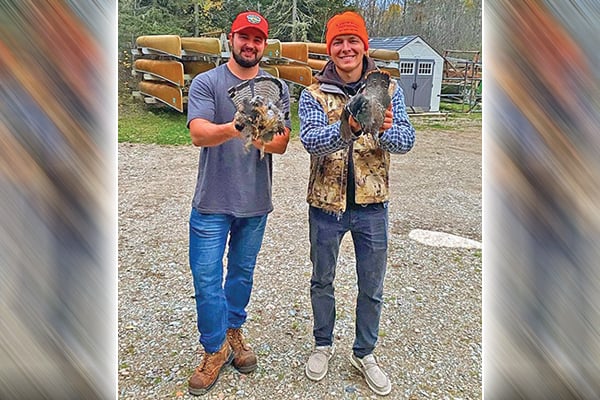
Pro Hunting Tip of the Week: Finding the right habitat key for early grouse
Here in Ely, Minn., we’re fortunate to have thousands of acres of public land and great ruffed grouse habitat right

Minnesota DNR prepares ELS for big pulse of license buyers ahead of gun hunt
The Minnesota DNR is preparing for the firearms deer firearm season to ensure the updated Electronic Licensing System can handle
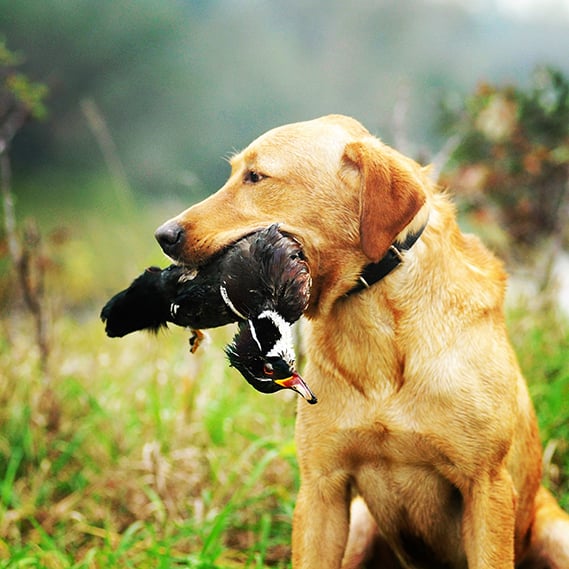
Mixed conditions, but more ducks greet Minnesota’s opener this Saturday
The traditional Minnesota duck season opens 30 minutes before sunrise this Saturday, Sept. 26, and Jerry Christopherson, of Heron Lake
