From the Pa. Department of Environmental Protection
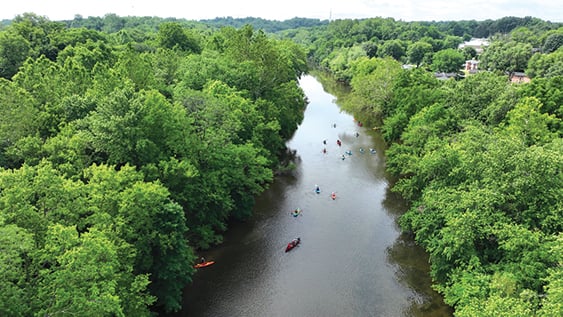
Elverson, Pa. — Pennsylvania officials highlighted watershed improvement work in Berks County along the headwaters of the East Branch of the Conestoga River on June 10.
The visit showcased work made possible in part through Department of Environmental Protection’s Countywide Action Plan Implementation Funds and recognized Chesapeake Bay Awareness Week.
The project reflects the Shapiro Administration’s investment in agricultural conservation and stream restoration, which has helped restore stream health and improve aquatic life use conditions in the Upper Conestoga watershed.
The restored stream segment at the project site reflects the 2026 Chesapeake Bay Awareness Week theme: “Built by Nature, Protected Together.”
MORE COVERAGE FROM PENNSYLVANIA OUTDOOR NEWS:
Deadly screwworm is spooking Pennsylvania’s animal officials
Lawmakers spar over Pennsylvania Game Commission employee controversies
Schuylkill River is Pennsylvania’s first National Water Trail
More than 15 miles of streams in the watershed that were previously impaired due to nutrient and sediment runoff from agricultural activity and livestock access have been delisted, meaning they have been removed from the federal impaired waters list and restored for aquatic life use.
“What’s great for Pennsylvania is good for the bay, and we know that comprehensive conservation efforts — like those on the Zeiset family farm — can lead to restored waters,” said DEP Secretary Jessica Shirley.
“Through DEP investments and targeted conservation work on the ground, we’re seeing real results — cleaner water, restored streams, and healthier ecosystems that benefit communities across the commonwealth.”
Doug and Michele Zeiset worked with DEP, Berks County Conservation District, the U.S. Department of Agriculture and others to implement a variety of conservation practices on their 170-acre dairy farm.
The work included manure storage, animal heavy use area management, prescribed grazing, and streambank fencing with stream crossings to restrict livestock access to streams.
The project was completed over a four-year period using a combination of state and federal funding sources.
“Expanding on the ‘Built by Nature’ theme, projects like this one are also being built for nature,” said Tim Schaeffer, executive director of the Fish & Boat Commission.
“Across Pennsylvania, these efforts are delivering measurable benefits for water quality and aquatic life, while strengthening the Chesapeake Bay watershed. When local water quality rebounds, fish return – making meaningful and measurable differences for anglers, Pennsylvania waters, and the bay as a whole.”
The Upper Conestoga River watershed – including the headwaters, East and West branches, and associated tributaries – was previously on DEP’s impaired waters list because it did not meet aquatic life designated use for warm water fishes due to nutrient and sediment pollution.
Agriculture was identified as a primary source of pollution.. A 2005 total maximum daily load, or pollution diet, identified phosphorus as a key stressor.
Since then, agricultural best management practices have been implemented throughout the watershed. Combined with updated DEP water-quality monitoring, approximately 15 miles of the stream were delisted (removed from the impaired waters list) in Pennsylvania’s 2024 Integrated Water Quality Report.