




Home » Home Page News » Wisconsin’s Ridglan Farms beagle facility decides to shut down Blue Mounds operation
Wisconsin’s Ridglan Farms beagle facility decides to shut down Blue Mounds operation
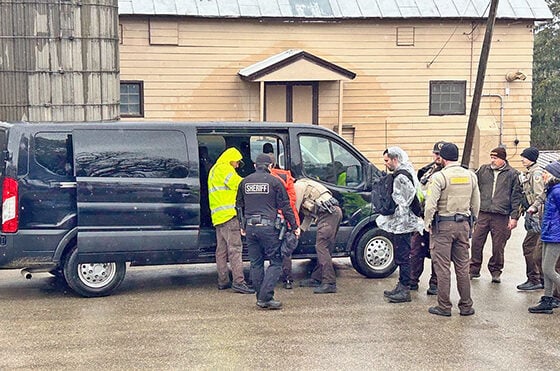
Blue Mounds, Wis. — Ridglan Farms, the beleaguered dog breeder and scientific research facility that has been the target of relentless opposition from animal activists, will sell and donate all its remaining beagles, the company announced June 15.
“Ridglan Farms recently reached an agreement to sell 325 additional dogs to Big Dog Ranch,” the company said in a press release. “Those animals will be transferred this week. Additionally, Ridglan Farms agreed to donate all the remaining dogs it owns to Big Dog Ranch before the end of August.”
“These are all happy, healthy animals, as demonstrated by extensive USDA inspection documentation and also the most recent DATCP inspection which occurred just a few weeks ago. DATCP officials identified no animal care issues whatsoever during a May 11 visit,” Ridglan’s statement said. “We hope these dogs will continue to flourish in their new homes.”
Established in 1966, Ridglan has operated as a biomedical and veterinary medicine company for 60 years. It has relinquished more than 1,000 dogs in recent months following a string of protests, break-ins, threats, thefts and mounting public, legal, and political pressure.
Jim Newman, of K Harvey Brand Partners, which works with Ridglan Farms, said the company would not answer any questions about the exact number of dogs released, or what will happen to the facility now that the dogs are gone.
MORE COVERAGE FROM WISCONSIN OUTDOOR NEWS:
Wisconsin warden recalls tragic day afield when Chai Vang killed six Wisconsin hunters in 2004
Wisconsin DNR shares 2026 spring wild turkey season results
A plan that came together on what turned out to be my final turkey hunt
While activists have tried for the better part of a decade to shut down the operation, their efforts reached a critical mass this spring when thousands of people from across the country descended on the small, rural town of Blue Mounds, breaking into Ridglan Farms, stealing animals, jamming 911 lines, bashing locks, blocking roadways and prompting a response from 17 law enforcement agencies for one “peaceful protest” that descended into a chaotic riot in April.
The activists, who have drummed up extensive support from people across the country, call their efforts “open rescues” and say they are saving the dogs from a cruel fate.
In their most recent statement, Ridglan, asked that their opponents de-escalate the conflict.
“Now that transfer plans have been finalized for the rest of Ridglan Farms’ dogs, we ask that the years-long harassment campaign targeting the research facility’s owners, staff, and neighbors comes to an end,” the company said. “We also hope Wisconsin’s legal system will hold accountable the individuals who organized and carried out the repeated violent assaults and thefts that have recently taken place at our facility.”
A trial has been scheduled to begin Sept. 28 in the case of four activists who allegedly participated in a “viral open rescue” in March, at which 22 dogs were taken from Ridglan Farms. Each defendant faces four felonies, including burglary, theft, attempted theft, and criminal damage to property, and up to 31 years in prison.
“We look forward to this trial, where Ridglan’s cruelty and the alleged rescuers’ compassion will be on full display before the jury and the public,” said Chris Carraway, staff attorney at the Animal Activist Legal Defense Project at the University of Denver Sturm College of Law. “We are confident a jury will find that animal cruelty was the crime here – and compassion commendable.”
The Dane County Sheriff’s Department reported making 25 arrests during a second break-in on Saturday, March 14, roughly a month after 20 people were arrested during a similar protest in February. Dane County Sheriff Kalvin Barrett said it was clear from the start that it “was not going to be a peaceful protest.”
Despite the fact that many protestors, some of whom also have a history of “rescuing” chickens and other animals from farms, were jailed and charged for an assortment of crimes, it appears their efforts played a key role in achieving their goal of ending most of Ridglan’s operations.
On April 30, Amy Good, director of development and marketing for the Dane County Humane Society (DCHS), announced that Ridglan had agreed to transfer 1,500 dogs to the Center for a Humane Economy and Big Dog Ranch Rescue.
On June 2, Good said DCHS was “partnering with several animal welfare groups and rescues to care and place 135 beagles being released from Ridglan Farms, a breeding facility in Blue Mounds, Wis.”
“This release follows Ridglan Farms’ transfer of ownership of 1,500 dogs to the Center for a Humane Economy and Big Dog Ranch Rescue last month,” Good said.
People at Ridglan have maintained from the start that their dogs were well cared for, and that their research was vital and lifesaving, working toward cures and treatments for cancer and other diseases.
In 2025, a Dane County judge ordered that a special prosecutor be appointed to investigate allegations of animal cruelty occurring at Ridglan. Circuit Judge Rhonda Landford issued her order after listening to testimony from animal rights activists and attorneys at an all-day hearing on
Oct. 23 the prior year.
The petition that prompted Landford to move forward with a special prosecutor was brought by Madison-based Alliance for Animals, Dane4Dogs and activist Wayne Hsiung.
“Based on this evidence, the Court finds probable cause that Ridglan, through its employees, committed a felony violation of the animal cruelty statutes by having caused ‘unnecessary and excessive pain or suffering’ through practices that were not within ‘normal and accepted veterinary practices,’” Lanford wrote.
The court order quoted witness testimony alleging that Ridglan employees, non-licensed veterinarians, surgically removed “cherry eye,” a prolapsed gland in the third eyelid.
According to the USDA’s guidelines, employees who perform various medical procedures on dogs do not need to be licensed vets, but to need to have “appropriate guidance and training.”
“Ensure that they have appropriate guidance and provide training to personnel who are performing any kind of immobilization, anesthesia, analgesia, tranquilization, euthanasia, or other veterinary medical procedures,” reads the USDA’s Licensee and Registrant Responsibilities: Providing Adequate Veterinary Care, which was last updated in January. “It is up to the attending veterinarian to make determinations regarding which, if any, veterinary medical procedures may be conducted by facility personnel. If the attending veterinarian determines that it is appropriate, they should also be providing detailed guidance on any procedures they approve. This guidance is typically documented in the written program of veterinary care. Note: It is not a requirement for facilities to be able to use or have access to anesthesia or tranquilizers. In fact, most facilities do not have the use of these medications without having a veterinarian present.”
Ridglan is inspected by the United States Department of Agriculture and accredited by the American Association for Accreditation of Laboratory Animal Care, but the business agreed in 2025 to surrender its DATCP breeding license by
July 1, 2026, although it planned to continue conducting medical research there.
Earlier this year, opponents of Ridglan sent a letter urging Dane County District Attorney Ismael Ozanne to take action to rescue beagles from Ridglan Farms. It was signed by 117 Wisconsin humane societies and animal rescues.
Following the spring break-ins, two Utah women who participated in the April 18 “rescue” mission at Ridglan Farms filed suit against Dane County officials and the dog breeding facility’s owners alleging that they were subjected to excessive force.
According to a complaint filed April 23 in federal court in Madison, plaintiffs Joanna Baird and Linda Gregersen were among the hundreds of individuals who appeared at Ridglan on April 18 “to save some 2,000 beagles there.” They were met with law enforcement and a manure-filled trench, into which some activists fell and for which Ridglan was later ticketed for violating a manure disposal rule. Baird and Linda Gregersen’s excessive force suit was later dismissed.
The Washington, D.C.-based non-profit Center for a Humane Economy said it received information “from sources at Ridglan Farms” that it will cease operations after it releases 475 more dogs for placement in homes.
Joseph Goode, a Milwaukee-based attorney representing the Center for a Humane Economy, said Eric McLeod, an attorney for Ridglan, told him in early June that the business would be “winding down” its operations following the transfer of the remaining dogs.
Wayne Pacelle, president of the Center for a Humane Economy, said he heard from two Ridglan employees that the work of animal advocates “has driven us out of business.”
SUBSCRIBER CONTENT
Read this article now.
Create a free Outdoor News account.
Create a free account below to get instant access to this article, thousands of Outdoor News stories, and our digital editions. Your 1-month trial starts the moment you sign up.
No credit card required
No credit card required
Subscriber? Login Here.
Share on Social
- Tags: Wisconsin
Hand-Picked For You
Pennsylvania’s hunting license sales down so far this year
Origin of road-killed armadillo in southwest Ohio a mystery
South Dakota Fishing Report – September 16, 2026 – video
Bowhunt gets started in Ohio with additional opportunity in CWD surveillance area
Ohio’s statewide fishing and hunting report on Sept. 17, 2026
Niagara Falls (N.Y.) Fishing Report – September 15, 2026
Related Articles

Pennsylvania’s hunting license sales down so far this year
Hunting license sales are down nearly 4.5% at the end of August, although Pennsylvania Game Commission officials believe there is
Origin of road-killed armadillo in southwest Ohio a mystery
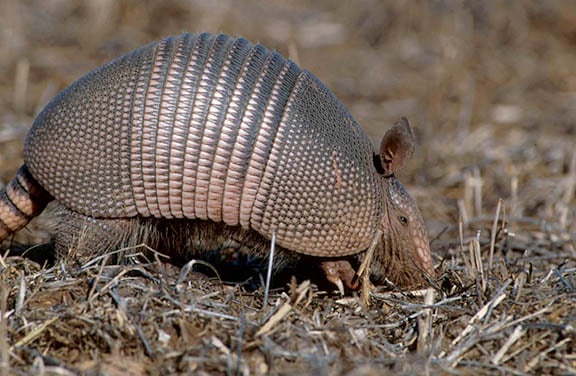
An armadillo found as roadkill in southwest Ohio has researchers scratching their collective heads wondering from where the non-native mammal
Bowhunt gets started in Ohio with additional opportunity in CWD surveillance area
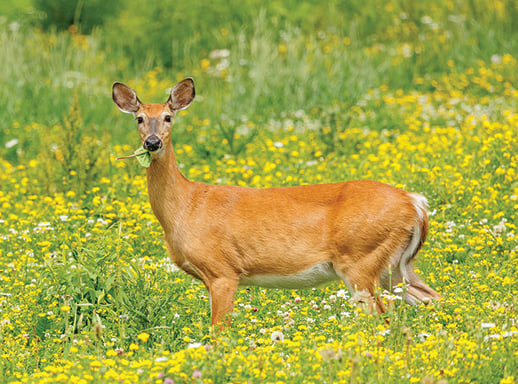
Hunters in Ohio’s chronic wasting disease (CWD) surveillance area have additional dates this season to pursue white-tailed deer. The Ohio
