When Congress voted last month to overturn the 20-year minerals withdrawal conserving the headwaters of the Boundary Waters Canoe Area Wilderness, hunters and anglers across the country took notice – and not just because the vote threatened the Boundary Waters, an iconic destination for fishing, hunting, paddling, and camping. It also set a dangerous precedent.
At the time, many of us warned that misusing the Congressional Review Act in this way would not stop in northern Minnesota. It was plain that once politicians realized they could use this blunt-force tool to eliminate long-standing public lands protections and management plans, more targets quickly would emerge.
Now we’re seeing exactly that scenario come to pass.
Sen. Mike Lee and Rep. Celeste Maloy are pushing Congress to overturn the management plan for Grand Staircase-Escalante National Monument in southern Utah using the same Congressional Review Act process. Congress could vote on the measure immediately upon returning from recess in early June.
Sportsmen and women in the Midwest and Northeast might ask what a Utah monument has to do with them. The answer is simple: Everything.
If this effort succeeds, Grand Staircase-Escalante will not be the last monument in the crosshairs. It will be the first domino to fall.
MORE COVERAGE FROM MINNESOTA OUTDOOR NEWS:
Spring wildfires reshaping northern Minnesota forest habitats
Minnesota DNR, license agents prepare for June 9 launch of electronic licensing system
Southern Minnesota fawn study enters its final year
Once Congress establishes that national monument management plans can be erased with the stroke of a pen, places all across the country become vulnerable… especially public lands and waters rich in wildlife, hunting and fishing opportunity, and natural resources that some politicians and industrial interests see as available for development.
We’ve seen this play out already.
During the first Trump administration, an organized effort was made – fortunately unsuccessful – to diminish or eliminate numerous national monuments, including places valued by hunters and anglers that provide important fish and wildlife habitat, like Organ Mountains-Desert Peaks in New Mexico and Upper Missouri River Breaks in Montana.
These aren’t abstract political battlegrounds. They are places that provide unparalleled fish and wildlife habitat and opportunities to hunt, fish, camp, float and explore.
The Upper Missouri River Breaks is close to home for me and readers of this publication. I go there to upland hunt and fish. One memorable day, I caught a 93-pound paddlefish there. I know firsthand what this region means to hunters, anglers and local communities – and what it represents to future generations. Once places like the Breaks are fragmented by roads, drilling, mining and industrial development, you can’t just put them back together again.
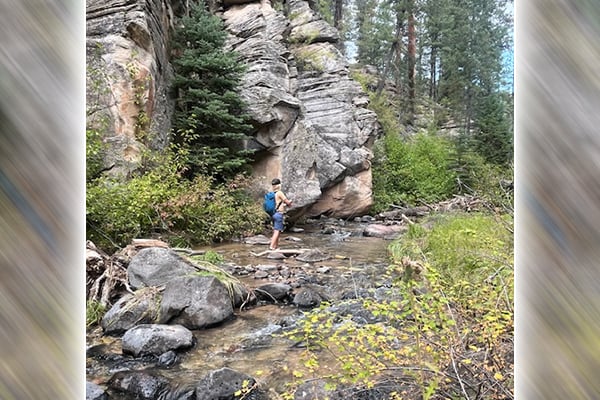
I’ve also spent time in Grand Staircase-Escalante National Monument, one of the most unique public landscapes in the country – not only for recreationists, but also for wildlife.
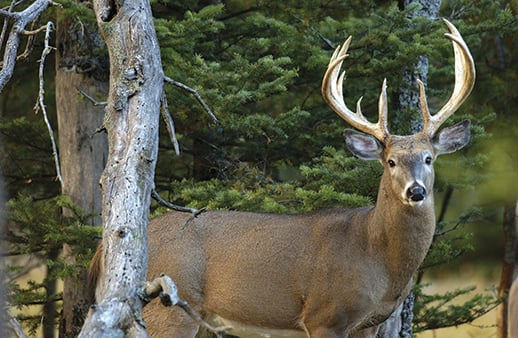
The monument supports mule deer, black bears, and a robust population of desert bighorn sheep across a vast, rugged landscape that still feels indisputably wild.
The communities surrounding Grand Staircase depend on it, too. Local outfitters, guides, restaurants, hotels and small businesses rely on hunters, anglers, hikers and visitors who come to experience the monument.
That’s what makes this debate a nonstarter. We’re repeatedly told we must choose between conserving public lands and supporting local economies by opening them to development. In reality, places like Grand Staircase and the Breaks prove the opposite is true.
Public lands are economic engines. More importantly, they are part of our American inheritance.
The Congressional Review Act was never intended as a mechanism for dismantling public lands protections. However, that’s exactly how it’s being used.
First the Boundary Waters.
Now Grand Staircase-Escalante. What’s next?
You should take that question seriously, whether you live in Utah, Minnesota, Montana, Michigan, Wisconsin, or New York, because once politicians start treating public lands protections as temporary and disposable, no place is safe.
Congress will return from recess on June 1, and this resolution could move quickly.
Contact your senators and representatives now and urge them to oppose efforts to misuse the Congressional Review Act to undermine our public lands and waters.
If we don’t stop this now, we won’t like what comes next.
Land Tawney is co-chair of American Hunters and Anglers. He lives in western Montana with his family.






1 thought on “Commentary: After Boundary Waters vote, no public lands are off-limits”
THIS ADMINISTRATION SURE PUTS A PRICE ON EVERYTHING TO COLLECT ALL THE MONEY THEY CAN SQUEEZE OUT OF EVERYONE. WE THE PEOPLE ARE LIMITED TO THE SIMPLER THINGS IN LIFE LIKE OUR OUTDOOR ADVENTURES, CAMPING, FISHING, HUNTING, TRACKING, AND ENJOYING THE OUTDOORS ITS FREE AIR AND SKYS.