




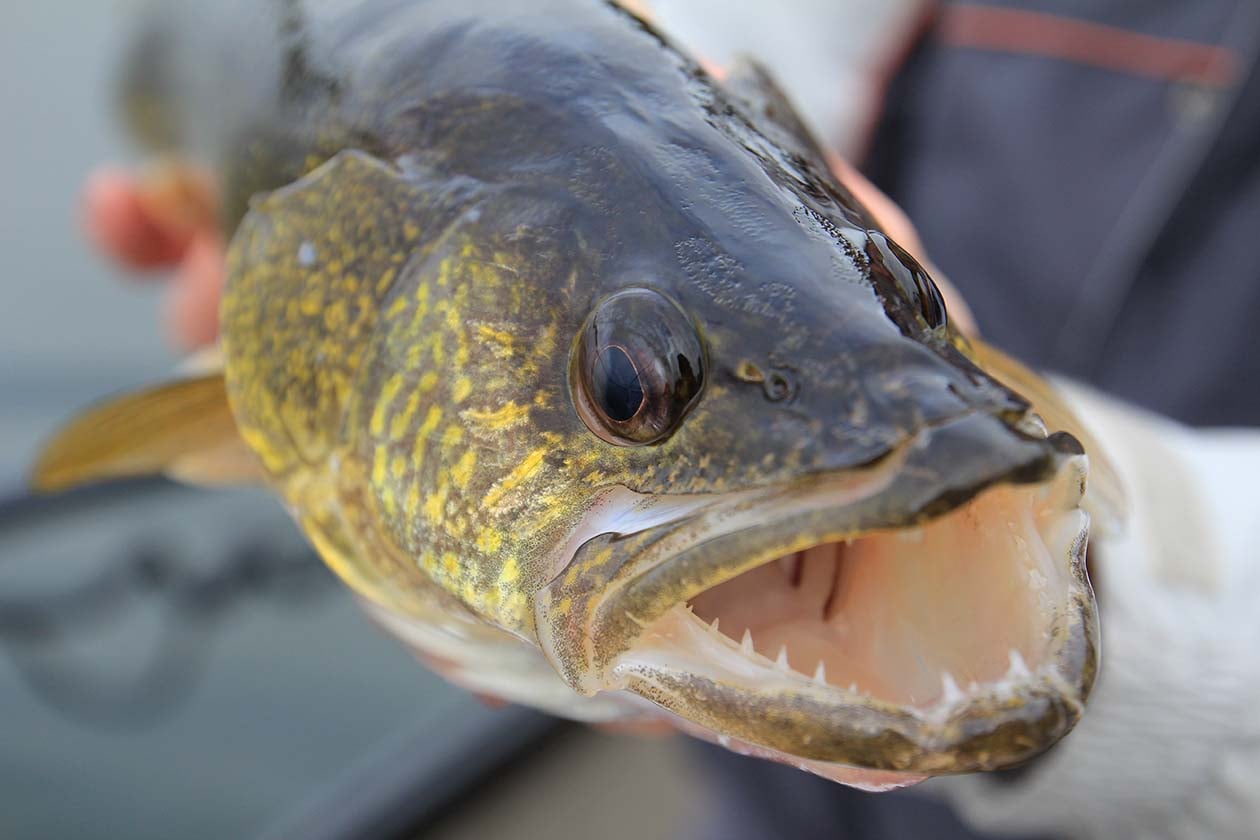
South Dakota wildlife officials denied a public petition to reduce early-season walleye limits on a stretch of the Missouri River, citing fisheries data indicating a healthy population.
Wes Chmela of Oacoma asked officials to shut down or lower the daily walleye limit from four fish to two fish during January, February, and March on upper Lake Francis Case. In his written petition, he also proposed either catch-and-release-only fishing or tighter size restrictions for that period on the stretch from the Platte-Winner bridge to Fort Thompson.
 “I’m a resident and avid fisherman who has steadily seen it become increasingly harder to enjoy upper Lake Francis Case,” he wrote.
Chmela told commissioners that spring fishing pressure has increased in recent years, especially in February and March, as warmer weather and early boat-ramp access draw anglers to the Chamberlain-Oacoma area. He said that fish concentrated in wintering areas are easier to catch and that heavy early harvest may be reducing opportunities later in the spring and early summer.
“I sell products out of convenience stores. I’m not wanting to see a loss in revenue in the towns that rely on it,” he wrote. “What I would like to see is it be there for more people to enjoy later into the year.”
GF&P fisheries staff said the current data do not indicate a need for a regulatory change. A fisheries biologist in Chamberlain said fall surveys showed Lake Francis Case’s walleye abundance was slightly above its seven-year average.
Staff described the Chamberlain area as an early fishing destination for so many, particularly because of its location along Interstate 90.
Officials voted 7-1 to deny the petition. Commissioner Julie Bartling voted in favor of advancing it.
FISHING FEATURES FROM OUTDOOR NEWS:
Spring’s first bite: unlocking ice-out crappie patterns
Steve Carney: Keys to incredible April walleye fishing on the Missouri River
Fish the ‘pocket’ water: Where overlooked runs hold big trout potential
Drought persists in Missouri River basin
The Missouri River basin is in its fourth year of drought. Federal officials recently said in Sioux City at a separate meeting that it could affect recreation in the upper-basin states.
The Missouri River basin includes about 530,000 square miles of land that drain into the river in multiple states, including South Dakota, as well as Canada.
U.S. Army Corps of Engineers officials presented data at a public meeting showing that 83% of the basin is abnormally dry and 63% is in drought, and said drought conditions are likely to persist. Hydropower generation from dams on the river this year is expected to be roughly 20% below average due to low water levels.
But South Dakota boaters should still find solid access this summer, according to Pat Buscher, Game, Fish and Parks regional park supervisor for the Missouri River.
He said Lake Oahe – the state’s “main reservoir” along the river – is expected to drop modestly through the summer (about a 2-foot decline). He said 16 to 17 of about 20 recreation and boating access areas on Lake Oahe will remain functional.
“With that being said, I will say, depending on where we go with our forecast,” Buscher said, “those numbers could decline slightly.
State-owned shooting range update
South Dakota’s new state-owned shooting range has drawn as many visitors in five months as officials anticipated for its entire first year, according to an update from state staff.
Game, Fish, and Parks project lead, John Kanta, said the Pete Lien & Sons Shooting Sports Complex has logged more than 30,000 total visits since opening in early November.
“We punched some numbers based on population and visitation,” Kanta said. “And our best guest was, annually, we would see 30,000 visitations, and so, we’re there in five months of operation.”
The shooting range is built on about 400 acres, roughly 15 miles north of Rapid City and 25 miles southeast of Sturgis. It includes areas for long-range shooting, clay target shooting, and tactical training. State officials say it will host national shooting competitions.
Kanta said the complex has also sold around 700 memberships and brought in more than $100,000 in total sales. Officials said shooting competitions are filling the calendar, with some events expected to draw hundreds of shooters. Additionally, they said law enforcement agencies regularly use the site for training.
The rising use also means more help likely will be needed, according to Wildlife Division Director Tom Kirschenmann. Asked whether staffing will have to grow during the warmer months, “The simple answer is yes,” he said.
The strong early turnout comes after years of scrutiny over the project’s funding and development. Game, Fish and Parks opted not to use federal money for the shooting range to avoid additional site surveys, and former Gov. Kristi Noem directed $13.5 million in governor-controlled Future Fund money to the project after lawmakers declined to fund it multiple times.
Some Democrats also raised concerns that gun-industry companies and groups contributed $2 million toward construction, and whether that would give the industry leverage over the department.
The facility’s summer hours run from 8:30 a.m. to 7:30 p.m. from May through August.
GF&Ps lifts no-wake zone on McCook Lake
Game, Fish and Parks announced early this month that the no-wake restriction had been lifted from McCook Lake in Union County.
The no-wake restriction was put in place when the lake reopened to boating, as there was still construction being completed on and around the water body.
Lake users are reminded to be aware that potential hazards may exist. While much of the silt and debris was removed during construction, there is always the possibility that some underwater hazards may still be present.
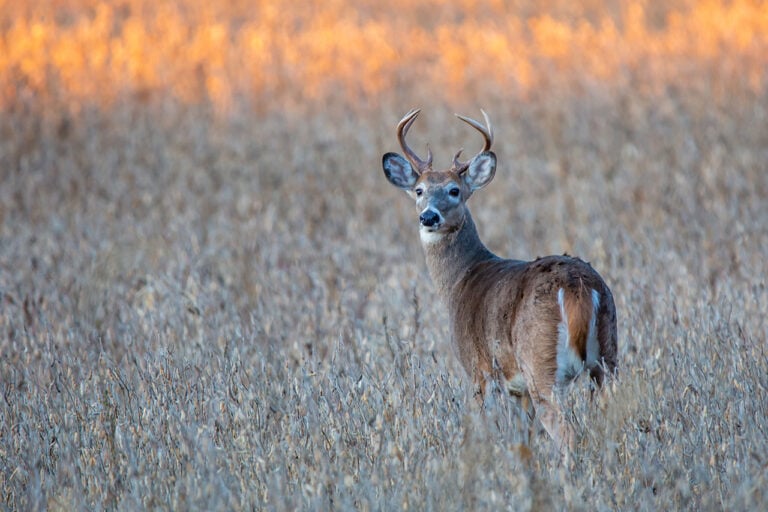
Way less land for hunting spurs action from Pennsylvania Game Commission
The Pennsylvania Game Commission has overhauled its Hunter Access Program this year in an effort to boost declining landowner participation
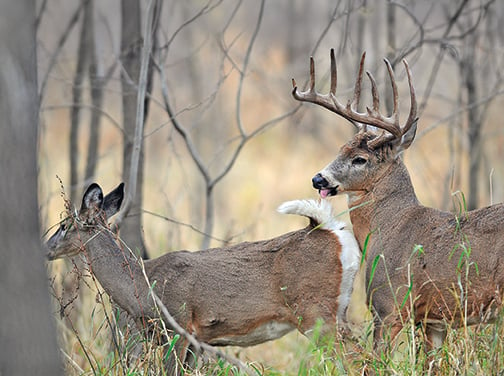
Where do big bucks go when they vanish?
Over the course of our three-months-plus bowhunting season, seeing just one wall-hanger buck can be cause for celebration. Trophy proportioned
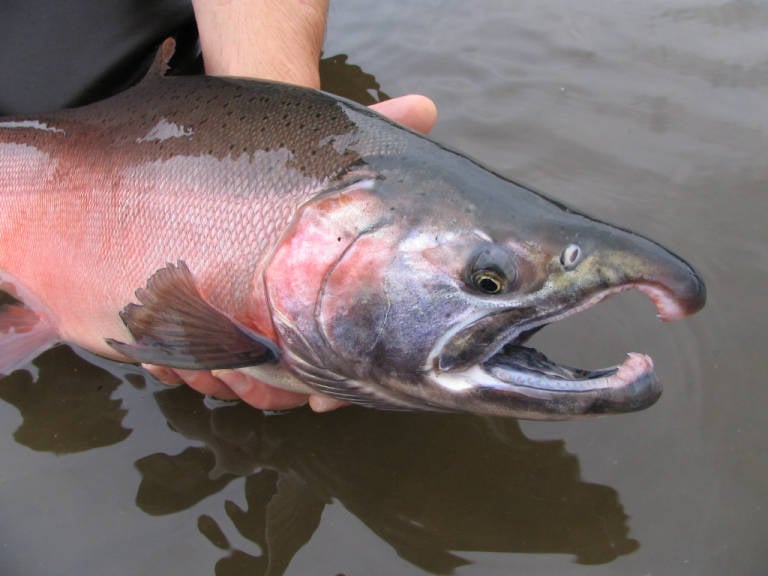
WI Daily Update: Tips for catching cohos on river mouths of Superior
This is a great time of year to chase coho salmon on the river mouths on Lake Superior. Tim Lesmeister
