





A lot of folks end up with puppies in the springtime. Most of those pups turn out just fine, but it’s almost impossible to find a dog that doesn’t have a few quirks. This goes for chihuahuas that will never set foot on non-manicured lawns, as well as pointers and flushers destined for the wilds.
That latter category of dogs needs to be able to handle their jobs in a variety of environments. If they can’t, or they can’t handle some component of their job title because of something that happened when they were 8 weeks old, then you’re in trouble.
Following are three common issues that can spring up, and how to avoid them.
Delayed training
It’s less common now than it was maybe 10 or 20 years ago, but some people still believe puppies aren’t ready to learn. The idea that they can be trained only after some arbitrary age, like six months, is prevalent enough that it needs to be addressed.
The truth is, canines are sponges right out of the gate. They learn behaviors from their mothers, their littermates, and whomever has influence on them from the moment they are born. They are absolutely primed to learn by the 8-week mark, which is when most of them end up at their forever homes.
MORE DOG COVERAGE FROM OUTDOOR NEWS:
Steve Piatt: The life of a Labrador centers around a routine
Don’t make these mistakes when socializing your new puppy
Avoid these mistakes that trainers often make with new hunting dogs
Missing the first month, or more, on the premise that it can’t be trained yet is a big mistake. The most formative time for a puppy’s course to be set is the window that follows its arrival at your house. While it won’t be ready for double-blind retrieves, it will be ready for a little treat training on the basics.
Get started on Day 1, and then don’t stop.
H2-oh!
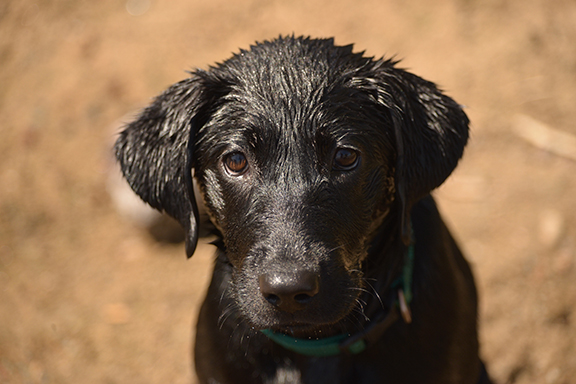
If you have a bird-dog puppy that will end up in the water at some point, whether it’s destined to be a duck dog or an uplander, be careful around water.
While it’s fun to watch a 3-month-old pup try to figure out the waves washing on shore at your local lake, it’s much less fun to watch him fall off the dock or your pontoon into cold water.
Even the most water-friendly dogs, including Labs, can develop a real aversion to swimming. That’s not an ideal scenario for hunting, but also, life with a dog in general.
Some dogs get over their fear of swimming after an accidental, chilly dunking, but some don’t.
Some that do will enter water only a certain way, which can keep your duck dog from ever jumping from your boat or from a blind. Be careful around water, because one slip-up can alter the trajectory of your dog’s life in a negative way.
Bang, bang, bye-bye
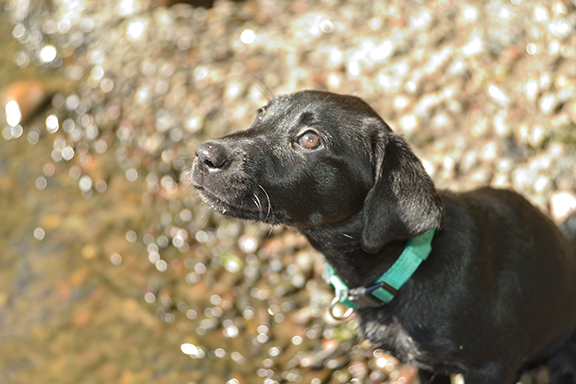
A gun-shy dog is heavy lift for the best trainers out there.
For the average bird-dog owner who might train only half a dozen dogs in his entire life, it’s almost a total lost cause. There are programs out there, and training methods, which promise to cure dogs of gun-shyness, but they are far from a sure thing.
Now, most people would never bring a puppy to the shooting range and tie him to a bench while a bunch of dudes burn through a couple cases of brass with their AR-15s. While you should be extremely careful with gunfire in any form around a puppy, there are a lot of noises that sound close enough to a gunshot to elicit a similar response.
Fireworks and thunderstorms rank high on the list. Any super-loud noise can be trouble, and so you want to be extra cognizant of where you take your puppy and to what it is exposed. If there is a chance you’ll be around surprising, extremely loud noises, just don’t do it.
The thing here is that you can get away with a lot when it comes to certain dogs. Some puppies will shrug off a nearby celebration that features heavy fireworks, but you won’t know until you try.
And if you do, and it doesn’t go well, your dog might be relegated to a life of couch surfing and not rooster flushing. Don’t risk it.
Ralph Loos: Illinois Outdoor Hall of Fame class has common interest: being useful
You could make a pretty long list of reasons why people get involved in outdoor conservation. Some love hunting. Some
Mixed bag of success as many Minnesota hunters face a wet waterfowl opener
It felt like a “ducky day” in Minnesota for Saturday’s waterfowl opener.
Many hunters shot through rain and strong
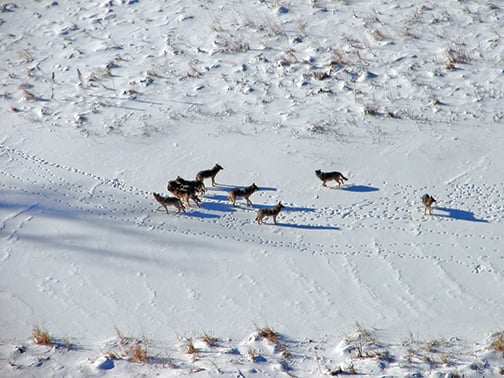
Minnesota’s wolf population remains stable, DNR considers new monitoring
Minnesota’s wolf population remained statistically stable within confidence intervals from 2025 across nearly 26,000 square miles of wolf range, but
