






Dan Small Outdoors Radio: Show 2142
Ruffed grouse hunters report an average season so far, and woodcock hunters are finding lots of flight birds in northern
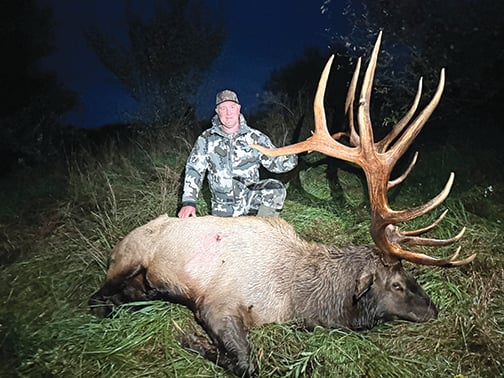
Pennsylvania’s archery elk hunters do better than in previous years
Twenty-two lucky hunters drew tags for Pennsylvania’s archery elk season Sept. 12-27, which included three Sundays for the first time.

Pennsylvania Mixed Bag: Allegheny National Forest, U.S. Forest Service donate firetruck
The U.S. Forest Service recently strengthened community safety and local partnerships through the donation of a fire engine from the
