




Mastering turkey hunting’s game of ‘let’s find each other’
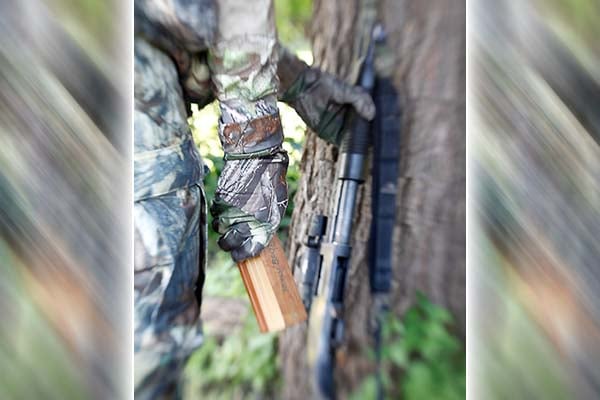
You call and a gobble rings out. Quite a ways out, maybe 200 yards.
If you sit down right there and keep calling, there is a chance that tom will come all the way to you. But there is a much greater chance that you’ll still be sitting there when the sun goes down, all by yourself.
This season, consider trying my favorite turkey-hunting game, called “let’s find each other.”
You call and get a gobble back, but he’s out there a ways.
Assuming you can use terrain features and other cover, the first move is easy: slide up noticeably closer to him. Cut the distance and move off to one side or the other, so he can tell for sure you’re in a different place. Lean up against the back side of a tree trunk, to block his view of you, and call to him again.
If he answers but he’s farther away, there’s a good chance hens are taking him from you and you are in for hair-pulling frustration. If he answers from about the same place but takes his sweet time about it, there’s a good chance he’s surrounded by girl turkeys.
No big deal, but you’re probably going to have to get close to do business with the flock. If he hammers right back and it sounds crisp and sharp, that’s the best news you can get.
No matter what, the game is on.
Call to him again. Get another gobble. Wait a minute or so to see if he gobbles on his own. If he does, and it’s closer, the game is really on!
This next part is pure personal experience, and in no way am I telling you to do it. If you want, you can sit down against the base of a tree right there, get settled, and hope he comes in.
If you decide to play, “let’s find each other,” here’s how it goes. It gets so good that it becomes a major test of composure, because you bring out a bravado in approaching gobblers that raises every hair on your arms and back of your neck. If you think you have experienced turkey mating season, this will be your first trip to the center of the sun.
MORE TURKEY COVERAGE FROM OUTDOOR NEWS:
Can curiosity kill a reluctant gobbler?
Bobcat takes swipe at Wisconsin turkey hunter who catches it all on video
Wisconsin 3-year-old fires shot while turkey hunting, wounds two people
Remain standing
In this game, nobody sits down. You remain standing, always choosing a kill spot at which to stand – somewhere an advancing turkey would be willing to approach.
Make sure you can see well, so you have decent shooting lanes. Slide up and stand against the back side of a good tree, so that much of you is hidden from view but by edging your eyes to the side of the tree, you can see in the direction the gobbler is most likely to come.
If you’re using a mouth call, keep both hands on your gun but keep the barrel pointing down at the ground. Keep your arms, neck and shoulders relaxed. After the gobbler gets close, or you lose track of him, this relaxed stance lets you stand there for as long as it takes.
If you’re using a friction call, remain more directly behind the tree, relative to the direction you think the gobbler is coming from. Rest the gun securely against the tree, take out the call and keep telling the tom you love him.
By reading the gobbles and listening for drumming and walking, you’ll know when to put the call away and reach, very easy, for the gun.
It’s safe
Before you bury me in hate mail about how this sounds unsafe, let me argue that standing up is extremely safe.
You can see through the brush much better than when sitting down, and your ability to hear what’s going on around you is excellent. If another hunter approaches your calling station, you’ll be able to see him or her more easily than if you are sitting down, and let your presence be known in a clear voice.
We are not calling as we walk from one spot to the next; we call only after stopping.
The essence
The essence of “let’s find each other” is that you remain mobile and drift generally toward the gobbling turkey (or flock), always using cover and land features to remain hidden. This often results in drifting side to side rather than directly at the turkey, which only adds to the realism.
When you get a gobbler going, use each gobble as an ongoing read on what gets him excited and keeps his attention. Pay attention and you’ll know what type of calling turns this bird on, right now.
It’s exactly like muskie fishing, in that you have to keep moving a lure in ways that excite the fish, and stop doing what causes the fish to lose interest. Hook the gobbler and keep him tight. If you let up on the gas, he’ll find something else to do.
Every situation is different, and you can get remarkably close if the cover and/or terrain allow, but there comes a point (you’ll know it at the time) when you shouldn’t walk toward him anymore. When you and this gobbler are inside each other’s zone of connection, contrary to what you often hear, it’s no time to soft-talk the bird.
Continue to sound excited to be with him. You can tone it down in volume, but as long as he likes it, keep the enthusiasm and energy at a high level. Put your eyes in super-scan mode but keep your head as motionless as possible.
This is the most exciting time and place in turkey hunting. The gobbling is so hot and loud that it makes you jump, even when you know it’s coming. The drumming is so distinct that it has become my favorite turkey sound of all. You can often hear his wings dragging the ground as he struts. If you’re close enough, you’ll be able to clearly notice when the wing dragging speeds up as the gobbler rushes forward in full strut.
Then there he is, almost glowing bright red up and down the neck, crystal white on top of the head, snood hanging a mile down, limp and relaxed, the bird often tipping back and forth as he comes. If he has come this far and responded this well to what he is convinced is a real hen, he’s usually high on hormones and not as likely to notice you standing there.
Because you just can’t predict when he’s going to decide to stand behind a clump of brush and eye things over, don’t raise your gun until it’s time to shoot. Until then, leave the gun at your side, barrel pointing down but both hands on it.
If he won’t look away – they know precisely where calling is coming from and often fixate on that spot – wait until he’s about 15 yards or so and then smoothly come up and shoot. Doing it smoothly but easily, I have not had the bird come unglued and flush, although it could happen.
Because he’s so worked up, I have seen numerous cases where the gobbler spins far enough while in strut for his tailfeathers to obscure his view of me, and that’s when I come up with the gun. When he comes back around, I’m already on him and it’s over.
And that’s what it’s like at the center of the sun of turkey hunting.
SUBSCRIBER CONTENT
Read this article now.
Create a free Outdoor News account.
Create a free account below to get instant access to this article, thousands of Outdoor News stories, and our digital editions. Your 1-month trial starts the moment you sign up.
No credit card required
No credit card required
Subscriber? Login Here.
Share on Social
Hand-Picked For You
Pennsylvania’s hunting license sales down so far this year
Origin of road-killed armadillo in southwest Ohio a mystery
South Dakota Fishing Report – September 16, 2026 – video
Bowhunt gets started in Ohio with additional opportunity in CWD surveillance area
Ohio’s statewide fishing and hunting report on Sept. 17, 2026
Niagara Falls (N.Y.) Fishing Report – September 15, 2026
Related Articles
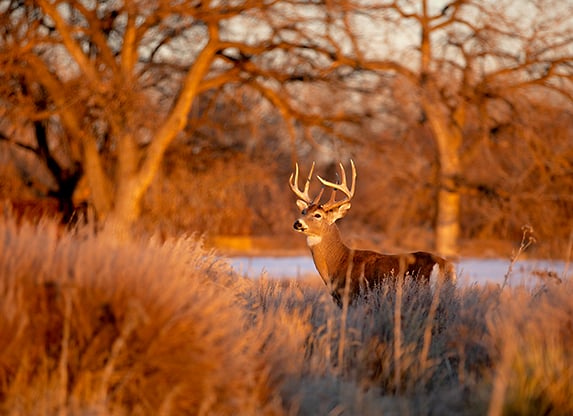
Pennsylvania’s hunting license sales down so far this year
Hunting license sales are down nearly 4.5% at the end of August, although Pennsylvania Game Commission officials believe there is
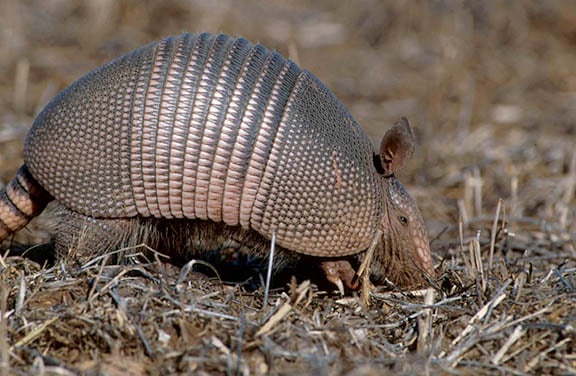
Origin of road-killed armadillo in southwest Ohio a mystery
An armadillo found as roadkill in southwest Ohio has researchers scratching their collective heads wondering from where the non-native mammal
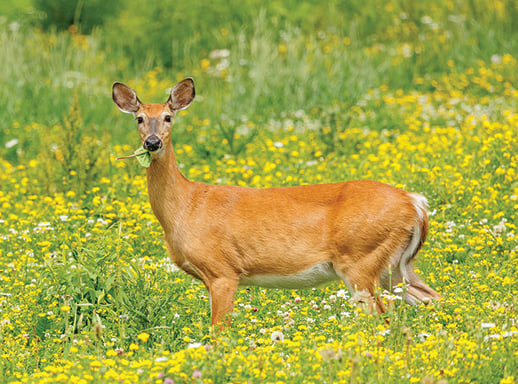
Bowhunt gets started in Ohio with additional opportunity in CWD surveillance area
Hunters in Ohio’s chronic wasting disease (CWD) surveillance area have additional dates this season to pursue white-tailed deer. The Ohio
