





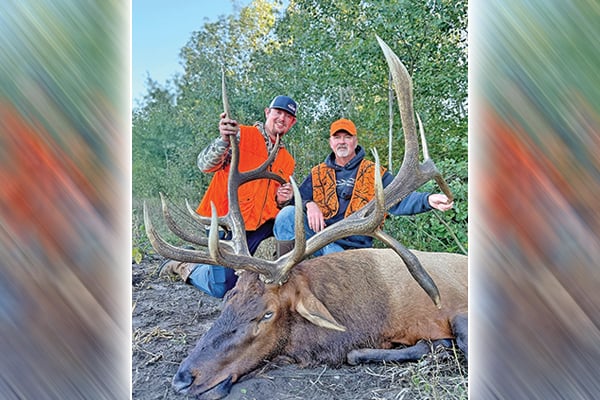
Minnesota’s 2026 elk harvest reaches nearly half of allocated tags during early season
As the first half of the elk season winds down in northwestern Minnesota, nearly half the tags have been filled

Upper Herring Lake offers western Michigan bass anglers a legitimate fall option
Bass can be widely distributed through the vegetation, but cooling water often triggers more active feeding.
Michigan’s Outdoor Calendar
A look at upcoming outdoor-related events from across Michigan published in the Sept. 25, 2026 edition of Outdoor News.
