





Minnesota Letters to the Editor: Another View on Norquist’s firearms safety column
Reader-submitted letters to the editor published in the Oct. 9, 2026 edition of Minnesota Outdoor News.

Minnesota’s Lessard-Sams Outdoor Heritage Council advances 57 projects looking for funding
Members of Minnesota’s Lessard-Sams Outdoor Heritage Council recently discussed and took action on recommendations and allocations for the next cycle
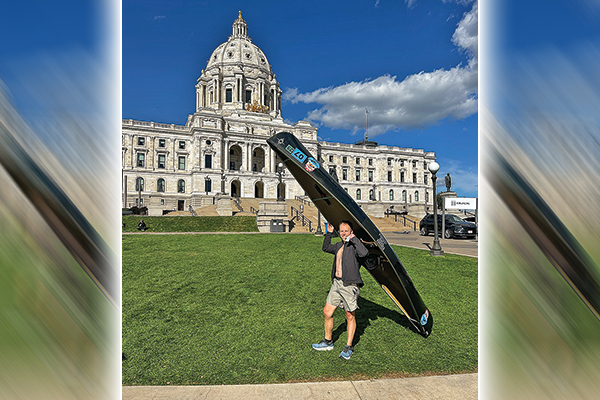
Outdoor Insights: Beast of a marathoner runs 26.2 miles (8,390 rods) with a canoe
On Monday, Oct. 5, Travis Meier, 38, of Minneapolis, was fielding calls from Twin Cities media as well as the
