


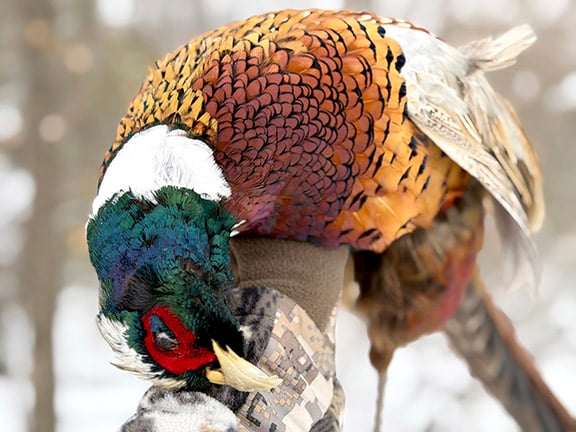
No one will argue about the passion and dedication of ruffed grouse hunters. This is especially true in the Upper Midwest and parts of the Northeast, but they come in a distant second to the cadre of upland game bird hunters who call the ring-necked pheasant king.
More pheasants are harvested and more hours are spent chasing them then any other upland bird. And for these diehard hunters, at least in the most productive pheasant country, this season could be a good one. Here’s a look at what the best pheasant hunting states could offer this fall.
SOUTH DAKOTA

Long considered the gold standard for pheasant hunting, South Dakota is looking at a banner year.
With a harvest pushing 1.4 million roosters last year, with an average of 9.7 roosters bagged per hunter, it may be hard to improve on those numbers in 2026, but indications are this fall’s hunt will be just as good. A mild winter, with near-normal spring weather paired with decent summer rainfall means the state’s grasslands that make up the prime habitat pheasants need is great news for hunters.
As most upland birds, pheasants don’t have long life spans, but this is made up for by big brood sizes. Young-of-the-year birds make up the majority of the harvest every year, especially when nesting conditions are good, as they are this year. Reports of chicks being able to fly in early June are an indication of good brood survival. These large brood sizes are also positive sign, especially when the reports of over-winter survival was so good.
RELATED COVERAGE FROM OUTDOOR NEWS:
Has South Dakota seen any negative effects from longer pheasant seasons?
South-central counties once again promise to be a good destination for traveling bird hunters this fall, with the central counties once again looking to have high harvest rates. The south-central and southeast counties around Platte, Mitchell, Yankton and Sioux Falls should also produce well.
The north-central and northeast counties, around Aberdeen and Huron, especially in areas with strong shelterbelts and mixed grain edges, should also hold good bird numbers. The West River region with native grass and crop land will offer lower hunting pressure, although not as many birds.
The resident only hunt runs Oct. 10-12. The general opener is on Oct. 17 and the season runs through Jan. 31, 2027. The bag limit remains three roosters per day.
MINNESOTA
First released 110 years ago, pheasants have become one of Minnesota’s premier game birds. Yet another mild winter, the third in a row, was a good sign for another productive pheasant hunt this fall.
This should mean more carryover of adult birds, which in turn results in more nesting hens with a higher body weight. This positive report is reinforced by others telling of hens with decent brood numbers.
As seen in other states, young-of-the-year pheasants make up the lion’s share of the hunter harvest.
Locally heavy rainfall may have impacted recruitment in isolated areas, but overall, it shouldn’t have made a dramatic impact. Another positive is more widespread light to moderate rains earlier in the summer produced a good insect hatch during the crucial first weeks of a chick’s life. Young birds will grow roughly 50% in its first week, then double weight the next provided they have a high-protein insect diet.
The Minnesota Department of Natural Resource’s (DNR) Pheasant Action Plan emphasizes the restoration, protection and enhancement of pheasants and with this positive outlook for the upcoming season, especially in the south-central areas of Minnesota, it appears the program is working.
This year’s Minnesota DNR August Roadside Survey showed a 20% jump in pheasant numbers from 2025.
Minnesota’s pheasant season will run from Oct. 10 through Jan. 3, 2027.
WISCONSIN

A decline in good pheasant habitat is nothing new in Wisconsin, where there was a 9% decrease in this year’s pheasant survey compared to 2025. The Badger State’s spring crowing report found 0.73 pheasants heard per survey stop, a slight decrease from last year’s 0.81, although above the most recent five-year average of 0.56.
On a more positive note, the summer was dry, which bodes well for nesting success and brood survival, so there should be decent production from the birds on the ground.
Unlike historic data, the abundance index shows the most pheasants are in the northwest part of the state, while one of the traditional pheasant population strongholds in the east-central region was the lowest. Limited habitat availability, modern agricultural practices and urbanization has hurt the native population that flourished at one time in this area.
Adding to this less than positive outlook is the reduction in the number of pheasants to be stocked by the Wisconsin DNR. Budget constraints within the DNR Bureau of Wildlife Management resulted in the stocking goal of 75,000 pheasants being reduced to 65,000 birds. Additional cost-saving measures for the 2026 pheasant stocking process includes shortening the stocking season, that will now end on Nov. 19. The late December stocking that normally takes place will not occur in 2026.
Wisconsin’s pheasant season runs from 9 a.m. Oct. 17 through Jan. 3, 2027, with a bag limit of one rooster per day Oct. 17-18, with a two-rooster bag the rest of the season.
NORTH DAKOTA

Always in the top five pheasant harvest states in the nation, North Dakota looks to have another promising fall hunt.
Hunters harvested nearly 345,000 roosters last year, down only 3% from 2024. The mild winter, even by North Dakota standards, resulted in a 9% increase in this spring’s survey, with 23.2 roosters heard per stop. The southwest corner of the state, with 32.7 crows heard per stop led the state, with the southeast and northwest coming in sat 23.1 and 22.2, both up from 2025 numbers. The northeast, with its non-traditional habitat, had 9.3 crows per stop.
Weather patterns were good this spring and summer, although a few more severe storms will result in isolated recruitment declines in some areas, but the overall good spring and summer weather should result in another good pheasant season in North Dakota.
North Dakota’s season runs from Oct. 10 through Jan. 3, 2027, with a bag limit of three roosters per day and a possession limit of 12.
IOWA

As Iowa celebrates its 100th anniversary of pheasant hunting this year, the state’s hunters are also expected to have a season as good or better than last year.
Iowa’s August roadside survey found populations to be 41% above the 10-year average. Average snowfall last winter and mild spring temperatures with adequate rainfall, should be reflected by a good year for pheasants. The state climatologist even noted the period from March through May was the seventh warmest spring on record. With these positive survey numbers and the good weather report, things are looking good for Iowa hunters.
Iowa’s hunting season runs from Oct. 32 through Jan. 10, 2027 with a daily bag of three roosters and a possession limit of 12 birds.
MICHIGAN

Michigan’s long decline in wild pheasant populations is primarily a story of lost habitat. As with other states, changes in farming practices have significantly reduced the quality and quantity of habitat capable of producing wild birds, although there are programs that raise pheasants in captivity. These birds are released before and after the season opens.
Michigan’s season in northern Lower Peninsula and southern Lower Peninsula runs from Oct. 20 through Nov. 14 in the Lower Peninsula, with a bag of two roosters and a possession limit of four.
Special management units are open in Zone 1 of the Upper Peninsula and during the December pheasant management unit also.
KANSAS

The state is coming off a 10-year pheasant population high mark last year and with a crowing survey reflecting a statewide index of 12.65 crows per stop, a 14% increase from 2025, Kansas should provide some very good pheasant hunting this fall.
There are however, some concerns heavy rainfalls in May and June that coincided with the peak of the hatch could have impacted nests and chicks. The plus side of this rain resulted in good brood cover and habitat for renesting efforts by any hens that lost nests or broods.
There’s cautious optimism Kansas will see another good year similar, or possibly better than, last year, but hunters are reminded a strong crow count reflects last year’s over-wintering success, not the recruitment efforts from the spring and early summer. The key areas to consider in Kansas is in western and north-central parts of the state.
The Kansas season runs from Nov. 14 through Jan. 31, 2027, with a daily bag limit of three roosters
NEBRASKA

The April Rural Mail Carrier Survey this spring found there was an 11% increase statewide. This positive number likely reflects the mild winter, which allowed for a strong adult population. Timely rains in the central and eastern regions also kept the habitat healthy, which chicks depend on for survival and nutrition.
The good news is pheasant numbers were up across all management units for five- and 10-year averages. The state’s southwest region was up 30% from last year and nearing the 20-year average.
Nebraska’s season runs from Oct. 31 through Jan. 31, 2027, with a bag of three roosters and a possession limit of 12.
Minnesota’s Lessard-Sams Outdoor Heritage Council advances 57 projects looking for funding
Members of Minnesota’s Lessard-Sams Outdoor Heritage Council recently discussed and took action on recommendations and allocations for the next cycle

Outdoor Insights: Beast of a marathoner runs 26.2 miles (8,390 rods) with a canoe
On Monday, Oct. 5, Travis Meier, 38, of Minneapolis, was fielding calls from Twin Cities media as well as the
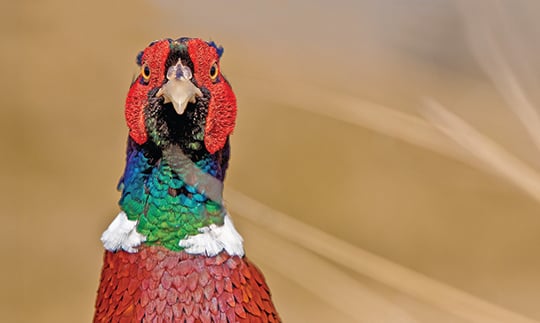
Minnesota’s pheasant season opens with high expectations
Buckle up, Minnesota pheasant hunters: Saturday’s 9 a.m. opener could be the start of one of the best seasons in
