




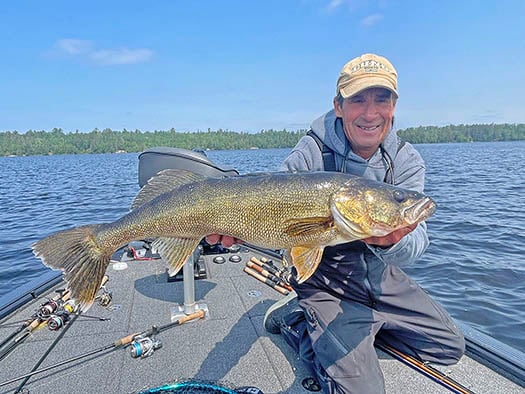
Minnesota’s fishing opener arrives on May 9 and along with it comes a great sense of anticipation. When it comes to participation, the opener is a big deal. For many, this is one of the first weekends on open water and the unofficial kick off to the season.
 A lot of folks have walleyes on the mind – and that’s for good reason. If you’re after walleyes this opener, or spring, here are five tips to finding and catching more.
1. Do your homework
Before you hit the water, spend some time studying at home. Employ mapping to identify those key walleye spawning areas.
Top locations include feeder rivers and creeks, shallow rock and rubble areas, back bays, main lake flats, and others. Take note of these areas, as they can be a great way to get a jump start on potential prime locations.
It’s important to find the right mix of bottom composition and water temperatures as they play a big role in determining exact spawning locations.
2. Use your electronics
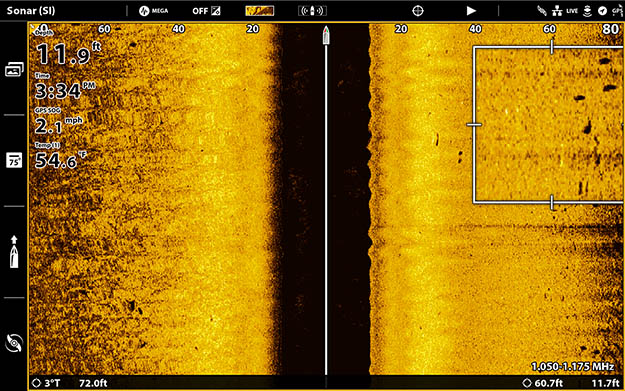
Electronics are extremely advantageous when it comes to locating walleyes in the spring. While tools like forward-facing sonar get all the publicity, it’s hard to beat side imaging in terms of finding scattered walleyes. Most often, fish are shallow throughout this timeframe, and driving over the top of them can send them scattering in all directions.
With side imaging, you can cover large expanses of water in a single pass. Generally, I set my range to 80 feet, so I can scan 160 feet of water, horizontally, at a given time. As I go, I drop waypoints on these schools of wandering fish. After I’ve marked a few packs, I fish back through my waypoints, while keeping some distance to avoid spooking the fish.
3. Casting strategies
Throughout the early season, walleyes are shallow and it’s important to be stealthy.
In my opinion, the best way to do this is by getting baits out away from the boat. Whether you’re casting, dragging, or trolling, it’s vitally important to keep some distance between your boat and the fish. As lakes like Leech Lake, Mille Lacs, and Lake Winnibigoshish get more and more clear, staying back will help to catch more walleyes.
On windy and choppy days, you can get away with a little less stealth, but on calm days, you need to be cognizant of your location in relation to fish. Regardless of conditions, a good rule of thumb is to cast in front of the boat’s directional movement. A lot of times, fish will be caught within the first 20 to 30 feet of your retrieve.
4. Play the wind
A lot of folks don’t like fishing in the wind, but when it comes to walleyes, this can be a big mistake. The truth is… wind is your friend. Wind can concentrate microorganisms, baitfish, and ultimately, game fish into key areas. In general, the longer the wind has been blowing on a specific piece of structure, the more fish will collect in that given area.
I’ve been utilizing the animated wind feature in onX Fish to get some insight on these locations. Not only does it give you current wind speed and direction, but it also shows you those details over the previous three days and five days into the future. This is invaluable data for determining key structure.
5. Weather factors and water temperature
Weather plays a big role throughout the early season.
As mentioned, wind has a big effect on fish location because of how it concentrates fish. That being said, it’s a factor to pay attention to in terms of water temperature as well – as it can quickly change the temperature. Offshore winds tend to pull cooler water in, and conversely, shoreline winds tend to concentrate the thin layer of warmer surface water. Other weather factors, like light penetration, can impact fish location as well, so pay attention to the forecast.
The opener is coming quick.
If you’re chasing walleyes, these tips can help you to have a more successful outing.
Pennsylvania’s hunting license sales down so far this year
Hunting license sales are down nearly 4.5% at the end of August, although Pennsylvania Game Commission officials believe there is
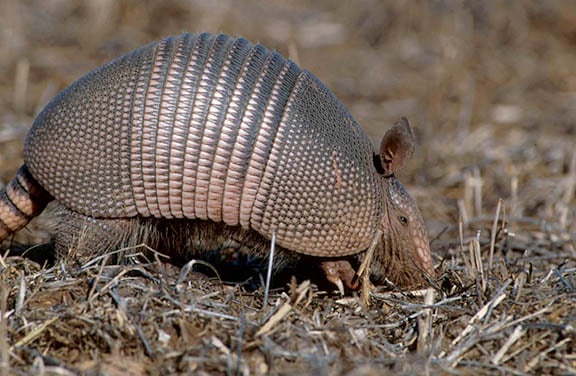
Origin of road-killed armadillo in southwest Ohio a mystery
An armadillo found as roadkill in southwest Ohio has researchers scratching their collective heads wondering from where the non-native mammal
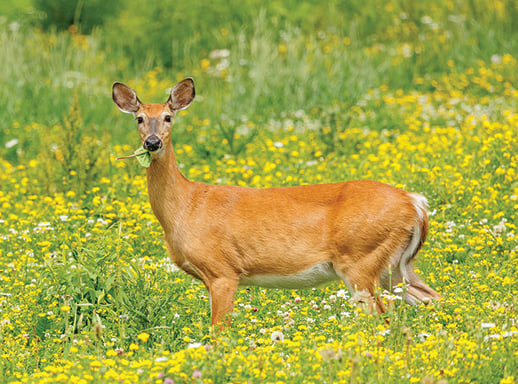
Bowhunt gets started in Ohio with additional opportunity in CWD surveillance area
Hunters in Ohio’s chronic wasting disease (CWD) surveillance area have additional dates this season to pursue white-tailed deer. The Ohio
