




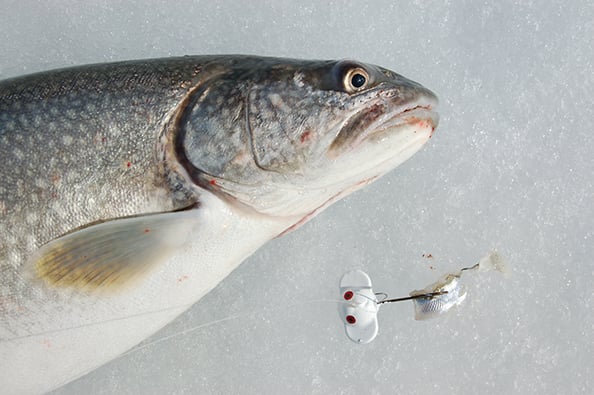
Anglers often talk about barometric pressure and its impact on fishing. It’s generally understood that high pressure makes for tough fishing while low pressure can turn on the bite. But what effect does air pressure have on fish?
Barometric pressure is a measurement of the air pressure in the atmosphere. Gas particles in the air sometimes become more dense (high pressure) or less dense (low pressure). High pressure occurs during stable weather patterns and are characterized by calm winds and clear, sunny skies. Conversely, low pressure weather can be windy, stormy and cloudy.
Our local freshwater fish have swim bladders, which help them maintain neutral buoyancy in the water. If you’ve ever pulled a perch out of deep water, you’ve probably seen its balloon-like swim bladder pop out of its mouth. Fish have to adjust the amount of air in their swim bladders to swim up or down in the water.
Now imagine you had to walk around with a balloon inside you all day long. Under low pressure, you would feel a little weird with a balloon in you, but you would get used to it and it would become comfortable. But then along comes high pressure, and suddenly that balloon is getting inflated like your belly after Thanksgiving dinner. You’d feel uncomfortable!
MORE ICE FISHING COVERAGE FROM OUTDOOR NEWS:
Simple gear, big water: Ice fishing for lakers in the Boundary Waters is all about the experience
Tips for taking advantage of the last days of the winter walleye season
Examining the finer details of tip-up fishing
When high pressure is exerted on fish, they try to get comfortable. They usually go deeper or they may even suspend. And like you feel after Thanksgiving dinner, they don’t want to swim around a bunch; they want to lay low. Their metabolism slows as well.
Other factors are at play, too. High pressure yields clear, sunny skies. Sunny skies make for more light penetration, which tends to send fish deep.
And it’s not just gamefish. Minnows are affected as well. They may be hunkered down, riding out the high pressure, instead of actively swimming around, making them less accessible to predators. Everyone lays low.

All fish species are affected by pressure to some extent, but some are more susceptible than others. If my midwinter walleye fishing trips are any indication, I’d say walleyes are greatly affected by pressure! However, trout are less so. That may be in part because they spend time in such deep water. In particular, my best lake trout fishing seems to occur on high-pressure days. Fishing for everything else seems better on low-pressure days.
So what can you do if all week long, it’s cloudy and in the 20s, but as soon as the weekend comes, it’s highs below 0 and bright sun? Well, you could always stay home! But if you go, realize it’s going to be tough. If chasing trout is an option, you might try that.
Regardless of what you fish for, slow down your presentation and downsize it, too. Use live bait. With increased light penetration on those bright days, lethargic fish are going to give your bait extra scrutiny.
Focus on feeding windows, too. Check Vector charts in the latest fishing reports from Outdoor News to see periods of highest and lowest activity. Concentrate your efforts at dawn and dusk, too, and be set up and ready on your very best spots at peak times. Feeding windows may be very short, so capitalize on them.
High pressure can really put a damper on fishing. Use these tips to take advantage of the limited opportunities you may have.
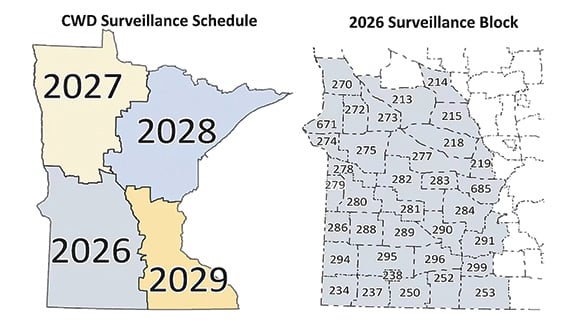
Minnesota DNR reminds firearms deer hunters to prepare for CWD sampling
Sampling is mandatory for southwest Minnesota the opening weekend of firearms deer season Nov. 7-8

Short on walleyes, but long on muskies: Beers Lake in Minnesota’s Otter Tail County
Otter Tail County’s Beers Lake is an excellent walleye fishery – nope. Beers is loaded with good-sized panfish and northern
Minnesota’s Outdoor Calendar
A look at upcoming outdoor-related events from across Minnesota published in the Oct. 23, 2026 edition of Outdoor News.
