




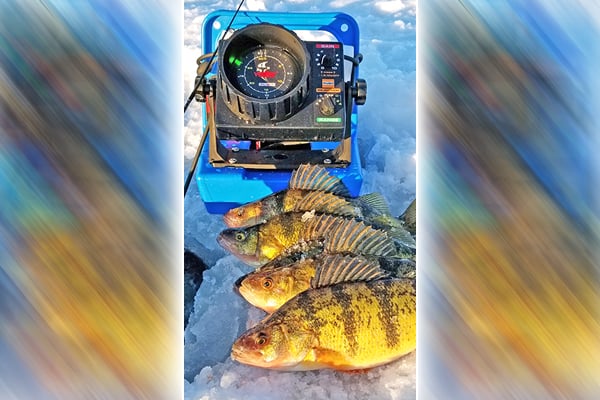
Anglers often hear the term “deadsticking” which has gained in popularity in the past few years. It’s basically a passive presentation that requires zero effort but can produce fish when aggressive jigging tactics fail. Here is a primer on deadsticking.
Presentations
 I have two separate deadstick presentations that have worked well this season. The first is the basic glide bait that we drop to the bottom and then let it sit still. Glide baits often will spin in a circle after a quick lift, and the action is hard to resist.
When I mark a fish on the sonar, I just reach over and give the rod a quick lift and then let it settle. Often the strike occurs just after the bait comes to rest.
My second presentation is a shiner minnow on a plain leadhead jig. Shiners in the wintertime are the go-to minnow, and it doesn’t seem to matter if the minnow is alive or dead.
Again, a quick lift and letting it rest works wonders.
Experiment with larvae or waxworms instead of a minnow. See what the fish prefer!
MORE ICE FISHING COVERAGE FROM OUTDOOR NEWS:
Simple gear, big water: Ice fishing for lakers in the Boundary Waters is all about the experience
Tips for taking advantage of the last days of the winter walleye season
Examining the finer details of tip-up fishing
Five-gallon pail
You can get by using just a five-gallon pail and let the deadstick rest on the open top. Many times the rod gets hit and the rod falls into the pail.
No problem, sort of a natural hookset! Resting the deadstick on your minnow bucket works well also. No need to get any additional holders or equipment, just use what you’ve got.
Used in conjunction with aggressive jigging
My second rod is equipped with a walleye-sized jigging spoon. The aggressive jigging always pulls in fish from a distance and then they have a choice to hit the aggressive spoon or the passive deadstick.
Many times you get hit on both!
Rattle reels?
I’m not a big fan of rattle reels as many fish tend to drop the bait because of the tension they feel on the heavy rattle reel line.
Switching to a deadstick with a standard rod-and-reel combo almost always will put more fish in the bucket.
One final tip: Always make sure you give the fish a few seconds to take the bait before setting the hook on the deadstick. The fish sometimes tend to play with the minnow or grab the minnow by the tail and swim off.
If you are a yellow perch fan, the deadstick works wonders on this finicky species. There are times when the deadstick is the only presentation they will hit, especially when the weather is off.
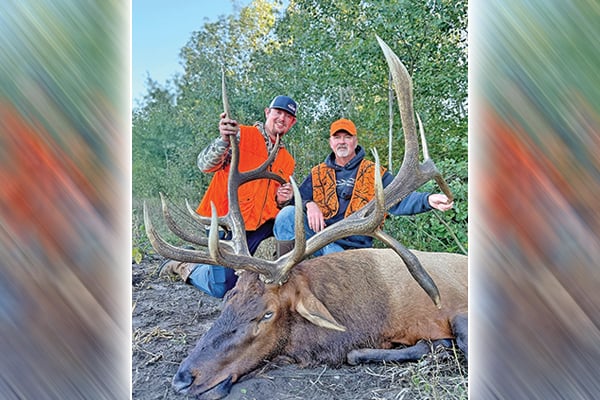
Minnesota’s 2026 elk harvest reaches nearly half of allocated tags during early season
As the first half of the elk season winds down in northwestern Minnesota, nearly half the tags have been filled

Upper Herring Lake offers western Michigan bass anglers a legitimate fall option
Bass can be widely distributed through the vegetation, but cooling water often triggers more active feeding.
Michigan’s Outdoor Calendar
A look at upcoming outdoor-related events from across Michigan published in the Sept. 25, 2026 edition of Outdoor News.
