




Dan Small Outdoors Radio: Show 2138
Indiana hunter scores a huge black bear in northern Wisconsin. Jeff heads to Cass Lake, Minn. for a Masters Walleye
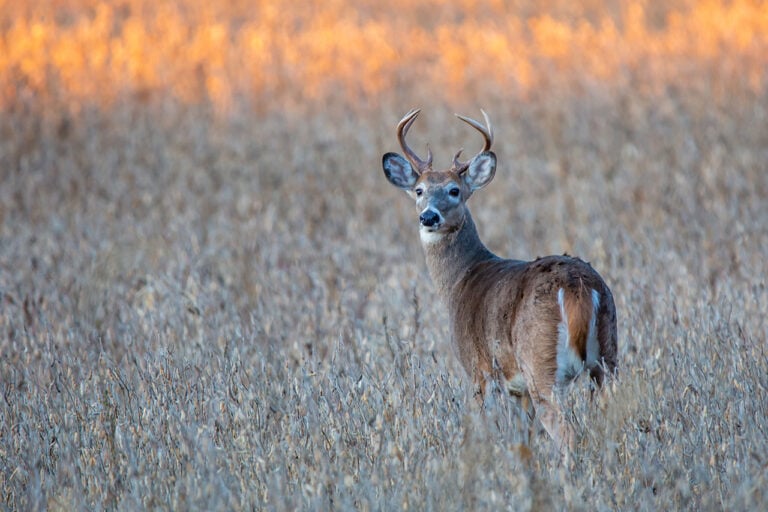
Way less land for hunting spurs action from Pennsylvania Game Commission
The Pennsylvania Game Commission has overhauled its Hunter Access Program this year in an effort to boost declining landowner participation
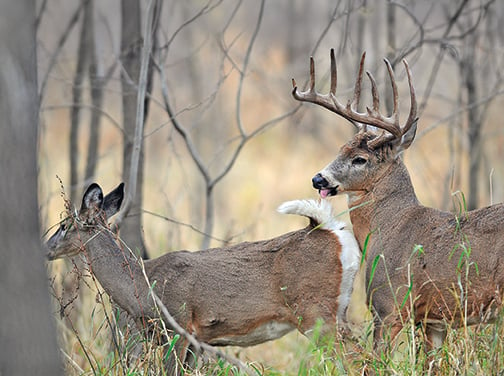
Where do big bucks go when they vanish?
Over the course of our three-months-plus bowhunting season, seeing just one wall-hanger buck can be cause for celebration. Trophy proportioned
