




The conservation officer wasn’t pleased. Nor were the ice anglers who happened by that winter afternoon.
The site: a Mississippi River backwater near Wabasha in southeastern Minnesota, a mile or so from a common entry point for anglers who were willing to get their cardio in by chasing bluegills, black crappies, perch, and northern pike.
A group of anglers had obviously gotten into the fish and decided to have a fish fry on ice – a festive occurrence I had witnessed there in years past. The problem was that they didn’t have a plan for cleaning up after themselves. Or, worse yet, they didn’t care.
“What the heck?” said a DNR conservation officer, shaking his head in equal parts disbelief and disgust. He had just pulled a sled of gear onto the backwater lake’s ice for an afternoon of fishing when he came upon the scene. A small coterie of other anglers looked on, too.
MORE ICE FISHING COVERAGE FROM OUTDOOR NEWS:
Jeremy Smith: Perch action thriving again this winter on Minnesota’s Lake Mille Lacs
How to crack January’s mid-season walleye code
Tricks from days gone by still put pike on the ice
Soda and beer cans, as well as paper plates, plastic utensils, and napkins, were strewn on the ice. The heads and other bloody remains of filleted fish, too. An empty bottle of vegetable oil lay on its side, with some of its contents leaving a slick atop the ice. It was far worse than you imagine, and it soured the atmosphere on an otherwise fine winter’s day.
The last thing I remember was watching the conservation officer take photos, collect the trash, and grumble about the egregious breach of angling etiquette.
As the ice-fishing season cranks up across Minnesota, I was curious to explore the topic of ice-fishing etiquette – specifically, how anglers should comport themselves on the ice. Enter Joe Henry, executive director of Lake of the Woods Tourism, and Scott Mackenthun, area fisheries supervisor for the Minnesota DNR in Waterville.
Both men are avid ice anglers who have devoted their lives to fishing and fisheries conservation, and both have strong opinions regarding ice-angling protocol and behavior.
“Ice fishing is the fastest-growing segment of fishing in general in the last decade,” Henry said. “We’re seeing a lot of new anglers come into the sport, and it stands to reason they may not know all the ins and outs on the etiquette front.”
Said Mackenthun: “It’s important to have the discussion. But a lot of it is just common sense and being respectful of others.”
Here are some of their thoughts – and recommendations – on the topic.
Leave no trace
Henry said the above example is actually illegal in Minnesota.
Minnesota’s 2023 “Keep It Clean” law makes it illegal to leave any garbage or waste (including human waste) on or under lake ice. All garbage/waste must be stored in your fish house, vehicle, or secure container. In other words, clean up after yourselves.
“Don’t be that person,” Henry said. “Some people are selfish and just don’t care about leaving their garbage behind. But there are other well-intended people who get a bit careless and make a mistake. Either way, it can’t happen. Bottom line: We have to pick up after ourselves, so have a plan for doing so.”
Mackenthun agrees. “If you see garbage of any sort on the ice, pick it up,” he said. “We don’t want it washing ashore come spring.”
Refrain from drilling holes on ice roads; don’t speed on them, either
Many larger state fisheries have ice roads that allow for travel to and from ice-fishing locations. When the snow is deep, some anglers make the mistake of drilling holes through the plowed, snow-free road – an explicit no-no.
“I’ve seen this happen where the entire road gets flooded and needs to be re-routed,” Henry said. “It’s unsafe, and it’s just laziness. Just don’t do it. It makes everyone mad.”
He said many ice roads have signs that remind anglers to slow down. “Lots of vehicles pound the ice daily,” he said. “That, combined with driving fast, will prematurely wreck the ice. Just slow down.”
Don’t drill holes near another fish house
This sounds like common sense, but it does happen way too frequently.
“Punching a bunch of holes near a permanent structure can flood the entire area,” Henry said.
He said the water mixes with the snow and creates slush, which can freeze the permanent structure in place.
“It just makes it way harder to move when you have to get them off the ice,” Henry said of the permanent fish houses. “Do not drill holes near another fish house.”
Don’t set up close to other anglers
Henry and Mackenthun both say this is a constant temptation for anglers, especially after they hear about a hot bite and see ice anglers congregating in a certain area or over a piece of structure.
“Give your fellow anglers space. There’s plenty of ice to fish,” said Henry, adding that it could be self-defeating. “Especially on Lake of the Woods, where you’re often fishing large flats, fish are moving around. Getting away from other anglers is oftentimes the smartest thing you can do.”
Mackenthun fishes in southern Minnesota a lot, and many of those so-called prairie lakes are, more or less, featureless bowls. Still, he said, anglers will set up close to each other.
“There’s just no reason to do it,” he said. “Go find another place to set up. Respect people’s boundaries. On these southern Minnesota lakes in particular, fish could be anywhere.”
Have a restroom plan
Henry said that with the advent of more and better “sleeper” or “wheel” fish houses, anglers are spending more and more time on the ice.
More and more families, he said, are taking short ice-fishing vacations.
“Many lakes have restroom facilities open to the public (offshore), or resorts on the lake might have restrooms available to anglers,” he said. “The bottom line is that you have to have a plan for bathroom breaks on the ice. You cannot leave your waste behind.”
Know your harvest regs and release fish wisely
It’s up to each angler to know fishing regulations, which can differ by species on different bodies of water. Indeed, bag limits and size restrictions can vary from fishery to fishery.
Henry said anglers should be prepared to release fish as quickly as possible. Have a needle-nose pliers handy, as well as a camera to snap a quick photo, if you’re so inclined.
“The quicker you can release the fish, the better,” he said. “When you’re fishing outside, remember the eyes, gills, and fins of any fish can freeze up quickly. Just release the fish as soon as possible.”
Pennsylvania’s hunting license sales down so far this year
Hunting license sales are down nearly 4.5% at the end of August, although Pennsylvania Game Commission officials believe there is
Origin of road-killed armadillo in southwest Ohio a mystery
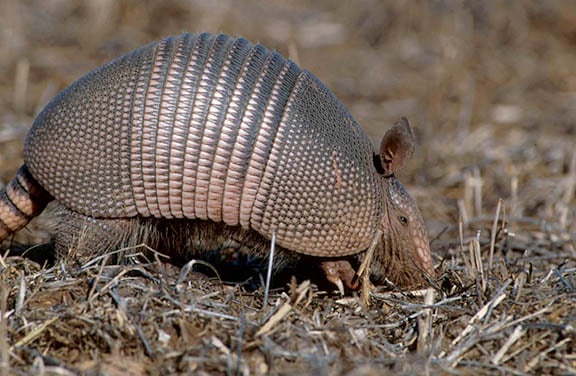
An armadillo found as roadkill in southwest Ohio has researchers scratching their collective heads wondering from where the non-native mammal

Bowhunt gets started in Ohio with additional opportunity in CWD surveillance area
Hunters in Ohio’s chronic wasting disease (CWD) surveillance area have additional dates this season to pursue white-tailed deer. The Ohio

3 thoughts on “As new ice anglers enter the fold, here’s a primer on proper etiquette”
This article on ice fishing etiquette should be posted once a week and printed in all the regional magazines I.e. In-Fisherman, Midwest Game and Fish, Outdoor News papers, etc. Apparently everyone didn’t have parents like mine taught us to leave the outdoors where we recreate, cleaner than we found it.
I certainly hope the Conservation officer took the time to issue citations or at least get the ID’s of the folks involved in that mess in addition to taking pictures for evidence. Too bad there isn’t a test that could administered to gauge common sense, or the lack of it.
I doubt this will happen, but if it could, it might be a useful training for the inconsiderate slobs:
Make a law that anyone caught leaving liter, fish guts or whatever, would have his/her name and address posted, and for 60 days thereafter it would be perfectly legal for anyone else to leave similar trash & waste in front of his/her house.
People deserve to be treated as they treat others.
And those who can’t figure out the obvious on their own, deserve to learn it the hard way.