




New York Mixed Bag: Late muzzleloading hunting seasons winding down

Albany — Late muzzleloading seasons in New York continue in both the Northern and Southern Zones for big game. In the Northern Zone, the late muzzleloading season closes Sunday, Dec. 14 and excludes a number of Wildlife Management Units in the interior or the Adirondacks. It is also for deer only.
The late muzzleloading season continues throughout much of the Southern Zone through Tuesday, Dec. 16 and is for deer and black bears. In the Southern Zone, the annual holiday-week late muzzleloading hunt takes place Dec. 26 through Jan. 1, 2026.
Long Island’s special firearms season runs Jan. 4-31 in Suffolk County. Where allowed, firearms deer hunting on all DEC-managed lands is by daily permit via reservation. Reservations will be made on a first come first served basis through Reserve America from Dec. 15-19, and from Dec. 28 onward.
MORE COVERAGE FROM NEW YORK OUTDOOR NEWS:
Lake Erie laker spawning grounds improved in New York
Bill Hilts, Jr.: Safety is job No. 1 for ice anglers; here’s what to consider
Election Day buck shot with a bow may have shot at New York’s record book
RECREATIONAL USE ADVISORY LIFTED FOR ISCHUA CREEK IN CATTARAUGUS COUNTY
Franklinville, N.Y. — On Nov. 21, the New York State Department of Environmental Conservation in coordination with the New York State Department of Health lifted the recreational use advisory for Ischua Creek, in Cattaraugus County. Water quality sampling and data collection along the creek show conditions have improved allowing for a return to normal fishing/fish consumption, boating, and swimming next summer.
A major wastewater discharge from the Great Lakes Cheese plant in August caused a widespread fish kill in Ischua Creek. DEC and DOH issued the precautionary advisory on Aug. 28, due to environmental impacts from wastewater discharged from facility located in Franklinville. In early October, DEC announced that $475,000 in penalties and corrective actions required in an Order on Consent with Great Lakes Cheese for the discharge.
DEC is continuing to closely monitor water quality in Ischua Creek. Monitoring shows improved compliance with ambient water quality standards and successful implementation of many treatment plant corrective actions to stabilize effluent water quality entering the creek. There continue to be no indications of impacts to public drinking water supplies.
FRESHWATER FISHING HALL OF FAME OFFERS YOUTH WRITING CONTEST WITH CASH PRIZES
Hayward, Wis. — The Freshwater Fishing Hall of Fame reminds young people to submit entries to the Lindsay Sale-Youth Writing Contest by Jan. 10, 2026. The Hall encourages stories about your most memorable fishing trip. Prizes are available for 1st place ($300), 2nd ($200) and 3rd ($100.)
Winners will be announced by May 15 and winning stories will be published in the Spring issue of the Hall’s “Splash” newsletter. The contest is open to youth between the ages of 12 and 15 (parental consent required). Limit one entry per person. All stories must be the work of the entrant, without the use of AI. Stories need to be between 200 and 500 words long, and entries will be judged by qualified outdoor journalists, photographers, and educators.
Complete contest details are available online at: www.freshwater-fishing.org/lindsay-sale-tinney-award-entry-form/.
DEC CONDUCT’S ATLANTIC SALMON SURVEYS IN SANDY CREEK AND OAK ORCHARD CREEK
Buffalo, N.Y. — DEC’s Region 9 Fisheries staff recently conducted a survey of two tributaries to Lake Ontario, Sandy Creek and Oak Orchard Creek, as part of a strain evaluation of stocked Atlantic salmon. The surveys tie into the Lake Ontario Atlantic Salmon Fisheries Management Plan, which aims to improve the survival of stocked fish and increase the number of adult Atlantic salmon that return to tributaries to spawn. Information gathered from the survey will help inform future stocking strategies to ensure optimal survival of Atlantic salmon stocked into Lake Ontario. During the survey, a total of 63 Atlantic salmon were caught with lengths ranging from 20 to 31 inches.
The purpose was to assess the survival and return of two different strains of Atlantic salmon stocked into Lake Ontario: one is the Lake Sebago strain that has been stocked since 2017, and the other is a low thiamine tolerant strain. Atlantics are especially susceptible to low thiamine issues, which stems from eating alewives, the primary forage fish of Lake Ontario trout and salmon. Alewife contain an enzyme called thiaminase, which breaks down thiamine (Vitamin B1) in adult trout and salmon. When this occurs, the adults pass insufficient thiamine to their eggs, causing a condition called Early Mortality Syndrome, which limits survival of newly hatched fish.
Both strains of Atlantic salmon were raised at the USFWS Dwight D. Eisenhower National Fish Hatchery in Vermont. While in the hatchery, genetics are taken from the parents of both strains, so each fish subsequently caught from Lake Ontario will be able to be traced back to the original parentage strain.
CAMERON POND, IN STUEBEN COUNTY, REOPENS FOLLOWING DAM MAINTENANCE PROJECT
Cameron, N.Y. — DEC recently announced the completion of dam maintenance work at Cameron Pond in Steuben County. Located within the 1,990-acre Cameron State Forest, the dam now complies with New York State dam safety requirements to reduce the risk for flooding, preserve natural habitat, and protect public safety.
DEC closed Cameron Pond in March 2025 for improvements and maintenance to the existing auxiliary spillway, the low-level outlet, and the earthen embankment. The access road and parking lot are also freshly graveled and graded. Outdoor recreational use is permitted, however, the water remains low.
SUBSCRIBER CONTENT
Read this article now.
Create a free Outdoor News account.
Create a free account below to get instant access to this article, thousands of Outdoor News stories, and our digital editions. Your 1-month trial starts the moment you sign up.
No credit card required
No credit card required
Subscriber? Login Here.
Share on Social
Hand-Picked For You
Pennsylvania’s hunting license sales down so far this year
Origin of road-killed armadillo in southwest Ohio a mystery
South Dakota Fishing Report – September 16, 2026 – video
Bowhunt gets started in Ohio with additional opportunity in CWD surveillance area
Ohio’s statewide fishing and hunting report on Sept. 17, 2026
Niagara Falls (N.Y.) Fishing Report – September 15, 2026
Related Articles
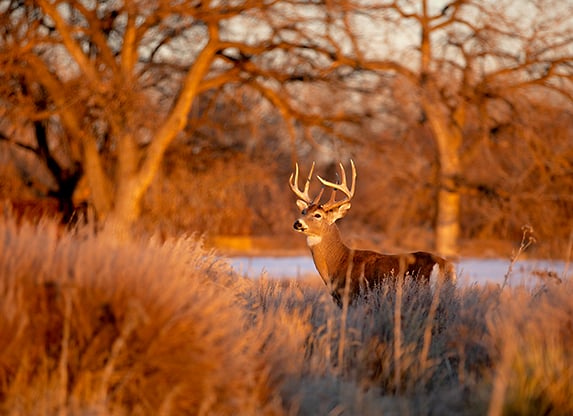
Pennsylvania’s hunting license sales down so far this year
Hunting license sales are down nearly 4.5% at the end of August, although Pennsylvania Game Commission officials believe there is
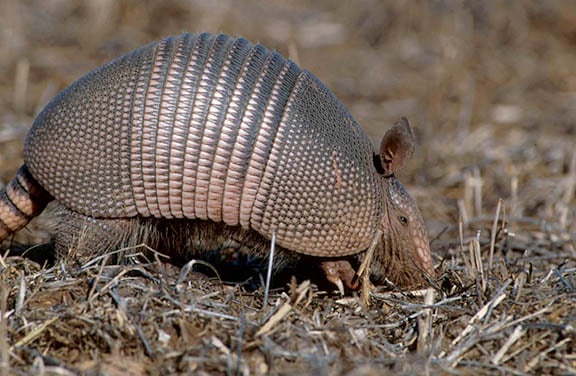
Origin of road-killed armadillo in southwest Ohio a mystery
An armadillo found as roadkill in southwest Ohio has researchers scratching their collective heads wondering from where the non-native mammal
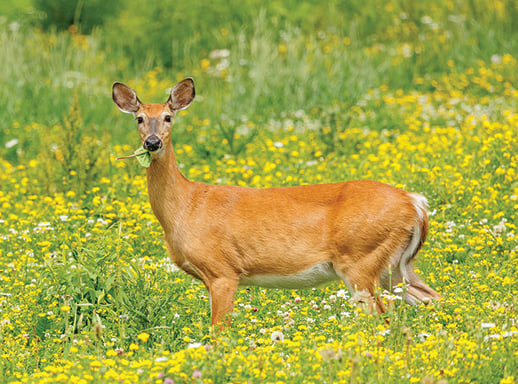
Bowhunt gets started in Ohio with additional opportunity in CWD surveillance area
Hunters in Ohio’s chronic wasting disease (CWD) surveillance area have additional dates this season to pursue white-tailed deer. The Ohio
