




Editor’s note: The following commentary is the product of Minnesotans who call themselves the Old Duck Managers Group. Members are listed at the end of this commentary.
We, the Old Duck Managers Group, are retired Minnesota DNR and U.S. Fish and Wildlife Service biologists who worked on waterfowl management, research, and/or law enforcement our entire careers. We have watched as ducks have disappeared from habitats we see in our day-to-day lives – areas where we worked, and from our decoys during the past 30 years.
In this commentary, we share our perspectives and opinions about declining duck numbers gleaned from our 200 years of combined experience.
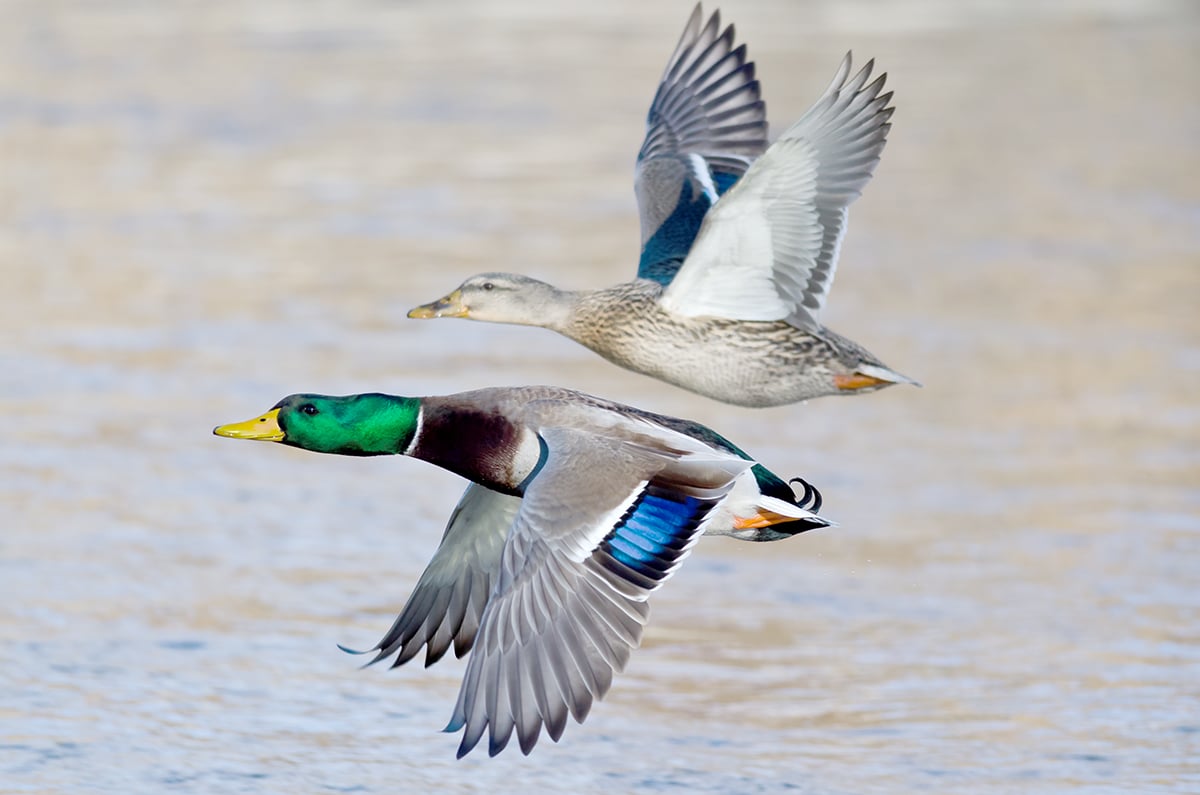
In North America, mallards are the duck most hunters prize. USFWS harvest figures show North American mallard harvest has declined by almost 50% since 2000.
Further, recent midwinter duck surveys throughout the United States have recorded the lowest midwinter mallard counts ever in many locations. A Canadian waterfowl research biologist recently concluded that the North American mallard population has “collapsed!” Why?
Historically, the Prairie Pothole Region was the most productive duck nesting area in North America. However, in the past 70 years, PPR habitats have been seriously degraded. The vast grasslands of the U.S. and Canada basically are gone, and myriad wetlands have been drained.
Looking at the past 30 years, millions of acres of federal Conservation Reserve Program grass and wetlands have been tilled. In Canada, the province of Saskatchewan alone has lost 16% of its wetland base since the mid-2000s.
MORE WATERFOWL COVERAGE FROM OUTDOOR NEWS:
Tips and tricks to take advantage of Minnesota’s early teal and goose seasons
From backwaters to oxbows, here’s how to hunt waterfowl on the mighty Mississippi
Are you as good at identifying ducks as you should be? Here are ways to learn
As grassland throughout the PPR was converted to cropland, habitat changes allowed red fox, raccoon, and skunk populations to increase exponentially. It is estimated that today, predators destroy up to 90% of all mallard nests in the PPR and may kill 40% of all nesting hens.
Killing of hen mallards on their nests has led to a skewed sex ratio in the mallard population of 80% males and 20% females. The mallard population is low, nesting habitat is degraded, only 20% of the population is hens, and 90% of the nests laid are destroyed: That is a recipe for disaster!
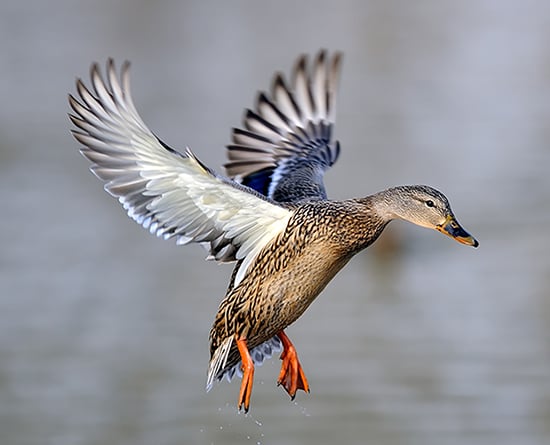
Although it is often stated that hunting has no effects on breeding mallard populations, we disagree. Banding data show that approximately 15% of all adult hen mallards and 20% of all juvenile hens alive in the fall are killed by hunters. Adult and juvenile hens in the fall are all the hens that will be available to nest the following spring. When these hens are killed, particularly when mallard populations are low, it likely removes hens from the following year’s nesting population.
Besides direct harvest, hunting has numerous indirect effects. Hunting creates disturbance to ducks, September until February. During this period, ducks are forced to concentrate on refuge areas where food is often inadequate. Some die of malnutrition, and others are caught by predators due to poor body condition.
Being concentrated also increases the potential for spreading disease (e.g., avian influenza). Hunting seasons start in mid-September in northern states and extend through January in the South. Because many nests are destroyed, to be successful most hens must renest several times to hatch a nest. Late-nesting hens then need to fledge their brood and molt wing feathers. Successful hens, some of which are still flightless on opening day, are extremely vulnerable to hunters in mid-September.
Further, mallard hens pair about mid-January. When a paired hen’s mate is shot, her migration north is delayed by several weeks due to the extra energy required to re-pair, limiting her reproductive potential.
Our group is not against waterfowl hunting. We are all passionate waterfowl hunters. However, to claim that hunting has no effect on waterfowl populations is ridiculous.
Hunting changes everything a duck does in the fall and winter (not to mention the killing of 10 million annually), and none of them to the duck’s benefit. Our group is advocating for common-sense changes to hunting regulations to attempt to increase duck populations.
In Minnesota
Minnesota has a strong waterfowl-hunting tradition. During the 1970s, Minnesota led the nation in the number of waterfowl hunters. But not anymore. Why?
USFWS harvest figures and the Minnesota DNR’s breeding population survey indicate a drastic decline in state waterfowl populations in the past 15 years. From 2011-2015, Minnesota hunters harvested an average of 169,000 mallards annually. In 2021 and 2022 the average was 70,000 mallards – less than half from a decade earlier. The wood duck harvest has declined by 66%! During the past three years, mallards, which have always in the past been the most-harvested duck in Minnesota, fell to third in the bag.
In the 2025 DNR’s breeding waterfowl survey, the Minnesota mallard breeding population was 32% below the 10-year average and 28% below the long-term average. Last year, during the “early teal season,” Minnesota hunters shot almost as many teal as was estimated in the entire Minnesota 2025 blue-winged teal population, which was the lowest teal population ever recorded. Our group is tremendously concerned by these numbers.
Today’s DNR does not appear to be as concerned. During the past 15 years, the DNR has increased wood ducks in the daily bag from two to three, moved waterfowl season opener a week earlier, increased the daily bag of hen mallards from one to two, added a two-day youth hunt and a five-day teal hunt prior to the waterfowl season, increased possession limit of ducks from 12 to 18, changed starting time opening day from noon to a half-hour before sunrise, removed spinning-winged decoy restrictions, and removed the 4 p.m. daily closure. Regulations have steadily become more liberal during the past 15 years while Minnesota waterfowl populations have steadily declined – to record low numbers.
Is it any wonder hunter numbers have declined?
In the late 1960s and early 1970s, the DNR was concerned about declining local Minnesota duck populations and asked researchers from the Prairie Wetlands Research Center in Jamestown, N.D., to do research in Minnesota to determine if hunting was influencing Minnesota duck populations. This group published several papers on its findings and concluded that yes, hunting was negatively affecting Minnesota duck populations.
These findings led the DNR to institute innovative duck-hunting regulations such as the 4 p.m. closure and noon opening-day opener, which allowed for reasonable harvests, yet protected local ducks. Our group knows of no Minnesota research that counters these findings.
Hunting regulations recommendations
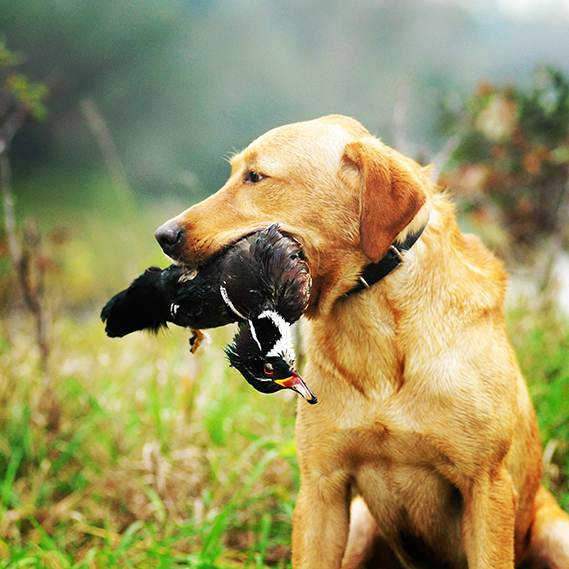
Minnesota relies heavily on locally-raised ducks for reasonable hunting (about 33% of the harvest). Minnesota breeding duck populations are currently at the lowest ever recorded, and we believe this is the primary reason for poor duck hunting in Minnesota.
Until Minnesota reaches the Minnesota DNR Long Range Duck Recovery Plan goal of 1 million breeding ducks (more than twice this spring’s estimate of 417,000), our group recommends the following changes to Minnesota hunting regulations:
1) Reduce the daily duck bag limit to three, with only one hen mallard. Reduce the wood duck daily bag limit to two and keep the pintail limit at one.
2) Reduce the duck season to 30 days with no zone splits.
3) Reinstate the daily 4 p.m. duck-hunting closure the entire season.
4) Eliminate special duck-hunting seasons, including the youth and teal-only seasons. Keep goose seasons open in early September, but no over-water hunting until the duck opener. Continue a strong campaign to encourage youth participation during the regular season.
5) Move the duck season to the traditional opener of the Saturday closest to Oct. 1 to allow for better duck identification and more migrants in the state.
We also recommend the DNR direct Section of Wildlife staff establish duck feeding and resting areas on established and new state wildlife management areas, and establish more duck refuges as per the Long Range Duck Recovery Plan of 2006.
Conservation of duck populations
It is our group’s belief that the best way to improve waterfowl populations is to advocate for agricultural acres across Minnesota and the entire PPR converted to grass in a program similar to the Conservation Reserve Program. However, this has not happened for 20 years, and there are no indications this will happen soon.
Further, although the DNR and conservation groups are purchasing habitat in the PPR, more grass and wetlands are converted to agriculture annually throughout the PPR than are protected. Predator control and nesting structures help local duck production but are too expensive and labor-intensive to significantly improve duck production on a broad scale.
The only viable management tool available to North American waterfowl managers to attempt to increase waterfowl populations is to reduce mortality of adult and hatch year hens by reducing harvest. This could be done in short order in Minnesota if the DNR would adopt more conservative hunting regulations to increase survival of locally-produced hens and return them the following spring to increase breeding populations.
These regulations changes would reduce the amount of opportunity for hunters to harvest ducks in a season. However, if duck hunters are unwilling to sacrifice hunting days and birds in their daily bag, we cannot expect elected officials and non-hunters to support the cause of ducks via the federal farm bill or any other conservation measure.
Conservation requires sacrifice by everyone, but it must begin with those who are most passionate about the resource.
Old Duck Managers Group:
Dave Rave – DNR Wildlife, retired; Ross Hier – DNR Wildlife, retired; Tony Rondeau – U.S. Fish and Wildlife Service, retired; Scott Glup – USFWS, retired; Mitch Sladek – DNR Enforcement, retired; Ray Norrgard – DNR Wildlife, retired; Fred Bengtson – DNR Wildlife, retired; and John Thompson – U.S. Geological Survey, retired.

WI Daily Update: State stamp contest winners announced
Three Wisconsin artists have earned a place on the 2027 turkey, pheasant and waterfowl stamps. Here are the winners and
Pennsylvania Game Commission’s chief of wildlife recovery glad to return to state
Forestry is very much a part of Scott Bearer’s family tree.
The Pennsylvania Game Commission’s new chief of wildlife

MN Daily Update: DNR prepares to move its headquarters to new location
After more than four decades at the same location, the Minnesota DNR is preparing to move its headquarters to a

15 thoughts on “Commentary: What to do about declining North American duck populations”
Great article and right on. Now if we can find a way to stop the draining pot holes, etc. and restore some of the native wetlands great…. Maybe a type of CRP for wetlands? It would be specific to them. The changes requested above I am in favor of….
We need more habitat to produce waterfowl, we just came out of a long lasting drought. Where potholes and wetlands got drained and tiled how’s that help the birds at all when the habitat is all gone.
I could agree with parts of the article like the 4pm closure, getting rid of extra early seasons, and moving opener closer to Oct. but I would disagree with 30 day and smaller bag.
Finally some common sense ideas and willingness to admit the duck population is in major trouble here in Minnesota. You basically have to be right on the border of the Dakotas to even find a half decent amount of ducks these days.
I think some of what they say here is valid, but I think they are very off the mark in methodology. I would be fine with restricting spinners, getting rid of teal season, and moving opener back, but youth are the future and hunters are the biggest advocates of ducks. I think removing access for young people to get into hunting and having good opportunities is detrimental to the future. I also think a 30 day season is silly since our local ducks are gone well before the 30 day mark. Limit restrictions would also lead to fewer people hunting which in turn leaves fewer people to advocate for the conservation of waterfowl. In a time when we’re losing hunters rapidly, making things harder and less rewarding does not seem like a productive solution. I think a better solution would be for experienced hunters to be more incentivized to teach new hunters ethical practices
Youth are the future but they will have no interest in hunting when they go sit for hours without seeing any ducks. I know this from experience.
The answer is NOT to go to a 30 day season for ducks… do away with the early teal season, limit youth season to ONE day as it once was. 30 days does nothing to help the birds in Minnesota. First few weeks the ducks move out of the areas where people hunt. They move in town lakes. Or exit the state entirely. A lot of the reason waterfowl is low is because the dnr will not allow water to stay in the ponds. They drain the ponds, limits nesting area, food dissappear. So birds go else where. Dropped limits didn’t work last time it was issued. But closing at 4pm did help alot all the way around. Gave the birds time to rest and feed. The ducks have moved farther west in their migration. Less hunting pressure..more feed, more water. Close at 4pm will work.
Duck numbers were artificially high during periods of abundant CRP sign-up and wet years. What we have now may be the new norm. Habitat and predator control may be the two most significant factors contributing to the decline. The harvest figures quoted seem to be high. We’ve been living high on the hog for a while now. I remember three-bird limits and 30-day seasons. It may be time to bite the bullet again.
Very interesting article with points I have not considered. One thing that stands out to me is how predators kill so many nesting females and their eggs. Yet no mention whatsoever on what to do about that. All the focus is on the hunting. Back in the 80’s the fur market was strong. Then the 90’s hit and the anti fur movement wiped the value to nothing. Trappers and fur hunters went from being everywhere to only a small number of pleasure hunters/trappers. Raccoon populations as an example, exploded and continue to explode. They are by far the largest nest raiders on ground nesting birds hands down. Turkey, pheasant, quail, waterfowl and others are all affected. I do not need a study to see how bad it has gotten when trail cams pick up 5 and 6 raccoons in one picture working a shoreline. Bring back higher fur prices or a bounty on raccoons and start taking strong steps to control these predators, and I feel you will see a significant change in ground nesting birds.
I do not disagree with the special seasons being removed. It has always confused me as to why they exist when adult hunters can take youth during regular season. I agree that youth is the future, that has been true since the beginning of time. It does not need a special season for adults to give up or share their spots with youth during a regular season to encourage youth participation. Are we as adults not willing to have youth come along during regular season? We can’t sit our gun down a few times to help them?
A multi prong approach is probably the answer here. But targeting only hunting behavior is not going to give you the result everyone is hoping for. Ground nest raiders are taking far more away from populations than hunters.
Spot on ideas. Why not just make hens off limits to hunting entirely until population is back?
Most “Hunters” have a very hard time identifying the species of a duck on-the-wing. Any guess how many will even try to identify the sex of said duck?
And for those who can and do identify species / sex on-the-wing – how often do you have an “Oops”.
A 1 hen mallard bag is to allow hunters to bring home any “mistake duck” rather than toss it into the bog.
A 2-hen limit says, “go ahead and shoot the hens if you’d like, it’s ok”.
We can, and should, try and encourage our hunting buddies to do their best to pass on hens. We can do it for pheasants. We should do it for ducks, too.
That will work much better than a 0 limit on hens.
Trying to keep from shooting hens is fine,my problem is seeing these hunters posting pictures on Facebook and guides that take however many groups of hunters a day and have five or six hunters with with 20 to 24 drake mallards,maybe some of them make it to food pantry’s,you can’t tell me this is not putting a significant dent in the population,all these people care about is getting their limit.
Very interesting article with points I have not considered. One thing that stands out to me is how predators kill so many nesting females and their eggs. Yet no mention whatsoever on what to do about that. All the focus is on the hunting. Back in the 80’s the fur market was strong. Then the 90’s hit and the anti fur movement wiped the value to nothing. Trappers and fur hunters went from being everywhere to only a small number of pleasure hunters/trappers. Raccoon populations as an example, exploded and continue to explode. They are by far the largest nest raiders on ground nesting birds hands down. Turkey, pheasant, quail, waterfowl and others are all affected. I do not need a study to see how bad it has gotten when trail cams pick up 5 and 6 raccoons in one picture working a shoreline. Bring back higher fur prices or a bounty on raccoons and start taking strong steps to control these predators, and I feel you will see a significant change in ground nesting birds.
I do not disagree with the special seasons being removed. It has always confused me as to why they exist when adult hunters can take youth during regular season. I agree that youth is the future, that has been true since the beginning of time. It does not need a special season for adults to give up or share their spots with youth during a regular season to encourage youth participation. Are we as adults not willing to have youth come along during regular season? We can’t sit our gun down a few times to help them?
A multi prong approach is probably the answer here. But targeting only hunting behavior is not going to give you the result everyone is hoping for. Ground nest raiders are taking far more away from populations than hunters.
….Tell me you don’t know anything about population ecology and harvest management without telling me….
I agree with most of what you’re saying and we have seen the sharp decline. How do we get more involved to make changes? Are you working w DU? Another group? What do you suggest people do?
Thank you for this article as a Minnesotan who moved to the Portland West Coast and now moving back to Minnesota, I am appalled at ODFW in their responses to my observations of the declining mallards. I’ve been raising them since I was 10 years old and I have been researching them for years. I recently wrote to them, and received a statistical analysis chart without any in the field experience. Please, if there’s any way I can contact the writers of this article to help me, I would greatly appreciate it as they are my favorite bird. I’d love to stop the decline and I think I have some insight. Thank you