




Bird flu likely in waterfowl die-offs from Michigan

Lansing — The Michigan Department of Natural Resources recently has sampled dead wild birds suspected to be positive for highly pathogenic avian influenza at multiple locations across Lower Michigan.
The DNR’s ongoing disease surveillance indicates that HPAI is widespread in wild bird populations throughout the state.
HPAI is a highly contagious respiratory disease that causes sickness and sometimes death in birds and mammals. The virus spreads through fecal droppings or nasal discharge of an infected bird, which contaminates the environment.
So far this year, more than 300 dead wild birds have been discovered in five counties.
MORE COVERAGE FROM MICHIGAN OUTDOOR NEWS:
Outdoor Observations: Will Michigan deer-baiting ban be lifted? History says no
Legislation seeks to overturn deer baiting ban in Michigan
Michigan Natural Resources Commission mulls changes to bear hunt, raising concerns with some
DNR staffers collected 77 dead Canada geese and one dead mallard from the Fennville Farm Unit at Allegan State Game Area in Allegan County. More than 80 dead Canada geese were reported along the Shiawassee River near Owosso in Shiawassee County.
About 25 dead Canada geese were reported at Williamston Lakes in Ingham County, and another 20 dead birds were reported along the Grand River in Grand Ledge in Eaton County. About 100 dead birds were reported in Washtenaw County.
Samples collected from the Allegan State Game Area, Shiawassee River, Williamston Lakes and Washtenaw County sites were sent to the Michigan State University Veterinary Diagnostics Laboratory in East Lansing for testing. Preliminary results indicate avian influenza is suspected.
When an avian influenza virus is detected, the samples are forwarded to the U.S. Department of Agriculture’s National Veterinary Services Laboratory in Ames, Iowa, for confirmatory testing, which can take weeks to months to complete. The national laboratory will test for, confirm and identify any highly pathogenic strains of an avian influenza virus.
Confirmed positive cases are posted on the DNR HPAI webpage. However, HPAI is widespread in wild birds throughout Michigan. Even if a county does not have a confirmed case listed, HPAI could still be present.
If you observe a die-off of six or more wild birds, report it to the DNR. You can also report wild birds or other wild animals that appear sick.
Leave dead birds alone
Dead wild birds should be left to naturally decompose if they are in an area where it is difficult to get to them, or where people and domestic animals will not have contact with them. A fresh carcass can spread disease, but as the animal decomposes, the virus will die.
“If you find a dead wild bird, you should leave it alone; however, if you need to remove it, do not touch it with your bare hands. You should wear gloves and other personal protective equipment,” said Mitch Marcus, DNR Wildlife Health supervisor. “The best advice we can give is to treat every wild bird as though it has a disease.”
HPAI cannot be detected without testing. Some birds are carriers of the virus, but are healthy and may never get sick, even though they can spread the disease.
What should I do if I find dead wild birds on my property?
Property owners are responsible for cleaning up dead wild animals on private property. The DNR conducts sampling of dead animals as appropriate but does not clean up carcasses.
If dead wild birds are easily accessible and pose a potential risk to people and domestic animals, double bag the carcasses and dispose of them through normal trash pickup. Always use personal protective equipment:
• Wear shoes that can be disinfected and disposable or rubber gloves.
• Wear a face mask and eye protection to protect your nose, mouth and eyes from accidental splashes that may contain the virus.
• If handling multiple wild birds, wear rain bibs or a waterproof apron over clothing. In a pinch, you can wear a large plastic garbage bag with holes cut for your arms and neck.
Disinfect the protective layers and wash clothes immediately afterward.
Discard disposable personal protective equipment, disinfect all other PPE and clothing, and wash hands thoroughly when done.
Human health
The risk of HPAI infecting people is low, but the virus can infect people, especially those who come in contact with infected animals or materials.
Although the Centers for Disease Control and Prevention considers the public health risk associated with HPAI to be low, it’s important to take precautions to avoid contracting or spreading the virus. Visit the Michigan Department of Health and Human Services influenza A (H5N1) webpage for more public health information.
SUBSCRIBER CONTENT
Read this article now.
Create a free Outdoor News account.
Create a free account below to get instant access to this article, thousands of Outdoor News stories, and our digital editions. Your 1-month trial starts the moment you sign up.
No credit card required
No credit card required
Subscriber? Login Here.
Share on Social
Hand-Picked For You
New York Fishing Report – October 16, 2026
Lake of the Woods Fishing Report – October 19, 2026
Minnesota’s black bear kill rises to largest total in over two decades
Metro Area Fishing Report – October 18, 2026 – video
Orleans County (N.Y.) Fishing Report – October 20, 2026
Ohio Mixed Bag: Dog park named for late natural resources officer Jason Lagore
Related Articles
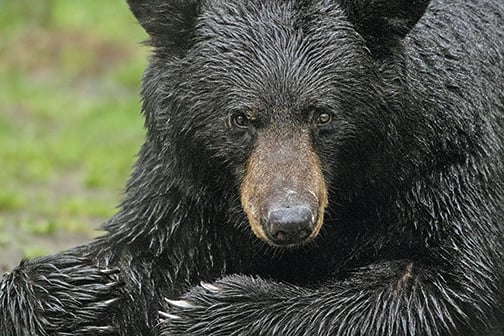
Minnesota’s black bear kill rises to largest total in over two decades
Minnesota’s 2026 bear season now ranks among the tops in state history, with the highest harvest totals in two decades.<br

South Lake balances panfish, pike, and big bass in Michigan’s Washtenaw County
Ten-inch redear sunfish aren’t what most anglers expect to find at the end of their line, but South Lake has
Michigan’s Outdoor Calendar
A look at upcoming outdoor-related events from across Michigan published in the Oct. 23, 2026 edition of Outdoor News.
