





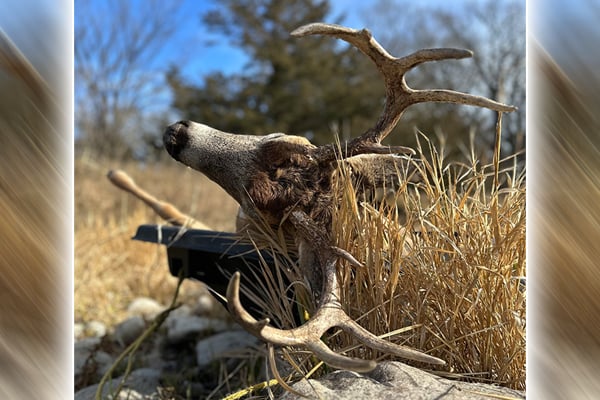
Minnesota’s deer harvest trending well ahead of 2025
Wildlife managers from the Minnesota DNR expected hunters would shoot more deer this year, and early harvest numbers this fall
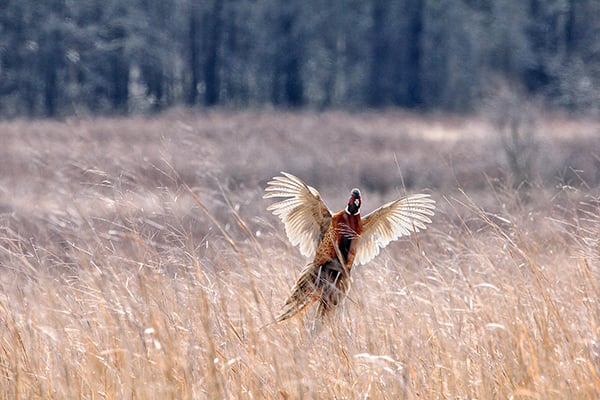
Commentary: The hardest shot in all of hunting
Wing shooting with a bow – taking flying game birds with arrows – is among the oldest and also the
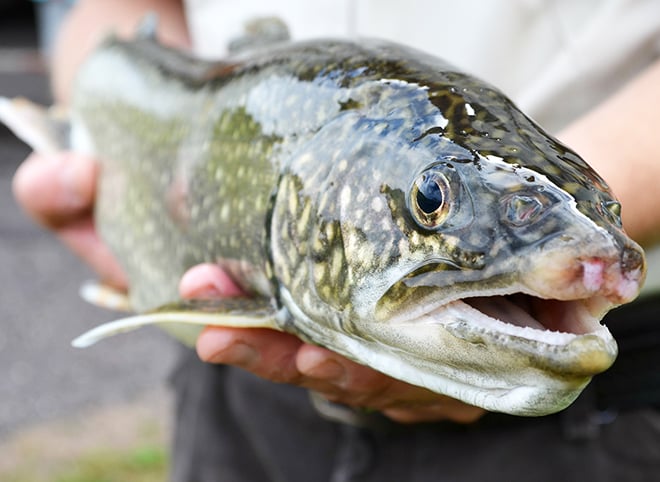
Minnesota DNR seeks feedback for potential changes to winter trout season
The Minnesota DNR is seeking feedback on potential changes to winter trout season dates.
Currently, the season has two
