




Commercial fishing for walleyes, trout proposed in Michigan bills
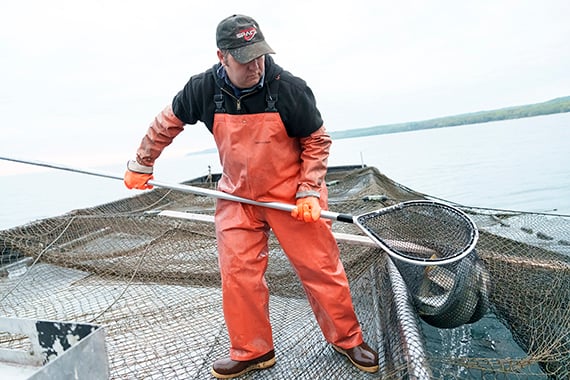
Lansing — Two bills introduced in the Michigan Legislature would expand commercial fishing rights on the state’s Great Lakes waters by allowing licensed commercial fishermen to harvest walleyes and certain trout species, a shift supporters say would modernize the industry while critics warn could threaten popular sport fisheries and ecosystem balance.
House Bills 5801 and 5802, introduced by Republican Dave Prestin and Democrat Jason Morgan, propose amendments to existing state fishing statutes to permit commercial take of the popular sport fish under specified conditions. Currently, Michigan’s commercial fishing is largely limited to species such as yellow perch and whitefish in certain waters. The proposed bills would add walleyes and trout – including lake trout and rainbow trout where present – to the list of species that may be commercially harvested with appropriate licenses and permits.
The measures have not gained traction. After being introduced April 16, they were immediately sent to the House Committee on Natural Resources and Tourism.
Supporters of the legislation, including commercial fishing groups and some lawmakers from northern Michigan districts, argue the bills recognize the evolving realities of the state’s fisheries and create new economic opportunities for small businesses and tribal and non tribal commercial operators. Proponents say regulated commercial harvest can complement recreational fishing by targeting overabundant populations in specific waters, improving fishery health and providing locally sourced protein to markets.
MORE COVERAGE FROM MICHIGAN OUTDOOR NEWS:
Ralph Loos: Friends and enemies of permit fee hikes both often miss the point
Michigan bill would require hunting, trapping season if wolves are federally delisted
Michigan deer hunters will face several regulation changes over next two seasons
The bills include language intended to limit effects on sport fisheries. Under the proposed framework, commercial harvest would require special permits and adhere to quotas, seasons, gear restrictions and reporting requirements set by the Michigan DNR. Supporters point to these regulatory controls and to the DNR’s scientific capacity as safeguards to ensure commercial take remains within biologically sustainable limits.
Opponents – including recreational anglers, charter operators and some conservation groups – have voiced strong concerns. They say walleyes are among Michigan’s most prized sport fish, supporting millions of dollars in tourism revenue and a large recreational angling community. Critics say permitting commercial take of walleyes and trout could reduce catch rates, alter age and size structure of important populations and undermine the state’s recreational fishing economy.
“This bill ignores a lot of very foundational principles about privatization of public resources,” argued Michigan Trout Unlimited director Bryan Burroughs, who said the proposal also “put us in lapse of our agreement with our tribal nations.”
Ecological concerns also loom. Scientists caution that while commercial harvest can be sustainable under strong management, the biology of walleyes and certain trout – including slower growth and later maturity compared with some other species — can make them more vulnerable to overharvest. Critics want to see explicit, science-based harvest thresholds, rigorous monitoring, and rapid management responses if populations decline.
Tribal governments have been engaged in related discussions, given treaty-protected rights and long-standing involvement in commercial and subsistence fisheries. Some tribal leaders have called for consultations to ensure any changes respect tribal sovereignty and existing agreements, while others see potential for partnership in co-management or economic development.
The legislative path for HB 5801 and HB 5802 will include committee hearings where DNR fisheries biologists, industry representatives, tribal officials and stakeholders are expected to testify. Lawmakers will weigh testimony, scientific assessments and economic analyses before advancing the bills to the full House and, if approved, to the Senate. If enacted, the DNR would be tasked with designing the permitting system, defining allowable gear and setting quotas and seasons in specific waters. That process could take additional rulemaking and public comment periods, giving stakeholders further opportunities to influence how the new authority would be implemented.
Public reaction has been mixed. In towns where commercial fishing has a longer tradition, residents tend to be more receptive; in inland lake communities that rely heavily on recreational walleye and trout fisheries, opposition has been more vocal. Online forums and social media have amplified both support and concern.
As HB 5801 and HB 5802 proceed, Michigan faces a familiar policy challenge: balancing economic opportunity for commercial fishers with protection of recreational fisheries and ecological sustainability. The outcome will hinge on whether lawmakers can craft and implement guardrails that maintain healthy fish populations while allowing limited commercial participation – and whether stakeholders can find common ground.
SUBSCRIBER CONTENT
Read this article now.
Create a free Outdoor News account.
Create a free account below to get instant access to this article, thousands of Outdoor News stories, and our digital editions. Your 1-month trial starts the moment you sign up.
No credit card required
No credit card required
Subscriber? Login Here.
Share on Social
Hand-Picked For You
Fishing regulations lifted on several northern Pennsylvania lakes
Another Maryland Master Angler recognized for 10 species of fish
Pennsylvania man is guilty of homicide in UTV, lake incident
Commentary: Minnesota Duck group responds to column about Citizen’s Conservation Advisory Council
Dan Small Outdoors Radio: Show 2142
Pennsylvania’s archery elk hunters do better than in previous years
Related Articles
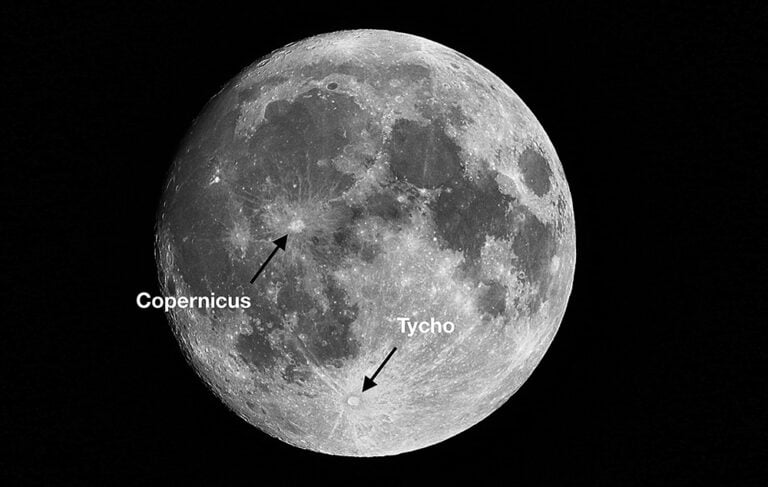
Star Watch: Naming the moon’s craters
What would you have to do to get a crater on the Moon named after you? First you would have
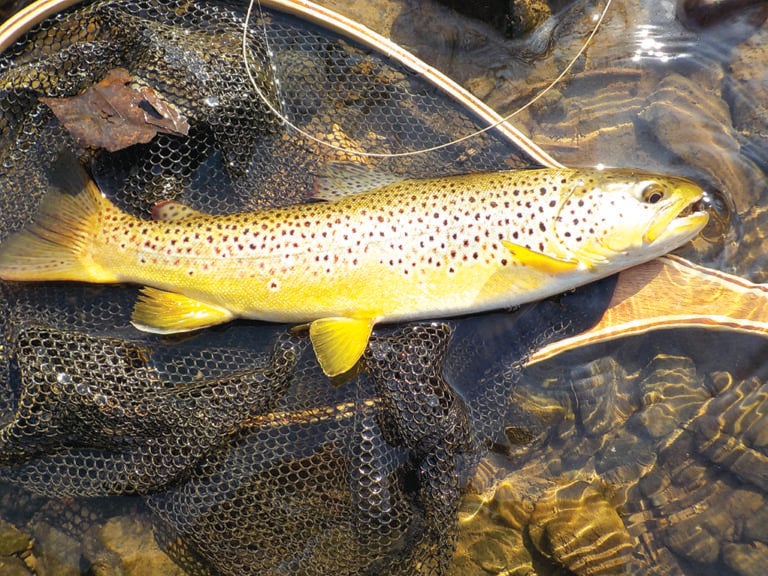
Fishing regulations lifted on several northern Pennsylvania lakes
The Pennsylvania Fish & Boat Commission is alerting anglers that effective immediately, a temporary change in regulations has been enacted
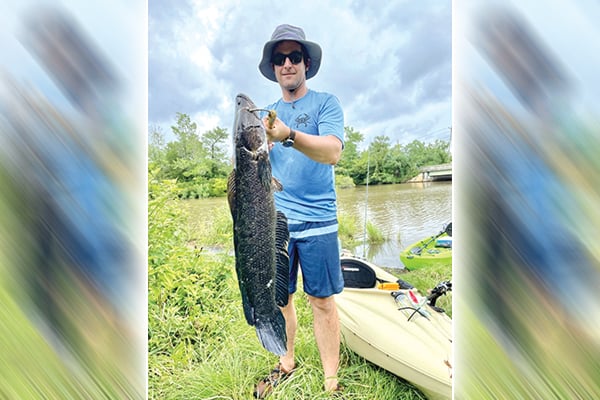
Another Maryland Master Angler recognized for 10 species of fish
Jason Koontz, of Frederick, has earned a Master Angler Milestone Award under the Maryland Department of Natural Resources’ FishMaryland program.
