




Home » National News » Conestoga named Pennsylvania’s 2026 River of the Year
Conestoga named Pennsylvania’s 2026 River of the Year
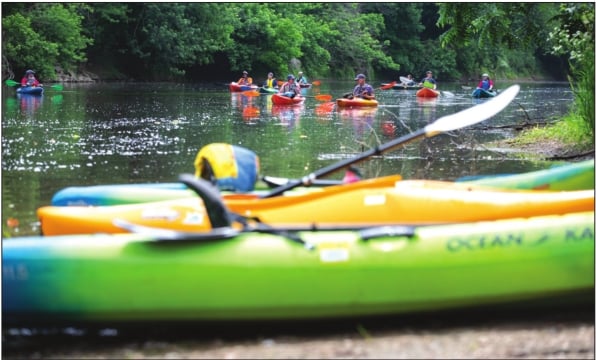
Lancaster, Pa. — Department of Conservation and Natural Resources Secretary Cindy Adams Dunn visited Lancaster County on June 10 to recognize the Conestoga River in southeastern Pennsylvania as Pennsylvania’s 2026 River of the Year.
“The Conestoga River is a great example of what can happen when we prioritize clean, healthy waterways – making its selection as Pennsylvania’s 2026 River of the Year a very well-deserved honor,” she said.
“The Conestoga River Club and its volunteers have done amazing work to steward this river, and the river has become a hub for outdoor recreation. Thank you to the staff and volunteers for the conservation work on the Conestoga, which has provided an economic boost to the region and helped demonstrate that rivers build thriving communities.”
The Conestoga flows for more than 61 miles, from its headwaters in Berks County down to the Susquehanna River below the Safe Harbor Dam. It threads past historic covered bridges, working farms and small towns – a living landscape of culture, recreation and history that belongs to all of us.
The public selected the Conestoga as River of the Year, which beat out the Lower Schuylkill River and the Chillisquaque Creek.
MORE COVERAGE FROM PENNSYLVANIA OUTDOOR NEWS:
Deadly screwworm is spooking Pennsylvania’s animal officials
Lawmakers spar over Pennsylvania Game Commission employee controversies
Schuylkill River is Pennsylvania’s first National Water Trail
The Pennsylvania Organization for Watersheds and Rivers, managed by the Pennsylvania Environmental Council, oversees administration of the vote and works in collaboration with DCNR.
“The River of the Year program continues to engage communities across Pennsylvania by highlighting the unique stories and value of our waterways,” said Tom Gilbert, president of the Pennsylvania Environmental Council.
“We are happy to celebrate the Conestoga River today for its rich history, its importance to local communities, and the ongoing efforts to restore and protect this vital resource for future generations.”
The Conestoga River Club nominated the Conestoga River and received a $15,000 Leadership Grant to help fund a slate of year-long 2026 River of the Year activities. DCNR will work with the group’s members to create a free, commemorative poster celebrating the Conestoga River as the 2026 Pennsylvania River of the Year.
“We are fortunate to have this year’s River of the Year event take place during the 10th annual Lancaster Water Week to help elevate the value water brings to the county,” said Conestoga River Club Executive Director Malinda Harnish Clatterbuck.
“Having the Conestoga River selected as the 2026 River of the year is an honor that celebrates a history woven into the fabric of life in Lancaster County. As a club, we are committed to stewarding the Conestoga and keeping it clean and clear for all.”
One of Lancaster County’s most scenic waterways, the Conestoga is a popular spot for canoeing, kayaking, tubing, and fishing.
The Conestoga River Watershed covers hundreds of square miles and drains a mix of agricultural lands, towns, and growing suburbs – which means both rich heritage and real restoration challenges the Conestoga River Club actively manages.
The Conestoga River is vital to the health of Lancaster City, according to Lancaster City Mayor Jaime Arroyo.
“We thank the Department of Conservation and Natural Resources and the Pennsylvania Organization for Watersheds and Rivers for highlighting the value of this important waterway,” he said.
The Conestoga River Club is dedicating the 2026 River of the Year victory and celebration to those who will benefit from the future health of the watershed, and to the memory of Ad Crable, a revered local journalist and environmentalist, who championed the careful stewardship of the Conestoga.
“The Conestoga River is vital to Pennsylvania communities – providing water for families, farms and businesses and supporting recreation across the region,” said EPA Mid-Atlantic Regional Administrator Amy Van Blarcom-Lackey.
“Each improvement in the Conestoga watershed strengthens local streams, restores habitat, reduces sediment and flood impacts, and delivers benefits people can see close to home and downstream in the Chesapeake Bay. This progress is possible because of strong partnerships with the commonwealth and local advocates like the Conestoga River Club.”
SUBSCRIBER CONTENT
Read this article now.
Create a free Outdoor News account.
Create a free account below to get instant access to this article, thousands of Outdoor News stories, and our digital editions. Your 1-month trial starts the moment you sign up.
No credit card required
No credit card required
Subscriber? Login Here.
Share on Social
- Tags: Fishing, Nature, Pennsylvania
Hand-Picked For You
Illinois DNR survey captures first blue cat in Carlyle Lake
Illinois’ Outdoor Calendar
Illinois Cuffs & Collars: Illegal minibike at William Powers State Park
B.A.S.S. to keep technology format for 2027 Elite Series
Illinois anglers dominate Florida bass tournament field
Wisconsin’s Outdoor Calendar
Related Articles

Illinois DNR survey captures first blue cat in Carlyle Lake
The southern Illinois reservoir continues to produce a strong crappie fishery. DNR’s 2025 survey produced 26 crappies per hour, with
Illinois’ Outdoor Calendar
A look at upcoming outdoor-related events from across Illinois published in the Oct. 2, 2026 edition of Outdoor News.

Illinois Cuffs & Collars: Illegal minibike at William Powers State Park
Illinois cuffs and collars are field reports from Conservation Police Officers. These reports are from the Oct. 2, 2026 edition
