




Home » Home Page News » Commentary: MN-Fish position statement on proposed walleye limit reduction in Minnesota
Commentary: MN-Fish position statement on proposed walleye limit reduction in Minnesota
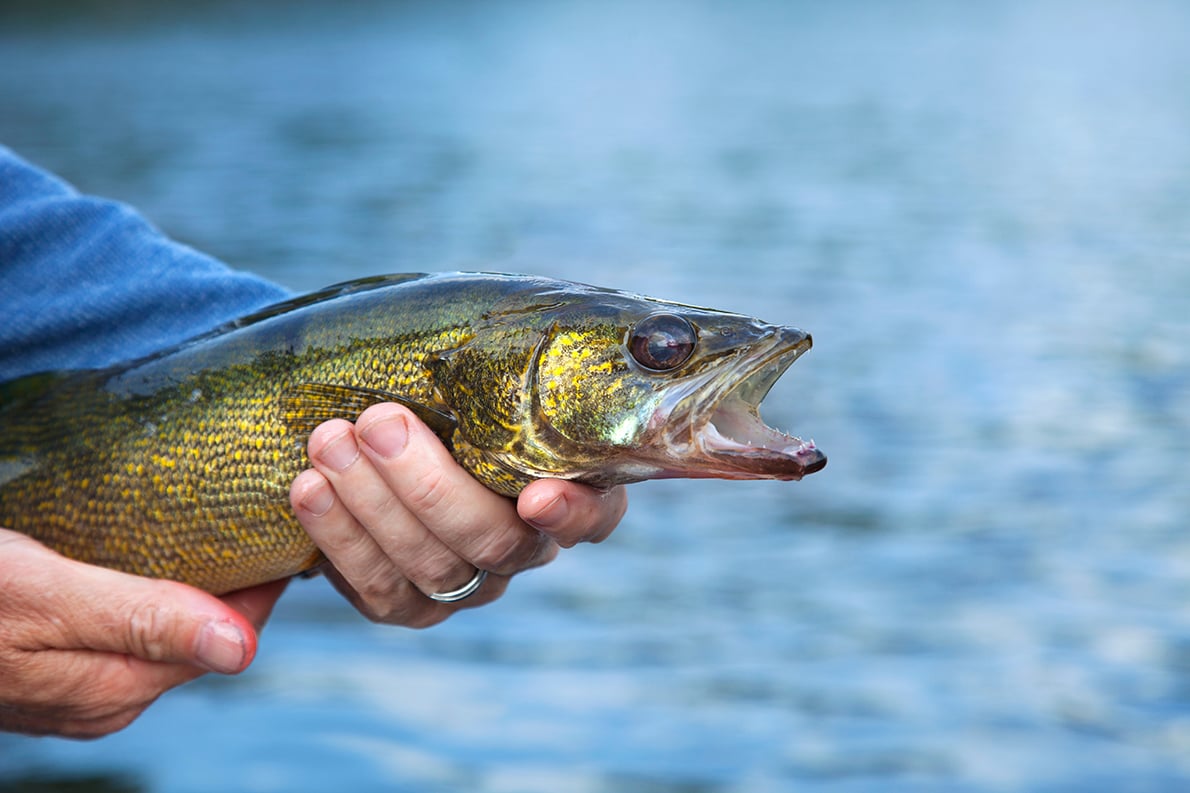
Minnesota’s sportfishing organization – MN-FISH – will not support or oppose a statewide change in the state’s walleye harvest limit from 6 to 4.
The decision by the MN-FISH board to remain neutral reflects frustration with the proposal. The organization does not believe the proposed four-fish limit on its own will have a substantial effect on walleye populations or angler success.
While four feels better than six, the Minnesota DNR has not articulated clear objectives or measurable impact, nor has it proposed to increase management. MN-FISH is concerned that a limit change unintentionally will mislead state anglers into believing walleye fishing will improve without increased management.
We understand and generally support what the DNR is saying about the current and future challenges for walleye management. In proposing the limit reduction, DNR officials said the change to a four-fish limit would help preserve walleye fishing and protect walleye populations. However, the DNR has not provided any biological explanation why the proposed limit change would make a difference in anglers’ walleye fishing success.
MORE FISHING COVERAGE FROM OUTDOOR NEWS:
Minnesota DNR maintains 3-walleye bag limit for open water on Mille Lacs in 2026
Trout have a fatal attraction for ‘fuzzy’ flies
The evolution of legendary Minnesota angler John Peterson
DNR fisheries managers have demonstrated that harvest limits and size restrictions can have a positive effect on lakes when coupled with increased management efforts. We’re seeing this on most of the state’s largest walleye fisheries. Management of these waters has been impacted minimally by restraints of the DNR’s recent budgets.
That is not true for the other state waters, however. The DNR’s proposal to apply the same management principles to these waters without the same level of increased management effort feels hollow.
Since 1998, when state voters passed the “right to hunt and fish” constitutional amendment, Minnesota anglers have had the individual right to go fishing. They also have the expectation that the state will manage its fisheries to maintain or improve the fishing experience for Minnesota anglers. The proposal limit reduction does not, on its face, meet that standard.
Nonprofit MN-FISH Sportfishing Foundation and Coalition was created in 2018 to bring the voice of state anglers into the process of managing our fisheries resources with an objective of improving fishing throughout Minnesota.
MN-FISH Coalition President Dave Osborne said DNR has not made any commitment to increase walleye management on all lakes except to lower walleye limits. In fact, management on hundreds of state lakes has decreased over the last several years as DNR fish management budgets continue to tighten and don’t buy what they did a decade ago.
“It’s time for Minnesota to make a commitment to rebuild our fisheries management capabilities, apply ‘individual lake management’ and try to improve fishing. Otherwise, we will continue to get more of the same,” said MN-FISH Sportfishing Foundation President Ron Schara.
“Our concern is that reducing our harvest rights while not providing any additional management feels like ‘managing expectations down’ and not an effort to improve fishing,’’ Schara said.
To support the four-walleye limit, MN-FISH is asking DNR to outline an aggressive walleye management program which includes increased stocking, increased angler creel surveys and lake assessments, and commit to individual lake management.
At our February meeting the MN-FISH board released several steps the state needs to rebuild its fisheries management:
• Increase lake survey assessments: Fish population surveys are the primary tool used by managers to understand what is happening in individual lakes. Because of the dynamic nature of lakes, surveys must be done every three to four years to be accurate. While the big lakes receive regular population assessments, survey frequency on the rest of our public lakes have significantly decreased in recent years. Many are now conducted only every 8 to 10 years, some even longer.
• Creel surveys are expensive and not every lake needs a creel survey but regionally they provide an understanding of changing fishing pressure and success. With today’s technology we should be able to create an interactive creel survey program/app that provides fisheries managers with real time usable data.
• Stocking rates: The bulk of these lakes where this new regulation is proposed are on lakes that are regularly or wholly stocked. The stocking rate on these lakes must increase along with continued research and experimentation to find the right formula to improve Minnesota fishing.
• Stunted northern pike: Hundreds of state lakes are filled with overpopulations of small pike that decrease walleye stocking success and natural walleye recruitment. Efforts to combat the issue have been largely ineffective. The state needs to develop new approaches to combat this issue.
• Invasive Aquatic Plant Management/Aquatic Plant Management Permitting: MN-FISH believes these two programs, that are similar but managed differently within the DNR, need a programmatic and operational management review. Decades of applying harmful chemicals into our lakes with the objective of controlling lake weeds needs to be updated to: Ensure chemical safety, assess impact on fish health and habitat, review permit and non-permit compliance, and include native plant restoration as part of the permit process.
• Technology: With the rapid growth of technology used by anglers, a deeper understanding of the impacts on state fisheries is needed, particularly when it comes to walleyes, as well as panfish and muskies.
• Barotrauma: Anglers believe catch and release is generally a good tool for conserving fisheries, however, it can be detrimental when anglers are targeting fish holding in deep water where the effects of barotrauma can significantly reduce survival rates of released fish. MN-FISH proposes the state launch of an education program to increase angler understanding of barotrauma, the depths at which it becomes an issue, and why catch and release may lead to overharvesting some fisheries.
‘’The proposal to reduce the walleye limit should serve as a wake-up call to the threats facing state fisheries,” said Steve Pennaz, MN-FISH board secretary. “Anglers/boaters contribute $6.6 billion annually to our state’s economy, generating hundreds of millions of tax revenue for the state. Currently, the state reinvests none of those dollars back into our fisheries. Clearly, we need to change that.”
If the decision is made to reduce the statewide walleye limit from 6 to 4, MN-FISH asks the DNR and Explore Minnesota to launch an aggressive marketing campaign to accompany it. This campaign should reinforce that the limit reduction is a proactive decision made to ensure Minnesota remains one of the best walleye fishing destinations in the world.
Mark Holsten is the Executive Director of MN-FISH.
SUBSCRIBER CONTENT
Read this article now.
Create a free Outdoor News account.
Create a free account below to get instant access to this article, thousands of Outdoor News stories, and our digital editions. Your 1-month trial starts the moment you sign up.
No credit card required
No credit card required
Subscriber? Login Here.
Share on Social
Hand-Picked For You
Pro Fishing Tip of the Week: Catching fall giants on Mississippi River waters in Minnesota
Minnesota’s statewide fishing and hunting report on Oct. 21, 2026
Rare melanistic gray fox photos from Michigan reveal a wildlife marvel
MN Daily Update: No three-bird, splash-duck bag limit option for Minnesota waterfowlers
Minnesota’s deer harvest trending well ahead of 2025
Minnesota DNR seeks feedback for potential changes to winter trout season
Related Articles
Outdoor Insights: Time to raise Minnesota fishing license fees for nonresidents? And more election season thoughts
Quick comments on a few stories that have appeared in the news recently.
A buddy’s post on social media
Pro Fishing Tip of the Week: Catching fall giants on Mississippi River waters in Minnesota
We guide exclusively on the Mississippi River and the tributaries. The Mississippi is my favorite water body, and choosing between
Minnesota’s deer harvest trending well ahead of 2025
Wildlife managers from the Minnesota DNR expected hunters would shoot more deer this year, and early harvest numbers this fall

1 thought on “Commentary: MN-Fish position statement on proposed walleye limit reduction in Minnesota”
It is time to lower the limit on walleyes from 6 to 4. None of our border states of Wisconsin, Iowa, South Dakota, and North Dakota have a daily limit of 6. I hired a guide with a friend to fish Winnie for walleyes. We caught and kept 18 fish that day using the guides forward facing sonar. It is the same principal as using drones to shoot a 10 point buck. If we didn’t have the new sonar we probably would have caught and kept a third of the number that we caught. With the new technology and increase pressure of portable houses in the winter we have to conserve more out takeout fish.