




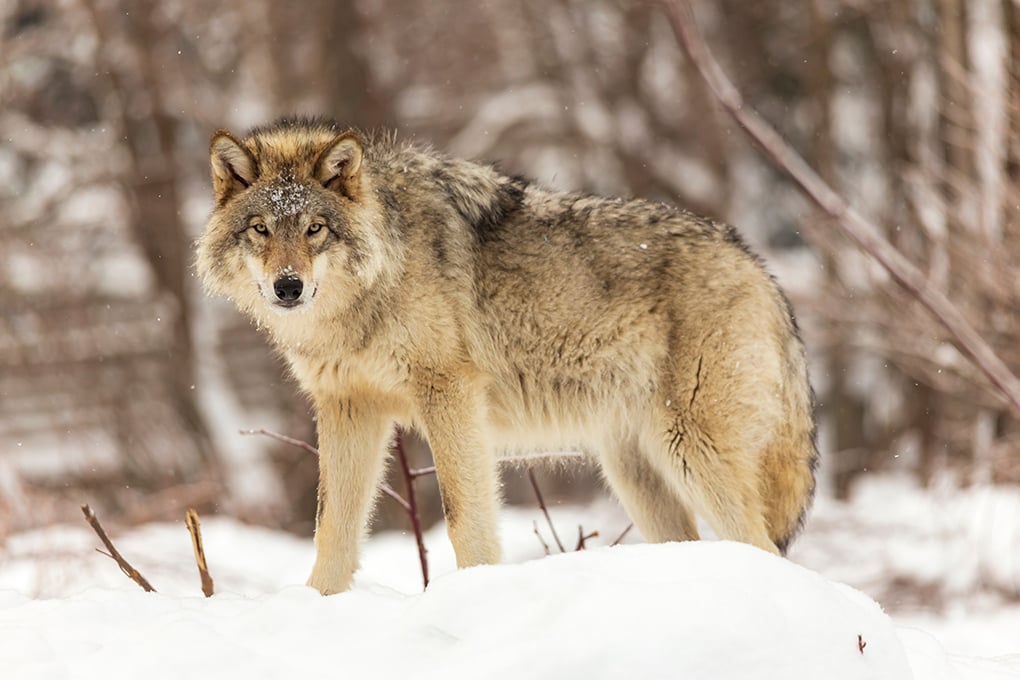
Opportunistic. That best describes how most animals feed. While carnivores certainly will work a kill for dinner, if they can find an easier meal source from people, they’ll take it – again and again and again.
Apparently that’s what happened on Isle Royale National Park this summer, and in the end it resulted in the demise of a wolf there. The remote island, which is 45 miles long and 9 miles wide, rests in Lake Superior about 55 miles northwest of the Keweenaw Peninsula’s Copper Harbor. It’s accessible only by boat or sea plane.
 Isle Royale is home to the longest running predator/prey study of wolves and moose in the world. The study, led by researchers from Michigan Technological University in Houghton, began in 1959 and continues today.
The rugged wilderness archipelago also is popular with backpackers, hikers, kayakers, and canoers.
According to the National Park Service, which manages the popular Lake Superior island, park managers became concerned this summer when they realized that a pair of wolves had become habituated and were stealing and eating human food from backpackers in the wilderness.
“The wolves were repeatedly sighted in campgrounds and developed areas, exhibiting signs of habituation and a reliance on human food sources,” NPS said in a release. “For example, wolves were seen dragging away food storage bags and backpacks at numerous campsites. Despite proactive management efforts, including aversive conditioning, changes in waste management practices, and implementation of food storage regulations, these wolves continued to display escalating boldness around visitors, campsites, and staff housing areas.”
MORE COVERAGE FROM MICHIGAN OUTDOOR NEWS:
Michigan waterfowl numbers appear down from 2024
Researchers discover 62-year-old ‘Mary Catherine’ — the oldest known lake trout in the Great Lakes
Mike Schoonveld: The ‘Secret Weapon Rig’ is not so secret, but it really catches fish
Earlier this month it got so bad that park officials resorted to lethal measures and killed one of the wolves. The loss is not expected to affect the ongoing research. It’s the first time a wolf has had to be lethally removed during the longtime island study.
“Our priority remains the safety of park visitors and staff, and the protection of wildlife in their natural state, including our objective to maintain a wild wolf population” Isle Royale Superintendent Denice Swanke said in a statement from NPS. “While lethal removal is deeply unfortunate, it became necessary due to a growing public safety risk. All who appreciate and enjoy Isle Royale National Park need to understand the importance of adherence and vigilance to food storage regulations and our collective role in minimizing negative human-wildlife interactions.”
Those planning to visit Isle Royale are reminded to follow the strict food storage rules and use the food and backpack storage areas available throughout the island.
SEVERAL NEW BILLS HAVE BEEN INTRODUCED IN Lansing that could affect hunting. We’ll keep a close eye on them and let our readers know if any of them move out of committee and gain traction for a floor vote in the Legislature.
• In the state House, HB 4191 would create a deer baiting license for private property.
• SB 065 is a Senate version that also would create a deer baiting license for private property.
• HB 4206 would create a free antlerless deer license with the purchase of a base license.
• HB 4044 would designate the wood duck as the official duck of the state of Michigan.
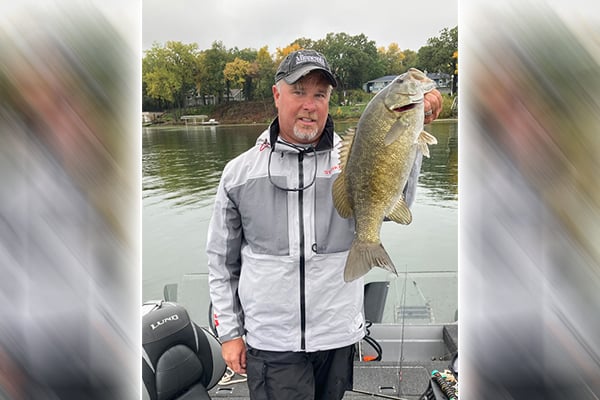
Three tactics to take advantage of this early fall smallmouth bite
It is that special time of the fishing season when summer and fall merge. There’s give and take, compromise, and

A ‘Bronx’ tale from a memorable day fishing
“Bronx is eaten up with fishing! You should come see for yourself.” My brother, Curt, was not describing the angling
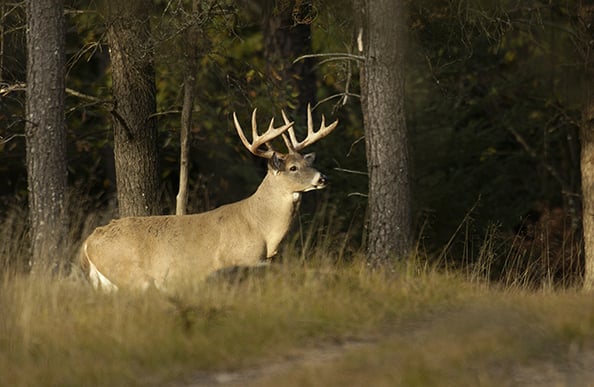
Wisconsin DNR reviews CWD, EHD situations as fall hunting seasons get going
The Wisconsin Natural Resources Board (NRB) received updates on the two biggest white-tailed deer health concerns – chronic wasting disease

1 thought on “Outdoor Observations: Isle Royale wolf euthanized after showing a reliance on human food sources”
I understand there is, on rare occasion, the need to euthanise a wild animal. But I am still a bit mystified why the wolf wasn’t relocated rather than killed. I wonder why the invaders, us, are being allowed to determine the fate of whether the original inhabitants, the wolves, should live or die. After all, they were here first. And wasn’t it the fault of humans in the first place, leaving food where the wolves could smell it? Shouldn’t more be being done to educate campers on proper food hygiene so they aren’t setting the wolves up for becoming dependent of human food in the first place? Again, the wolf was not at fault here. It became dependent on human food because WE LET IT.