


Harrisburg — It’s no secret that Pennsylvania is home to more than 83,000 miles of rivers and streams and thousands of lakes and ponds – most of which are excellent places to go fishing for species such as perch, walleye, bass, and trout.
However, what might be lesser known are the diverse opportunities to enjoy the sport in Pennsylvania’s state parks and forests. In fact, 101 of the 124 state parks and all 20 state forests have bodies of water open for angling.
And the state Department of Conservation and Natural Resources is working hard to enhance those experiences.
For instance, DCNR benefits from a longstanding partnership with the Pennsylvania Fish & Boat Commission’s Habitat Improvement Program. Jack Hill, Natural Resource specialist within DCNR’s Bureau of State Parks, says it “helps them accomplish so much more than they could do individually.”
Hill says that Fish & Boat Commission staff provide design services and construction oversight, while both agencies contribute funding, equipment, and personnel to construct the projects.
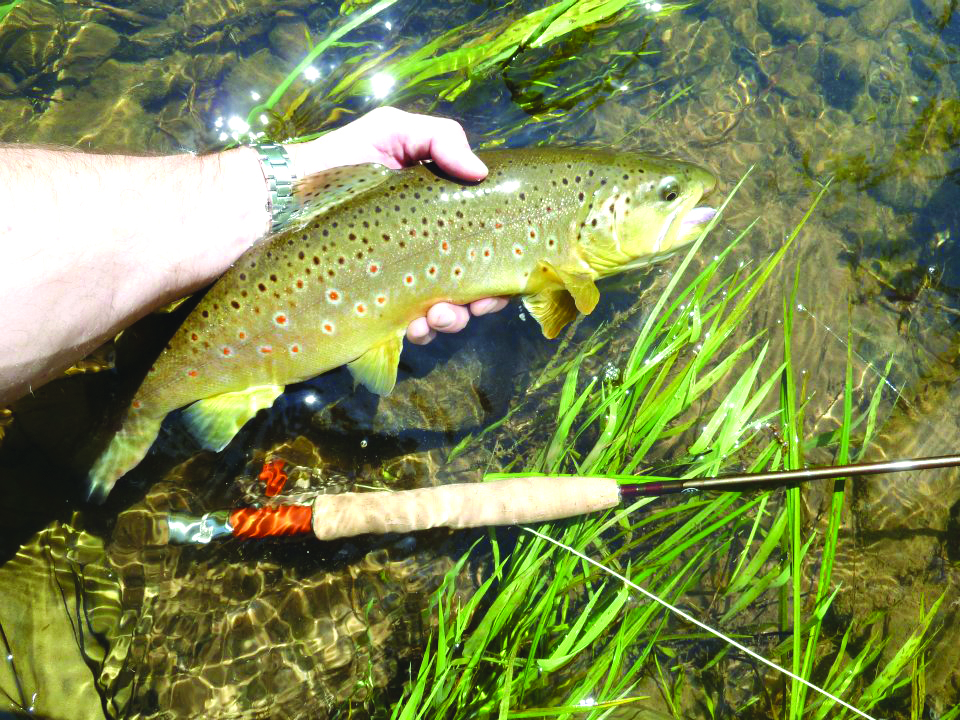
Each year sees 10 to 12 projects completed within state park and forest streams and lakes, resulting in hundreds of new shoreline, in-lake, and stream habitat features.
“These projects enhance angling opportunities by providing cover and feeding opportunities for fish, stabilizing eroded banks, and increasing access to fishable waters,” Hill said.
For instance, at Blue Knob State Park in 2020, DCNR and the commission added woody material and rocks to Bob’s Creek to improve trout habitat. The next phase will involve stabilization of the eroded streambank.
At Prince Gallitzin State Park, a long-term project between the two agencies and the Cambria County Conservation District has led to a significant amount of shoreline stabilization and in-lake habitat projects that benefit angling.
The list of projects goes on and on, with others at Kings Gap, Reeds Gap, Jacobsburg, and other state parks across the commonwealth.
Hill notes that DCNR also works with many organizations such as the Pennsylvania Parks and Forests Foundation Friends groups, Trout Unlimited, the Western Pennsylvania Conservancy, and local watershed groups, among others.
Efforts by these local partners assist DCNR in protecting and enhancing aquatic resources, providing funding mechanisms, improving habitat, and increasing angling and water-related recreational access opportunities.
Moreover, they work closely together to restore streams and lakes impacted by mine drainage, eliminate barriers that restrict movement of fish and other aquatic life, and reduce impacts caused by invasive species.
If you are looking to get to these newly enhanced angling areas, you are in luck. With more than 2,000 miles of dirt and gravel roads criss-crossing Pennsylvania’s state parks and forests, including more than 500 stream crossings in some of the most pristine forest land in the commonwealth, there are plenty of ways to access great fishing opportunities.
According to Marty Lentz, manager of the Dirt and Gravel Road Maintenance Program within the state Bureau of Forestry, road conditions may vary.
“Some are used for industrial operations such as timber harvesting or mineral development – so users should be cautious and alert to potential hazards,” he said.
“Users should also be aware that the maximum speed on these roads is 25 mph.”
Public-use maps, available on DCNR’s website, show the locations of these state forest roads.
When a road crosses a stream, a bridge or culvert is required. If culverts are installed improperly or sized too small, they can negatively impact stream habitat.
That is why DCNR designs these stream crossings to manage for all species in the aquatic community through aquatic organism passages..
“These passages allow species such as reptiles, amphibians, and fish to access suitable spawning and feedings areas, allowing the species to thrive,” said Nate Reagle, former ecologist within the Bureau of Forestry.
He added that DCNR is also prioritizing and replacing inadequate stream crossings, particularly those that impact naturally reproducing trout streams.
Some of the best trout streams in Pennsylvania are located within state forests, so this effort is essential.
Fishing is an outdoor recreational activity that anyone can do and enjoy. That is why Pennsylvania Parks and Forests Foundation is working with DCNR to provide more inclusive angling opportunities.
In recent years, the foundation has placed or upgraded Americans with Disabilities Act accessible fishing piers at Goddard, Ricketts Glen, Tobyhanna and Gouldsboro state parks, with more on the list, pending funding.
These docks allow individuals in wheelchairs and motorized scooters to fish alongside their friends and family, enhancing bonds while benefiting from healthy outdoor activity.
In addition, Pennsylvania Parks and Forests Foundation and some of its Friends Group chapters have placed accessible canoe and kayak launches, which enable anglers to access the water.
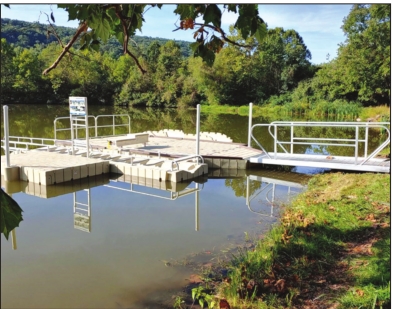
These launches can be found at Beltzville, Nockamixon, Little Buffalo and Laurel Hill state parks. You can help support future ADA dock and launch construction through a donation to Pennsylvania Parks and Forests Foundation.
“The opportunities to fish within Pennsylvania state parks and forests are abundant and available to everyone, regardless of income, skill level, and mobility,” said Marci Mowery, president of the foundation.
“We encourage anglers – from novice to expert – to give fishing on public lands a try. Once you do, we hope you will become a champion for these resources.”
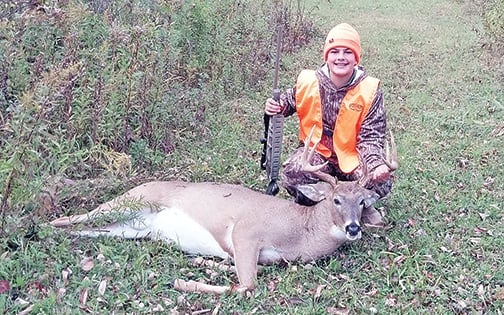
New York’s youth deer hunters, mentors enjoy solid weekend
During what was likely one of New York’s most celebrated youth big game hunting weekends yet, hunters and mentors alike
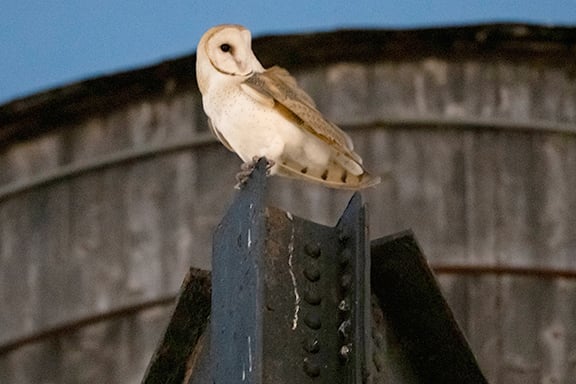
A rare family of barn owls moved into Manhattan’s Upper West Side
Manhattan’s Upper West Side has been reveling in the company of its latest celebrities: A family of barn owls nested
Yellowstone receives record $105 million gift for infrastructure, conservation, access
Yellowstone National Park and Tallgrass, a Colorado company building an AI power hub near Cheyenne, have launched a $105 million
