




Other than in the dead of winter, there’s seldom a time when an outdoor-oriented person doesn’t have to be concerned about insect pests. I’ve been assaulted by mosquitoes, ticks, biting flies and other tiny flying pests just about any time the daytime temperature gets much above 50 or 60 degrees.
Usually, the peak pesky-insect season in southern Michigan runs from early April through early June. Activity tapers off in late June and July, then seems to perk up again in late September and continues through Indian Summer in late October or early November.
 Northern Michigan is similar, though the bugs may start a week or two later and end a week or two sooner.
Those peaks are mostly temperature-dependent but also influenced by moisture.
Dormant insects often come to life a couple of days after a moderate rain, then diminish as dry weather persists. In general, spring is Michigan’s wettest season, summer is drier and autumn brings wetter weather once again.
It’s not always that simple, especially during summers when much of the precipitation comes from heavy thunderstorms. Still, it’s enough of a general trend that outdoorsmen and women know insect pests can disrupt just about any outing.
I don’t have any science-based information predicting what the rest of this summer and fall will bring, but a lifetime outdoors tells me to be extra-prepared this year. Precipitation has been greater than normal over much of Michigan, and insect pests have been abundant where I’ve been.
They’ve diminished recently, but the insects that had us slapping and spraying a few weeks ago were mating and laying eggs. If – and probably when – the rains increase, I expect another hatch. When I’m planning a late-season hunting trip, a fall mushroom hunt or a fishing trip on the Great Lakes or inland waters, insect repellent will again be packed along with the rest of my gear.
It used to be easy. A chemical called DEET had been invented before I was born and has proved to be a pretty good insect repellent all my life. I’m sure there were plenty of organic and chemical repellents before DEET, ranging from somewhat effective to pure “snake oil,” but none worked nearly as well.
RELATED STORY:
DEET is still the most-used repellent and remains the best choice for many insect pests. There are some of the “organic” repellents – citronella, herbal essences and a few snake-oil concoctions advertised as being better than DEET. None compare to DEET in my book, but they’re still being promoted.
I got a pop-up ad while online for a DEET-free repellent containing oils from 10 different kitchen spices, including cinnamon, lemongrass and thyme. Sounds tasty, at best, but I won’t be heading to a blind for early-season teal without my DEET spray.
DEET is broad-spectrum and excels at repelling mosquitoes. One pest it doesn’t work well against is biting flies like stable flies on land or the ankle-fly variety that swarms boaters on the Great Lakes. Though thought of as a summer pest, biting flies can persist well into fall, so I keep a spray bottle of picaridin-based repellent aboard my boat.
Picaridin (affiliate link) is to biting flies what DEET is to mosquitoes.
Tick relief necessary
I’ve never had as many problems with ticks in the fall as I do in spring during morel and turkey seasons. That doesn’t mean ticks disappear in autumn. They’re still active, still feeding and still capable of transmitting tick-borne diseases. Have you ever shot a deer covered with ticks? I have. I’ve also caught coyotes on my fall trapline that were carrying ticks.
Both DEET and picaridin products are advertised as tick repellents, as are some of the essential-oil products now on the market. But when ticks are the primary concern, I take an additional precaution: treating my boots and pants – and perhaps my ground blind – with permethrin (affiliate link).
Permethrin isn’t overly toxic to humans when used properly, though it can cause skin irritation or other reactions when sprayed directly onto skin. Applied to outer clothing, it helps keep ticks from crawling across the fabric and reaching your skin. Better yet, if a tick grabs onto your pant cuff while you’re hiking, the permethrin can kill it.
End of summer isn’t the end of insect-pest season. When heading afield this fall, be prepared. Bring the right repellent for the pest you’re most likely to encounter and spend more time enjoying the outdoors and less time slapping, scratching and swatting.
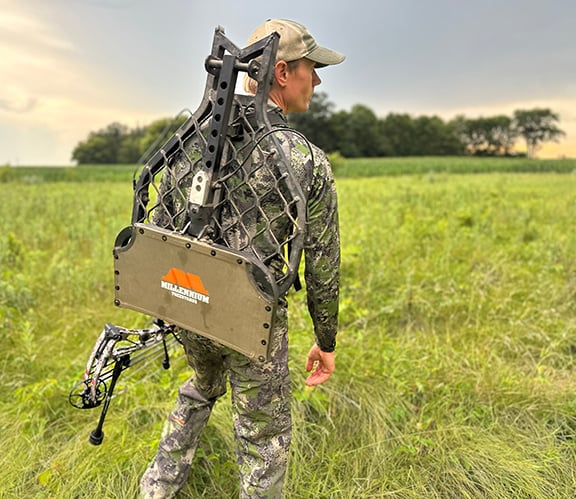
Attention to detail crucial in early bow season
No rut, no rifle, welcome to early bow season. There are far more deer on the ground than when many
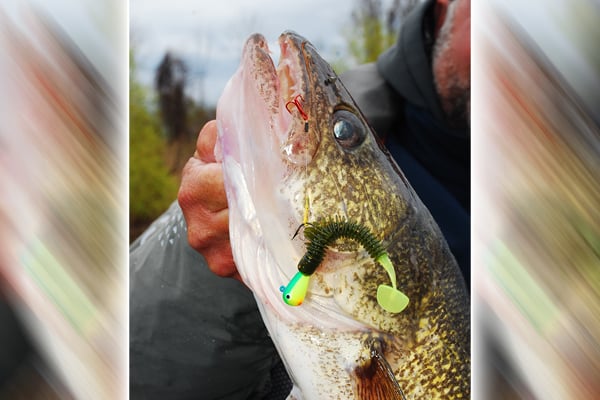
WI Daily Update: Big fish are moving shallow; here’s how to target them
According to “Mr. Walleye” Gary Roach, those big fish that spent the summer in deep water are moving shallow now.
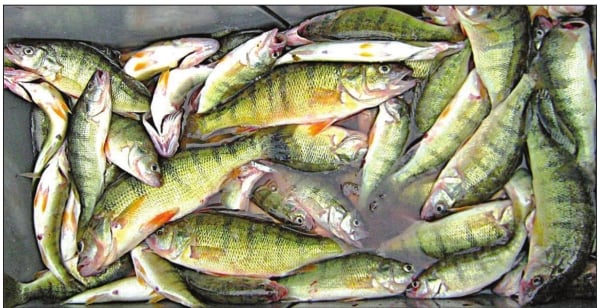
Perch anglers scarce on Lake Erie’s basins
Beginning in April, Lake Erie’s walleye catch rates have been as good as most anglers, including charter captains, have ever
