




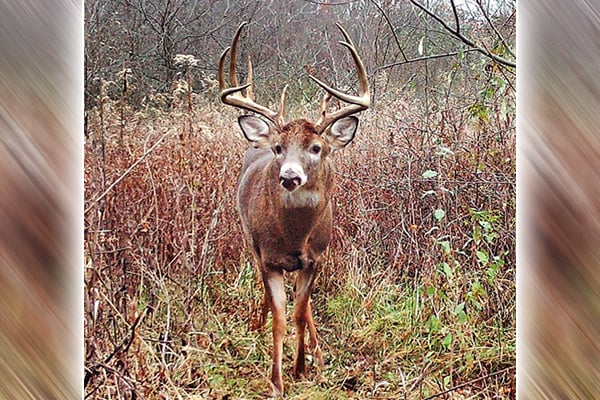
Rifle seasons opening soon in New York’s Northern Zone
Deer season in greater upstate New York kicks in another notch when the week-long Northern Zone early muzzleloading season begins
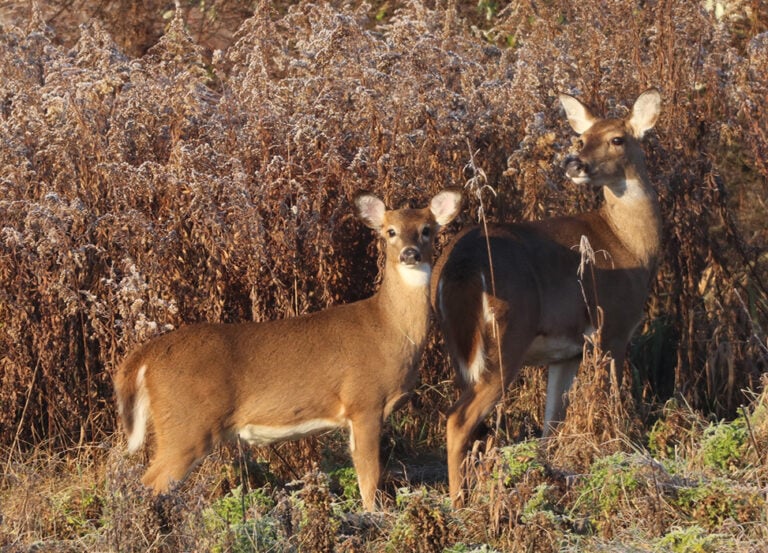
MN Daily Update: Youth, antlerless-only deer seasons coming up Oct. 15-18
Minnesota’s statewide youth deer season and early antlerless-only season in certain deer permit areas in the state both run Oct.
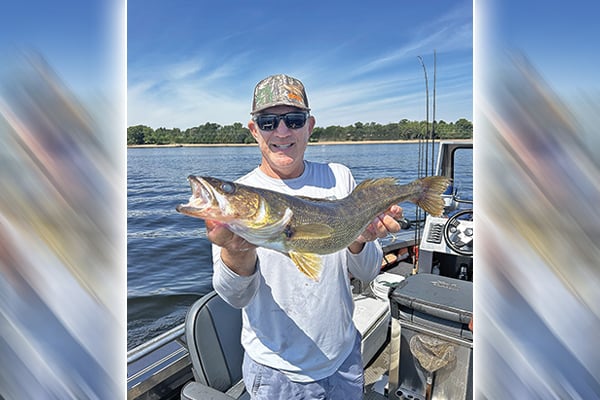
What’s the exact right trolling speed? Match it to water temperature and fish metabolism
Nobody thinks twice when Canada geese start flying south in the fall or head back north in the spring. Seasonal
