





Silver Bay, Minn. — Gooseberry Falls State Park took first place in voting for best state park in the USA Today 10BEST Reader’s Choice Awards. Over four weeks, people throughout the U.S. voted on the 20 best state park nominees, which were selected by a panel of USA Today editors and subject matter experts.
“Gooseberry Falls is an iconic example of the incredible natural spaces that make Minnesota a great place to live and visit. Our public lands and waters are truly special, and it’s gratifying that people across the nation agree,” said DNR Commissioner Sarah Strommen.
Established in 1937, the park has been the most-visited state park in Minnesota for seven of the last 10 years and has averaged more than 760,000 visitors per year during that time.
The park’s unique Upper, Middle and Lower falls are a must-see year-round. With more than 20 miles of hiking trails, the park offers routes for all skill levels. Visitors can wander through cedar and spruce forests, follow the Gooseberry River to Lake Superior’s rocky shore, or take the Gitchi-Gami State Trail for a scenic bike ride.
Located just a few miles northeast of Two Harbors, Gooseberry Falls State Park is a perfect stop on a North Shore road trip – or a destination in its own right. Visit www.mndnr.gov/gooseberry for more info.
MORE COVERAGE FROM MINNESOTA OUTDOOR NEWS:
Spring wildfires reshaping northern Minnesota forest habitats
Minnesota DNR, license agents prepare for June 9 launch of electronic licensing system
Southern Minnesota fawn study enters its final year
REMINDER TO BE BEAR-WISE THIS SUMMER
St. Paul — The DNR reminds hikers, campers and anyone else enjoying outdoor recreation to learn how to prevent conflicts with bears. Black bears are naturally cautious animals that typically avoid human contact for their own safety; however, it’s important to be proactive to prevent human-bear conflicts.
When recreating, follow these six outdoor BearWise Basics: Stay alert when hiking. Pay attention to your surroundings and keep kids within sight or close by. Leave no trash or food scraps. Double bag food when hiking and pack out all food and trash. Don’t burn food scraps or trash in a fire ring or grill. Keep dogs leashed and don’t let them chase or bark at bears. Camp safely. Do not store food, trash or toiletries in your tent. Store them in a bear-resistant container, locked out of sight in a hard-sided vehicle or suspended from a tree at least 10 feet above the ground.
If you encounter a black bear you should: Stay with your group. If you see a bear before it notices you, do not approach. Instead, stand still, enjoy watching the animal, if it is at a safe distance, and quietly move away. Back away slowly if the bear sees you. Never run; running might trigger a bear’s chase response. If the bear approaches you, hold your ground, wave your arms and yell, “hey bear,” until the animal leaves. Use bear spray if the bear keeps approaching.
Learn more about how to safely recreate in Minnesota on the Minnesota DNR website and at BearWise.
USPS ISSUES AMERICAN BISON STAMPS GOOSEBERRY FALLS STATE PARK WINS NATIONAL

Boston — At the 2026 Boston World Exposition on Monday, the U.S. Postal Service dedicated the American Bison stamp. The new stamp from the U.S. Postal Service pays tribute to the national mammal of the United States. The species bison bison is commonly called the buffalo and is tied closely to American history.
As settlers pressed westward throughout the 1800s, millions of buffalo were reduced to hundreds. Since the early 20th century, passionate efforts by tribal nations, federal and state governments, private individuals and non-governmental organizations have replenished herds at parks and refuges and Yellowstone National Park.
The bison stamp is being issued as a Forever stamp that will always be equal in value to the current first-class mail one-ounce rate.
DNR WILL PLANT NEARLY 2 MILLION TREE SEEDLINGS ON STATE LANDS THIS SPRING
St. Paul — The DNR is planting nearly 2 million tree seedlings on DNR-managed forest land across the state this spring. Each year, DNR foresters coordinate tree plantings in state forests, wildlife management areas, state parks, and other lands. This spring, 14 species will be planted on more than 3,000 acres, including varieties of pine, spruce and oak, as well as birch, sugar maple, black walnut and tamarack.
The majority of the DNR’s reforestation work is paid for through the general fund appropriated by the legislature and bonding dollars. Individuals can support additional tree planting efforts through the DNR’s Future Forest Fund.
WISCONSIN DNR TO CUT MUSKIE STOCKING BY 70%, WALLEYE STOCKING BY 45%
Madison — Wisconsin Public Radio reports that Wisconsin will close some fish hatcheries and stop some stocking of muskies, walleyes and pheasants because of dollars the state’s budget committee hasn’t granted the Wisconsin DNR. The reductions are the latest development in ongoing challenges the agency has faced with the state’s fish and wildlife account.
In recent years, the account has faced a $16 million shortfall as license fees for hunting and fishing have remained largely flat since 2005, even amid rising costs and declining license sales. Lawmakers in last year’s biennial state budget approved a $30 million transfer from the state’s forestry account to make up the deficit.
The DNR said all cuts to stocking are being put in place regardless of whether the agency receives additional funds. The reduction means a total of nearly 4.3 million fish will be stocked this year, down from nearly 4.8 million. The agency will stock 40,000 fewer muskies or a 70% reduction. Walleye stocking will also drop by 45% or a reduction of just under 300,000 fish.
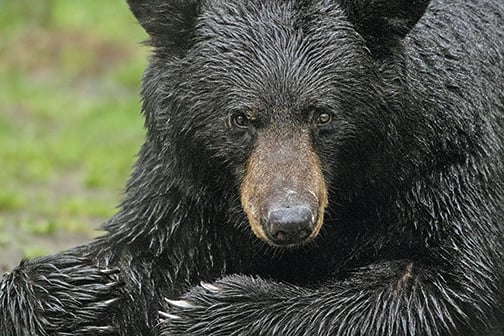
Minnesota’s black bear kill rises to largest total in over two decades
Minnesota’s 2026 bear season now ranks among the tops in state history, with the highest harvest totals in two decades.<br

South Lake balances panfish, pike, and big bass in Michigan’s Washtenaw County
Ten-inch redear sunfish aren’t what most anglers expect to find at the end of their line, but South Lake has
Michigan’s Outdoor Calendar
A look at upcoming outdoor-related events from across Michigan published in the Oct. 23, 2026 edition of Outdoor News.
