




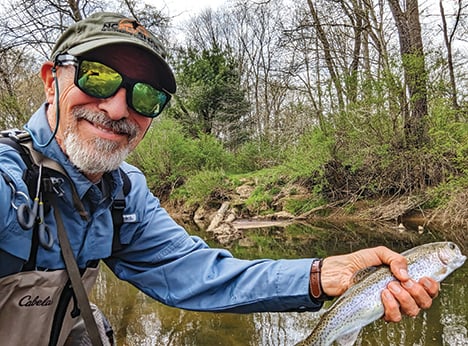
It can be almost too easy to catch trout during the first couple of weeks after stocking occurs. Most trout fin for a week or two, often visible, in the same pool or very near where they were dumped into the streams.
They aren’t accustomed to the wild and eagerly feed on almost anything that drifts by. Exuberant fishermen line the banks, shoulder to shoulder, not just hoping, but expecting to catch a limit of fish that are more curious than cautious.
Give the fishery a month or so, and the days of easy pickings fade away. By the first of May, stocked trout that survive April’s onslaught adopt habits close to their wary wild cousins.
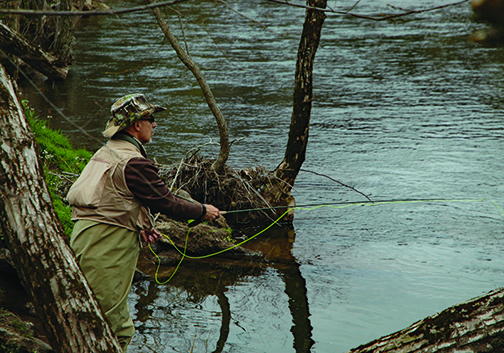
They learn to ignore unnatural food sources and to evade predators. You can bet that trout caught and released in April learned the hard way what a hook looks like and what it means to be stung.
They’ve been bumped, chased, and sometimes stung more times than a beekeeper. Adaptive fish tuck under riverbank cutouts, hide in root tangles and under overhanging branches.
They now avoid unexpected shadows like the plague. If they’re caught off guard and can’t quickly reach safe structure, they dart for the deepest, darkest currents.
Silhouetted fishermen who walk like elephants and flail arms like hummingbirds at the feeder send suspicious fish streaking for cover.
The gaudy offerings that attracted fish in April may now earn nothing more than a suspicious glance as the wary trout slide away from the presentation. We now must employ less intrusive techniques.
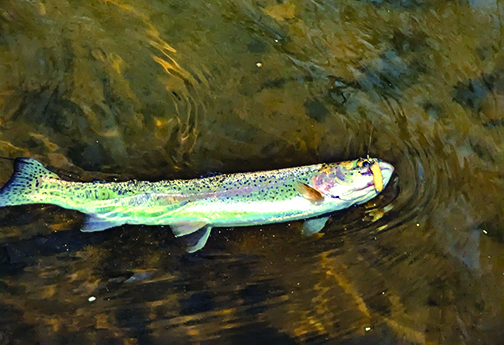
There are many reasons why experienced trout are more difficult to catch. They learned to recognize the flies and lures used most often, and instead of striking impulsively, they have become more selective about food sources.
For a month or more, stocked trout witnessed unskilled fishermen repetitively make sloppy presentations. Now, careful anglers who delicately present unobtrusive offerings that trout haven’t observed repeatedly, have a great opportunity to catch cautious fish.
TROUT COVERAGE FROM OUTDOOR NEWS:
Commentary: Pennsylvania mentors should not be allowed to fish for trout
Early spring fly fishing is often an exercise in restraint, patience
Fish the ‘pocket’ water: Where overlooked runs hold big trout potential
Stocked trout’s instincts sharpen as they are exposed to danger, which leads them to seek safety at the slightest hint that something is wrong.
Disruptive presentations of bulky baits or poorly tied flies lure trout during the early season, but as they acclimate, their diet changes to natural forage, like midges, scuds, caddis, stoneflies and minnows.
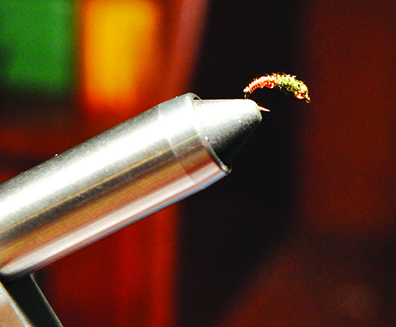
Just as importantly to observant fishermen, wary fish learn that Mother Nature serves her food in a specific manner, and those food sources never disrupt the water.
It becomes increasingly critical that fly-fishers not only match food sources but their drift must match the current speed. Stocked fish become very capable of avoiding presentations that approach their positions more like a predator than a potential victim.
It is critical to try harder than ever to present offerings with a current-matching drift.
Trout also learn to feel vibration not only from waders in the stream, but also from heavy foot traffic approaching the waterway. They also become wise enough to recognize that brightly colored lines are frauds.
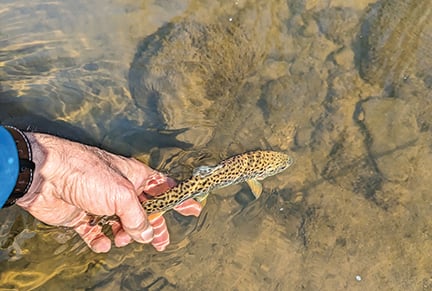
As they adapt to the wild, they learn where natural safe zones are. They also learn when natural food sources are most likely to become available.
The more details the fisherman gets right, the greater the odds become that he or she will catch a wary trout.
Flashy and obvious may have been the go-to offerings during the early season, but now it is time for subtle and sneaky. Wary trout will usually prefer smaller offerings that are attached to thinner fishing lines, when food is plentiful.
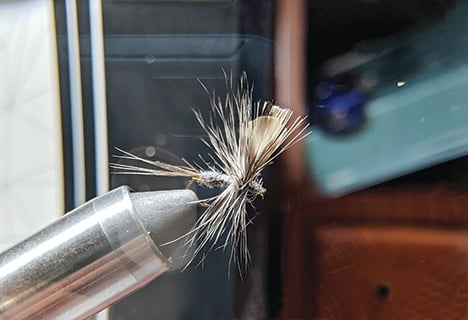
The exception is when large, mayfly eruptions occur. Then the best tactic is to match the size and color of the insects hatching. Natural colors like black, green, olive and tan should replace offerings that were previously pink, orange, white or yellow.
The most productive times will now be during moments of lowlight and when little angling pressure is present. Analyzing structure is increasingly important, and careful wading really matters.
Soft, stealthier casts are no longer suggestions but are basic requirements.
Enjoy the lessons taught by the wiser trout of May.

Dan Small Outdoors Radio: Show 2138
Indiana hunter scores a huge black bear in northern Wisconsin. Jeff heads to Cass Lake, Minn. for a Masters Walleye
Way less land for hunting spurs action from Pennsylvania Game Commission
The Pennsylvania Game Commission has overhauled its Hunter Access Program this year in an effort to boost declining landowner participation
Where do big bucks go when they vanish?
Over the course of our three-months-plus bowhunting season, seeing just one wall-hanger buck can be cause for celebration. Trophy proportioned
