The Minnesota Department of Natural Resources has finalized its multi-year effort to update the state’s long-range plan for muskellunge. The plan will be used to guide muskie management in Minnesota through 2040.
The plan uses information from recently completed studies focused on muskie survival and ecology, along with community interactions and extensive stakeholder input. Updates to the plan include revised management goals, objectives and strategies centered on:
- Improving existing muskie populations
- Shifting approaches in the production of muskies to be stocked
- Continuing hybrid (tiger) muskellunge management in the metro area
- Broadening research and education efforts
“This plan marks a shift in our focus and a significant pivot in our approaches,” said Leslie George, northeast region fisheries manager. “We know there will be successes and challenges as we begin to put the plan into practice, but starting with a shared vision will position us well as we move forward.”
MORE COVERAGE FROM MINNESOTA OUTDOOR NEWS:
In 50-49 vote, U.S. Senate ends copper-nickel mining ban near Boundary Waters Canoe Area Wilderness
Minnesota bear numbers growing outside of their natural range
Turkey vocalizations every hunter should understand to break the language barrier
Among the most significant changes to muskie management is the increased use of yearling muskie stocking, or young muskies raised into a second year and stocked in the fall, which have much higher survival rates after being stocked. The plan also calls for increased focus on the muskie fisheries in Mille Lacs Lake, Lake Vermilion and Lake Minnetonka, an approach that received strong support during the public input process.
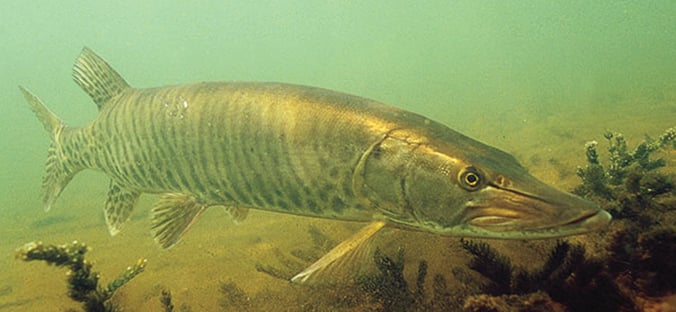
Muskies are a large, popular predator fish native to Minnesota. The Minnesota DNR manages muskies by protecting critical habitat on native muskie waters, stocking them into select other waters, setting harvest and season regulations, population monitoring and research, and outreach and education about muskies.
Minnesota has 101 waters managed for muskies, comprising 2% of the state’s fishable lakes and rivers and 22% of the total surface area that is fishable. Muskies have been introduced in 48 lakes and are maintained in these lakes through stocking.
More information about muskie and the long-range muskie plan is available on the the DNR’s muskie webpage.