




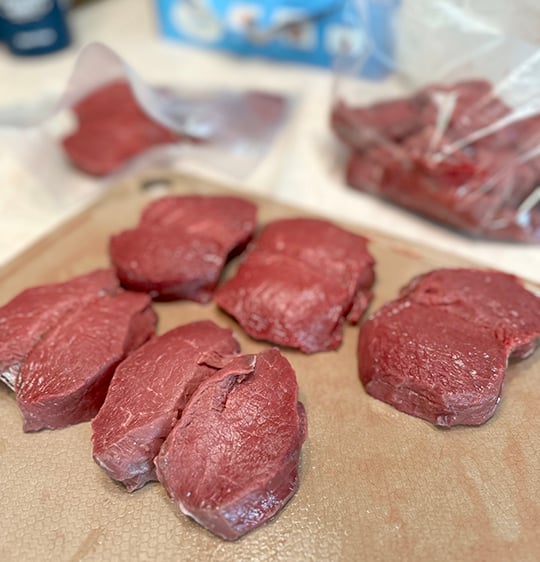
A buddy sent me a link to a story that appeared in The Atlantic Monthly back in January.
Titled “Eat More Deer – America is letting good meat go to waste,” the piece advocated for allowing Americans to sell venison taken via legal hunting. As many readers know, the federal Lacey Act prohibited the commercial sale of wild game meat way back in 1900.
Exiting an era when market hunters drove most game species to near extinction, federal and state governments and the general public supported a sharp shift from the free-for-all pioneer mindset about wild game and implemented strict protections. Eliminating wild game commerce more than a century ago played a huge role in the recovery of those species, and it’s the reason that your venison burger still has “Not For Sale” stamped on the packaging.
 But Yasmin Tayag, a staff writer at the Atlantic, points out that white-tailed deer likely have recovered to their highest populations in continental history, so should Americans find some wiggle room in laws like the Lacey Act?
She opens the piece by sharing details of her recent hunting experience, then points out, accurately, that “A bounty of such succulent, free-range meat is currently running through America’s backyards. The continental United States is home to some 30 million white-tailed deer, and in many areas, their numbers are growing too rapidly for comfort.”
She makes some other solid points. Beef prices have exploded, and venison offers a lean, low-cal protein substitute. The only ground venison she can find at grocery chains out east, however, comes from (chronic wasting disease-free) New Zealand at a hefty $12 per pound.
Meanwhile, especially along the Eastern Seaboard, white-tailed deer populations are increasing while hunter numbers – despite unrelenting efforts to recruit new participants – continue to decline. She offers a simple solution to solve both problems: “It’s hard to imagine a better incentive for deer hunting than allowing hunters to sell their venison to stores and restaurants.”
MORE WHITETAIL COVERAGE FROM OUTDOOR NEWS:
Former president of Bluffland Whitetail Association charged in Minnesota’s Fillmore County
Is the .41 Great Lakes wildcat the best straight-wall cartridge yet?
What stands out from Wisconsin’s overall deer season in 2025? A deep look into the numbers
A few states like New Jersey and Maryland have tried to legalize the sale of hunted venison (in 2014 and 2015 respectively).
But those efforts, as well as a favorable 2022 statement from the Mississippi state attorney general on possibly legalizing wild game sales there, went nowhere. That’s because opposition to the concept from hunters remains adamant pretty much nationwide.
Tayag shared a fact that surprised me: One state does allow wild deer meat sales. Since 1961 in Vermont, hunters have been able to sell their venison during the actual hunting season and for 20 days thereafter. Even there, however, Tayag found hunters cautious about selling their venison, though many were willing to barter or share it freely.
A Vermont Fish and Game staffer admits in the piece that few hunters take advantage of the law allowing them to sell wild game. It’s just not in the hunting culture of this country.
Culture can change, sometimes quickly, but the simple reality of CWD probably makes commercial sale of wild venison untenable. That aside, the bigger issue is the risks associated with rebuilding wild game commerce. We saw what that did to North American wildlife 125 years ago.
Tayag says that any modern system would be fundamentally different from the colonial-era approach because state wildlife agencies would regulate it better now. She’s probably right, but I can’t shake the feeling that a slice of the public would suddenly see dollar signs when they drive past a herd of wild deer.
If a whitetail on the hoof suddenly is worth $250 because its meat will no longer be stamped “Not For Sale,” then a market – and maybe a black market – now exists for that animal. Quite simply, poaching could explode if a dead deer equated to quick cash.
Though I appreciate Tayag’s piece and interest in hunting, the commercial sale of wild game still deserves a hard pass.
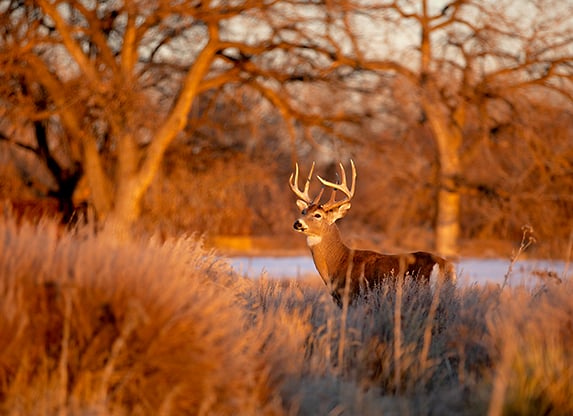
Pennsylvania’s hunting license sales down so far this year
Hunting license sales are down nearly 4.5% at the end of August, although Pennsylvania Game Commission officials believe there is
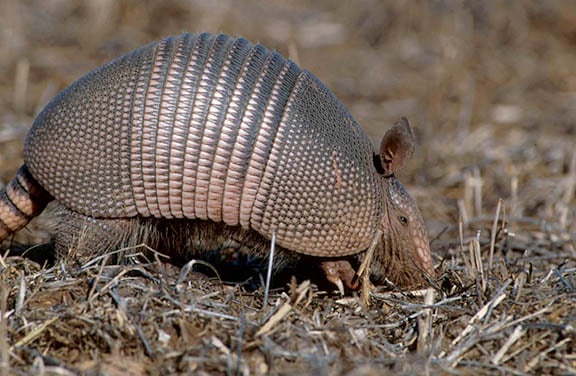
Origin of road-killed armadillo in southwest Ohio a mystery
An armadillo found as roadkill in southwest Ohio has researchers scratching their collective heads wondering from where the non-native mammal
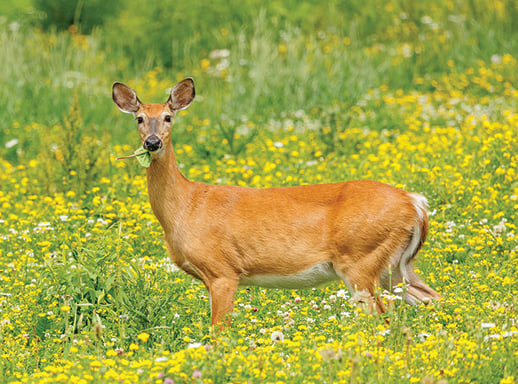
Bowhunt gets started in Ohio with additional opportunity in CWD surveillance area
Hunters in Ohio’s chronic wasting disease (CWD) surveillance area have additional dates this season to pursue white-tailed deer. The Ohio
