




Anglers and boaters are still waiting for a definitive solution to stemming the tide of Asian carp eventually gaining access to the Great Lakes.
Most are hoping cash-strapped governments will pony up the billion-plus dollars it will take to get the Brandon Road Project completed. The chances of that happening goes down as the cost estimates go up.
 Decades ago, silver and bighead carp imported from Asia escaped into the Mississippi River – accidentally or intentionally – from aquaculture rearing ponds in either Arkansas or Mississippi. Soon after they escaped, people paid to ponder the effects of this on the environment determined the carp population in the river was expanding and heading both upstream and downstream in the Mississippi River and its tributaries.
These fisheries biologists were well aware the introduction of the Eurasian carp (now so ubiquitous it’s called the common carp) to North America in the mid-1800s and its subsequent expansion across much of the continent was one of the most tragic environmental events to ever occur in the U.S. and in parts of Canada and Mexico.
That being the case, what would happen if these “new” carp species expanded and managed to fill other niches, somewhat unaffected by the now widespread common carp?
When pondering the possible effects of doing nothing about the northern expansion of silver and bighead carp was occurring, the most positive thinkers acknowledged while the new carp could be problematic in mid-America’s rivers, the effect on the Great Lakes would be minimal.
They opined the Great Lakes waters are so cold and sterile (compared to large, muddy rivers) these filter-feeding interlopers wouldn’t thrive.
The most pessimistic said Asian carp would be so destructive they would wipe out the current fishery in the Great Lakes valued at $6 billion annually. Like most things – reality lies somewhere between the extremes.
RELATED COMMENTARY:
Mike Schoonveld: There’s a better solution to keep invasive carp from the Great Lakes
Regardless of which extreme would be closest to reality, millions of dollars were spent thinking, planning, holding meetings, monitoring and scheming of ways to stymie Asian carp before they reached the Great Lakes. The result (so far) has been reports, huge stacks of paper and blueprints costing millions to create a plan to rebuild a lock and dam in the Des Plaines River in Illinois.
The project was enormous when planned and projected to cost roughly $200 million. The latest cost estimates are over a billion. Best guess is there’s an 87% chance the planned Brandon Road mega-project would be successful in keeping the Great Lakes free of Asian carp.
Remember, the Mississippi watershed was never naturally connected to the Great Lakes. Had the canals never been built to connect them, Asian carp would still have been a problem for the Mississippi and its tributaries, but not in the Great Lakes.
MORE COVERAGE FROM MICHIGAN OUTDOOR NEWS:
Michigan DNR explains its financial status to state’s Natural Resources Commission
Michigan commission approves use of new electronic kill tags
Regulations approved for coyote hunting and trapping in Michigan
Too bad the guy who showed up at one of the original “what-to-do” meetings who suggested filling in a section of the man-made canals quickly was dismissed and not invited back. Though a solid plug would quickly and inexpensively stop the carp from getting to the Great Lakes, it would also impede commercial shipping.
Granted, moving commercial cargo to and from Chicago from areas south and west of the city always has been important. However, the amount of cargo transported through the Chicago Area Waterways System now is less than half of what it was at its peak and is declining annually.
Much of the cargo was coal, no longer a hot commodity. Much of the cargo was corn and other grain, much of that now going to ethanol. Other shippers have switched to rail and highway transport. Perhaps it’s time to rethink the “plug the canal” solution.
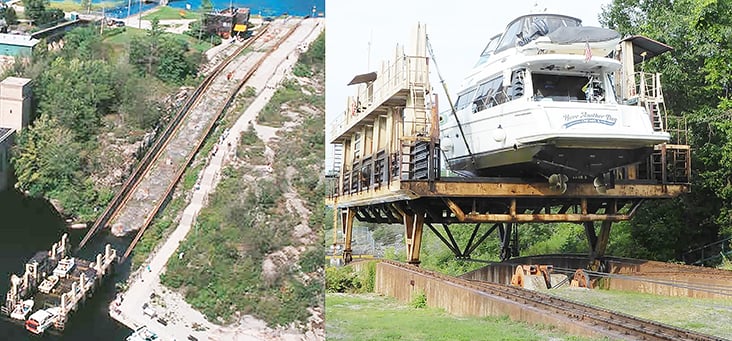
If that solution were put back on the table, would it end shipping via water from the Great Lakes to the Mississippi? Definitely not! All that’s needed is a plan to move the cargo from one side of the plug to the other. Fortunately, a model solution is already in place and has been working since 1922.
Now called the Big Chute Marine Railway, it was built to allow boats to bypass a treacherous section of the Severn River in Canada where the river plunges downward nearly 60 feet in a short distance through rapids and waterfalls. This was a massive project but simple in scope and created to complete the Trent-Severn Waterway, connecting Lake Huron to Lake Ontario.
The railway connects the river above the “chute,” to the river below the chute. The rails extend into the water on both ends allowing a specially-built carriage to transport boats either upstream or down, like a cable car in San Francisco. When the carriage goes into the water on either end, boats up to 100 feet long can be floated on or off the carriage.
For far less than $1 billion, a similar railroad at Brandon Road or some other pinch-point in the canals that connect the Mississippi and the Great Lakes could be built.
Does that make sense?
Maybe too much.

Pennsylvania’s hunting license sales down so far this year
Hunting license sales are down nearly 4.5% at the end of August, although Pennsylvania Game Commission officials believe there is
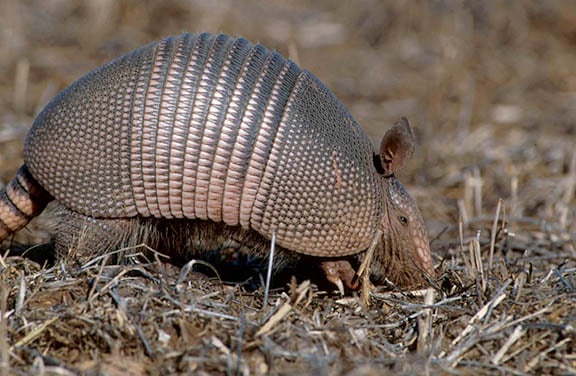
Origin of road-killed armadillo in southwest Ohio a mystery
An armadillo found as roadkill in southwest Ohio has researchers scratching their collective heads wondering from where the non-native mammal

Bowhunt gets started in Ohio with additional opportunity in CWD surveillance area
Hunters in Ohio’s chronic wasting disease (CWD) surveillance area have additional dates this season to pursue white-tailed deer. The Ohio
