




Minnesota Mixed Bag: Elk surveys set to being in the northwest

St. Paul — The Minnesota DNR will conduct aerial elk surveys in the next few weeks when snow cover and other conditions allow.
DNR staff will survey the Kittson County and Grygla elk herds in northwestern Minnesota and the border elk herd in both Minnesota and Manitoba. Aerial survey information helps the DNR monitor elk populations and make decisions about future elk management and harvest regulations.
“We will start our elk surveys after Jan. 1 and when there is a minimum of 8 inches of snow cover,” said Doug Franke, area wildlife supervisor and elk survey coordinator. “Surveys are typically completed within one to two weeks, depending on weather conditions.”
DNR pilots will fly fixed-wing aircraft on both sides of the border during daylight hours at an altitude of approximately 200 to 300 feet, with wildlife staff in the aircraft counting the elk from above.
The DNR is also asking for help from people who have recently seen elk in their area. People may share information by using the new elk sightings tool on the DNR website or by calling their local DNR office – in Karlstad at (218) 772-1261; Thief Lake at (218) 633-7671; or Thief River Falls at (218) 219-8587.
MORE COVERAGE FROM MINNESOTA OUTDOOR NEWS:
Joe Stangel takes reins of management for Minnesota’s southern region wildlife
Minnesota’s ‘CWD hunt’ harvest tops last year’s
Minnesota’s 2025 outdoor highlights: shotgun zone ends, CWD milestone, and much more
DNR SEEKS FEEDBACK ON PROPOSED RULES FOR FUR FARMS
St. Paul — The Minnesota DNR is seeking public comments on proposed administrative rules governing fur farms as directed by the Minnesota Legislature in 2024. That legislation established separate statutory provisions for fur farms and directed the DNR to develop rules applicable specifically to fur farm operations.
The proposed rules strengthen the framework for identifying problems early, ensure consistent practices, and reduce the chance that undetected issues could contribute to the spread of wildlife diseases.
The DNR welcomes written comments on the proposed rules until 4:30 p.m. on Thursday, Feb. 19. Submit comments to Leslie McInenly, populations and regulations manager, by email to leslie.mcinenly@state.mn.us, by calling (651) 259-5220, or by mail to Leslie McInenly, populations and regulations manager, Minnesota Department of Natural Resources – Section of Wildlife, 500 Lafayette Road, St. Paul, MN 55155.
More information is available on the DNR rulemaking webpage. Free copies of the proposed rules are available upon request.
DNR REPORTS RESULTS OF LAND SALE
St. Paul — Land sales are a vital part of the DNR’s efforts to strategically and regularly improve Minnesota’s public land offerings so that the land meets the department’s conservation and recreation needs. The DNR periodically sells surplus lands to invest in higher-quality lands for the benefit of Minnesotans.
A few of examples from the 2025 land sale: In Carlton County, a small, isolated 2.57-acre property near Wrenshall was sold at auction for $75,250. The proceeds from this sale may be reinvested to help the DNR acquire higher-quality state lands for recreational, environmental, or economic benefits.
In Clearwater and Wadena counties, bids on three landlocked properties resulted in the sale of 120 acres out of 188 acres of school trust lands, generating about $130,000 for the state’s Permanent School Fund, which supports 850,000 K-12 students in Minnesota.
The 67-acre school trust land parcel in St. Louis County did not sell and may be available for purchase at a future public auction.
Information about 2026 public land auctions will be posted on the DNR land sale webpage. Call (651) 259-5432 for more information.
FIREWOOD USE ADVICE AVAILABLE FROM DNR
St. Paul — As Minnesotans settle into the winter season, the Minnesota DNR is reminding landowners who harvest or buy firewood for heating to take steps to protect their homes, woods, and selves.
The DNR urges landowners who harvest their own firewood to burn it near where it is cut. Similarly, the agency reminds people who buy firewood to find locally sourced wood. With insects dormant in winter, cutting firewood during cold months and minimizing the distance that cut firewood travels reduces the risk of spreading diseases and fungi.
For more tips on how to keep homes and properties safe from fire, visit the DNR’s Firewise webpage.
TWELVE STATE-LICENSED HUNTERS SUCCESSFUL DURING WISCONSIN ELK SEASON
Madison, Wis. — Wisconsin’s eighth managed elk hunt concluded on Dec. 19, with 12 state-licensed hunters finding success afield.
State-licensed hunters found success in both elk ranges in Wisconsin, in which a total of seven bulls and five antlerless elk were harvested statewide.
The 13 Wisconsin state-licensed hunters who participated in this year’s hunt were randomly selected from a pool of more than 26,000 applicants. The DNR received 17,737 applications to hunt in the Clam Lake (northern) Elk Range and 8,452 applications for the Black River (central) Elk Range. An eight-bull quota was established for the Clam Lake Elk Range. Four licenses were awarded to state hunters, and, per treaty rights, the Ojibwe tribes declared a harvest of four bull elk. In the Black River Elk Range, five antlerless and four bull licenses were issued to state hunters, up from a four-bull quota in 2024.
“All five antlerless elk were harvested in areas where the reduction of a few elk was intended, making it a successful harvest for the hunters as well as meeting harvest objectives,” said Christina Kizewski, DNR Central Elk Zone biologist.
SUBSCRIBER CONTENT
Read this article now.
Create a free Outdoor News account.
Create a free account below to get instant access to this article, thousands of Outdoor News stories, and our digital editions. Your 1-month trial starts the moment you sign up.
No credit card required
No credit card required
Subscriber? Login Here.
Share on Social
Hand-Picked For You
Pennsylvania’s hunting license sales down so far this year
Origin of road-killed armadillo in southwest Ohio a mystery
South Dakota Fishing Report – September 16, 2026 – video
Bowhunt gets started in Ohio with additional opportunity in CWD surveillance area
Ohio’s statewide fishing and hunting report on Sept. 17, 2026
Niagara Falls (N.Y.) Fishing Report – September 15, 2026
Related Articles
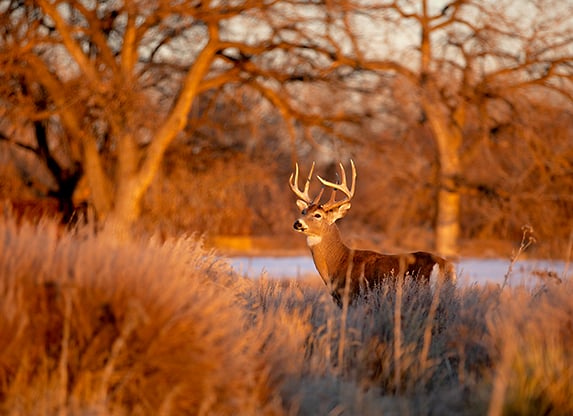
Pennsylvania’s hunting license sales down so far this year
Hunting license sales are down nearly 4.5% at the end of August, although Pennsylvania Game Commission officials believe there is
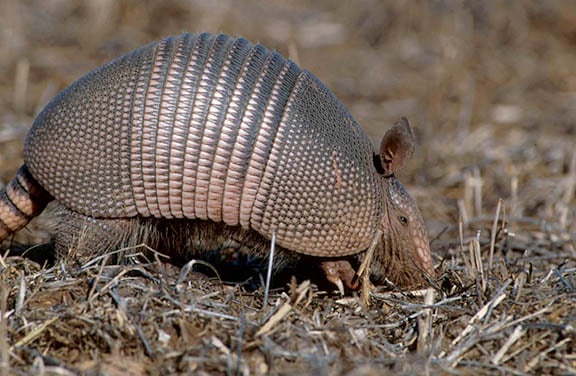
Origin of road-killed armadillo in southwest Ohio a mystery
An armadillo found as roadkill in southwest Ohio has researchers scratching their collective heads wondering from where the non-native mammal
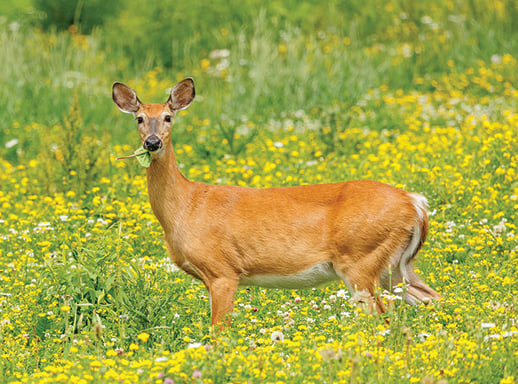
Bowhunt gets started in Ohio with additional opportunity in CWD surveillance area
Hunters in Ohio’s chronic wasting disease (CWD) surveillance area have additional dates this season to pursue white-tailed deer. The Ohio
