
Episode 571 – Deer harvest, nongame birds, Tony Roach, Missouri turkeys, remembering George Meyer
Top topics on Outdoor News Radio this week include a




Top topics on Outdoor News Radio this week include a
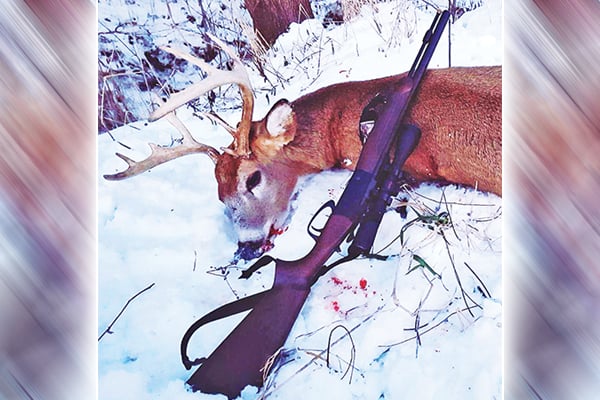
There is no doubt that by now most of the deer in your hunting area have become quite reclusive after being hunted for a solid week by a barrage of gun hunters.
After opening day, the general firearms deer season can be one of the hardest times to take a deer. The good news, however, is that once the general firearms season has ended, most of the hunters are out of the woods for what could be one of the best times to tag a great buck.
Ohio’s late muzzleloader season calls for a change in tactics Read More »
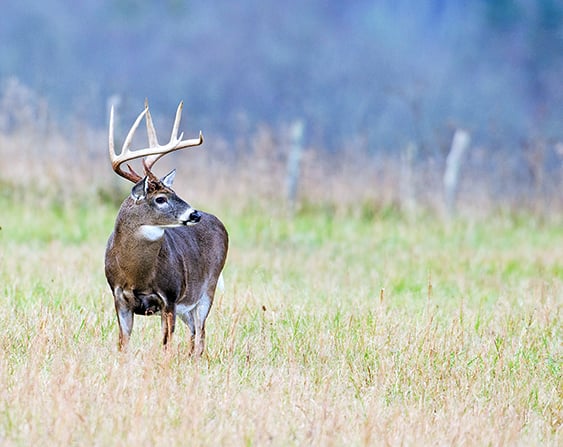
There’s no such thing as a quiet year in New York’s sporting world, and 2025 was no exception.
Change is bound to happen and the year featured plenty of it, and on a variety of scales. A few new hunting and fishing records were achieved along the way, along with a handful of other notable milestones. Here’s a look back at the most compelling stories of 2025.
2025’s top stories: another busy year for New York sportsmen Read More »

Don’t wait too long after shooting your rifle to get
WI Daily Update: Don’t wait too long to clean your rifle after shooting it Read More »
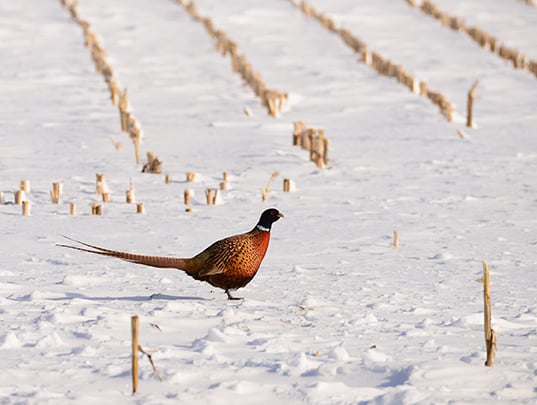
At the beginning of December, a pretty big swath of the Midwest went from fall to winter in the span of a couple of days. Real snow fell for the first time, and the temperatures dipped far enough to convince ice fishermen that they might want to start organizing their gear.
When winter weather hits, a lot of upland hunters start to dial back their efforts. Some of the best pheasant hunting of the year happens during the last few weeks of the season, but the roosters won’t give up without a fight, and you have to know exactly where to look for them.
Hard truths about December pheasants that most hunters ignore Read More »
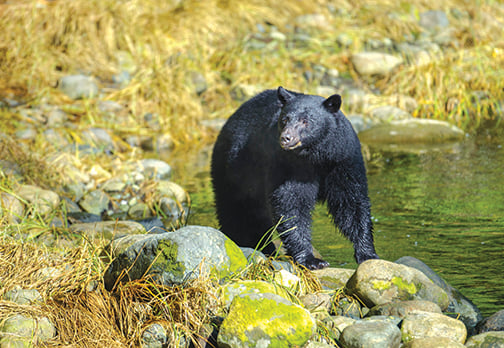
The Conservation Congress Bear Study Committee met earlier this month to review 2026 harvest quota and tag number recommendations from the DNR Bear Advisory Committee, which would increase tag numbers in the southern bear zones, while leaving quotas relatively stable.
