




I remember the first time I saw the imaging from a study investigating lead fragmentation on shot game.
The area of impact was obvious on the gray and blue slide, a neat bullet hole where the round had landed. There were clearly small lead fragments around this wound channel, but what really caught my eye were the glowing white dots scattered throughout the carcass.
Each of those neon specks were fragments of lead that the bullet had shed upon impact with the carcass. And it was plain as day, visible to the naked eye – some of those lead fragments would have been consumed if that deer were butchered and processed.
 Time and again, this research found a dozen to as many as hundreds of lead fragments in the carcasses, which regularly lodged themselves nearly a foot away from the wound channel. Some made it a foot and a half from the bullet’s mark.
It was probably a decade ago that I first saw these images, and though it bothered me, I didn’t switch to copper ammo.
A few years later I came across a non-lead ammo booth at a trade show. There were pamphlets with information on both lead risk to humans via consumption and the risk to wildlife from consuming contaminated gutpiles.
Apart from reiterating the risks to myself that I was assuming from using lead ammo, it got me thinking about other critters. Think about it: Over the course of nine days in November, more than 100,000 (sometimes closer to 200,000) gutpiles are left in the woods and fields every single year. I can’t find statistics for how many deer hunters use non-lead ammo, but just based on my pool of acquaintances, I’m confident that 90% or more of those gut piles have lead in them.
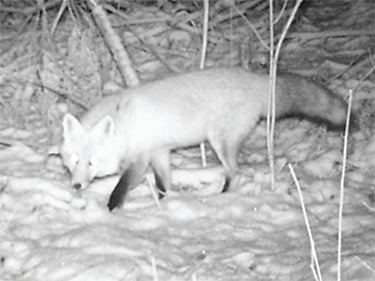
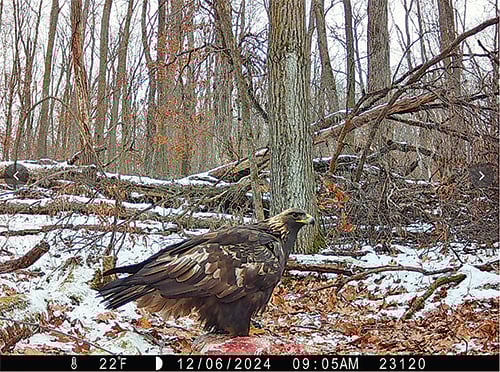
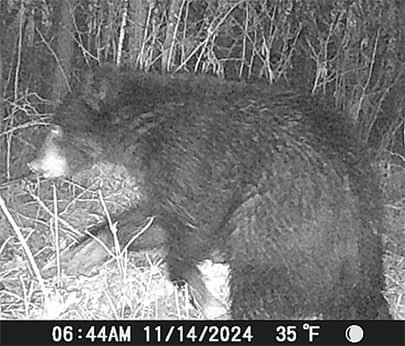
And when I started looking into how many critters will scavenge on gutpiles, it’s eye-opening. Hawks, eagles, and ravens are the critters we’ve seen the most, but several studies have observed smaller mammalian carnivores like fishers, foxes, skunks, otters, coyotes, martens, and bobcats feasting on gutpiles.
This troubled me when I learned about all the critters my gutpiles could harm. The last thing I’d want to be doing is inadvertently killing animals. I knew the potential health risks, but I still didn’t bother switching to copper.
Then came COVID. For over a year, ammo was tough to find. I had bought a .300 Win Mag rifle, and I badly needed ammo for a Western hunting trip. As dates drew nearer, I needed to get my new rifle sighted in and ready for the trek.
After Googling for an hour-plus, I finally found two boxes of Federal Trophy Copper in .300 Win Mag. I punched the “Buy” button and onward they came.
The ammo was pricier than normal for me, but I had little frame of reference because all ammo was outrageously expensive. It shot fine out of the gun at the range, printing tight, consistent groups.
Then I hunted with it. I took two bucks with that gun the first year; neither moved a step from where they stood. Both bullets were found on the offside tucked against the hide, nearly fully intact and perfectly mushroomed. Impressive.
When I got home, I researched copper ammo more. I liked what I found.
In addition to being far less prone to fragmenting and breakage than traditional lead ammo, the weight retention is insane. That explained the perfect mushrooms I collected from the bucks I shot. Ballistically, they are on par or outperform comparable lead options. I was becoming a believer.
The following year, I began my non-lead migration. My shotgun now shoots copper sabots, and for pheasant hunting, I’ve switched exclusively to steel.
A big benefit from this has been not having to worry about regulations. I have yet to find a place that doesn’t allow non-toxic shot or non-lead projectiles. Call me lazy, but it’s nice not worrying about that when I hunt public land.
In more recent times, the cost of non-lead ammo hasn’t bothered me. Is it expensive? Yeah, but so is everything else. It doesn’t seem to be any more expensive than premium lead.
If things go well, it’s not like I need to plug boxes of rounds through my rifle or shotgun every single year, so the cost is marginal over the long run. I spend plenty on other hunting gear in a year that I can’t use copper or steel cost as an excuse for not buying it.
Ultimately, ammo choice remains a personal decision. For me, it makes me feel better about feeding my wife and child game meat and know that they aren’t ingesting lead. It makes me feel better that I’m not harming other critters that might eat my gutpile. But more than that, it performs, and I have been thoroughly impressed with all copper ammo that I’ve used.
Another thought that lives in my brain is this: Like it or not, hunters are constantly under a microscope with the public because we take wild game. One or two bad apples can shatter the goodwill that most of us foster with the public.
Am I changing the world by moving to non-lead? Nope, but it’s a small step I can take to minimize my effect on the natural world and do my part to help the public image of hunting. Using non-lead ammo is a voluntary step that I can take to better steward the land.
Do I still have lead ammo at home? Sure. But as long as copper and steel are available for ammo, I’m going to keep on using them. The pros of using copper and steel outweigh additional costs. I don’t regret moving to non-lead ammo, and I’ve got the venison in the freezer to prove it.

Michigan Mixed Bag: Night-time walleye surveys scheduled on several of the state’s waters through Mid-October
Nighttime walleye recruitment surveys are being conducted from late September to mid-October, putting DNR survey crews on the water at
Wednesday, Sept. 23 marks Travel Management Rule comment deadline
Managing travel and access is one of conservation’s trickiest topics.
Ask most hunters whether they’d rather drive right to
Michigan DNR clarifies rule changes in effect for trout, salmon, sturgeon
Michigan anglers have some additional fishing regulations to keep in mind this fall after the DNR clarified several changes that

5 thoughts on “Ryan Rothstein: Why I switched to copper (and steel) ammunition”
I have been impressed with the performance of copper .270 Winchester power-shok 130 grain from Federal. Bullets rose petal and do not fragment. I switched 3 years ago. Had to adjust the scope a bit. I am done with lead.
Only use copper. Works great.
I really appreciate this valuable perspective. Lead poisoning of our wildlife is 100% preventable.
I switched to Federal Copper .270 ammo several years ago. With my rifle from the ammo shoots the same as lead. So I sight in or check my aim with lead and hunt with copper. I have killed 3 bucks with copper – all quick, clean kills. I live near a wildlife rehabilitator, so I know the problems that lead causes with raptors.
I helped with a study trapping and putting tracking devices on golden eagles in the Catskills in NY. We used road kill deer as bait, all sorts of animals would come in to our bait sites. The thing with birds in particular is that they keep those pieces of lead in their gizzard, grinding them up into smaller and smaller more digestible pieces. This is a great article, and, the price difference is not so much, I just bought 30.06 in Walmart, Barnes Harvest Collection for $34.97.