




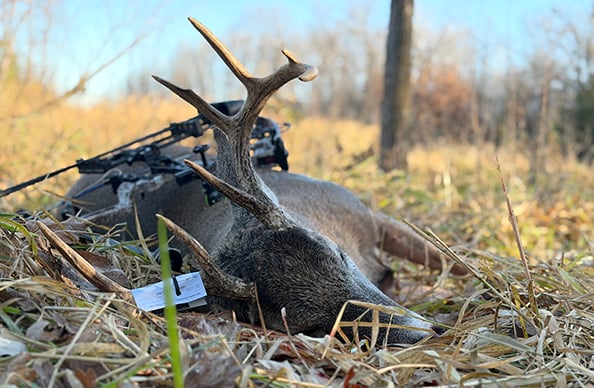
Total 2025 Minnesota deer license sales (excluding archery) were running statistically flat with 2024 through the regular firearms opener weekend.
Deer hunters carrying rifles, shotguns, or muzzleloaders had bought 382,729 licenses this year versus 384,0236 last year. Total firearms sales (excluding smokepoles and youth season tags) are down a smidge, 1%, at 299,104 versus 301,183 last year. Neither of those numbers are alarming year over year, and there’s a lot of hunting left before Dec. 31.
 Go back further in time, however, and the numbers appear more ominous among those of us advocating for robust license sales. Pure firearms deer licenses have dropped 13.6% from 2015 and 21.3% from 2000. Total gun-related deer license sales declined 10.7% and 12% in that time.
Interestingly, nonresident firearms sales, though relatively small, have increased the past 25 years. The state sold 9,950 in 2000, 11,256 in 2010, and 12,966 this year. Despite that demand, Minnesota has the cheapest nonresident deer license price of any adjacent state.
Bowhunting licenses have picked up some of the slack. Through Nov. 9, archery tags stood at 107,612, up 2% from 2024’s same-day tally of 105,122. That’s nearly 10% higher than just four years ago, when archery sales stood at 97,919 on Nov. 6, 2021. The state steadily has sold more archery tags since the ’80s when the number was around 60,000.
Thanks to numerous license subcategories like military and youth archery, those numbers aren’t perfectly apples-to-apples, but they illustrate the growing interest in archery hunting. And crossbow users clearly have contributed to the recent pulse of new archery tag sales the past three years.
MORE COVERAGE FROM MINNESOTA OUTDOOR NEWS:
Remote border crossing from U.S. to Canada still in limbo
Minnesota man dies in North Dakota waterfowl hunting incident
Minnesota’s 2025 firearms deer harvest higher than a year ago
This scribe has ranted a bit about crossbow-toting hunters getting full access to the 110-day archery deer-hunting season with no added cost. Well, rest easy crossbow users. Any new fee appears unlikely, judging from the DNR’s Oct. 1 “Analysis of Expanded Crossbow Use on Deer and Turkey Populations During Archery Seasons” report.
On Page 25 under “Next Steps,” the report suggests: “Creation of a free crossbow endorsement at the time of archery license purchase should be considered to more accurately track the number of hunters using crossbows versus vertical bows.”
Sounds like useful data, and congrats to crossbowers who apparently in perpetuity will pay the same rate as vertical bow users to enjoy Minnesota’s liberally long archery deer season.
How have crossbows impacted deer, turkeys in Minnesota after two seasons? DNR releases report
Who can blame them? It takes significantly less effort to tune and shoot a crossbow accurately than a vertical bow, and the season is way longer than the firearms hunt. Back in the day, vertical bow archers worried that crossbow proliferation would cause a backlash among firearms hunters.
The narrative went that increased harvest with lethal crossbows would reduce firearms hunting success, and the general gun-toting public would demand shorter seasons for archers. Well, as crossbow use has exploded nationwide, I haven’t seen any archery hunt lengths decrease.
I think it’s possible that crossbows could contribute to increased doe harvest in some deer permit areas, and that could affect the number of doe tags for firearms hunters. When that happens, we might see some grumbling. But in these days of relative deer abundance, at least across the farmland region, most hunters don’t appear to mind full crossbow legalization.
Archery sales absorbing some decrease in gun tags might illustrate a broader change in hunting culture. Rather than devoting a week-plus to deer camp, more guys are investing their limited free hunting hours into time after work or on a random weekend.
Having access to a 3.5-month season, especially with an easy-to-shoot crossbow, provides flexibility. Will more firearms hunters become crossbow guys? Determining how many “archers” truly are crossbow users should be step one in answering that question.
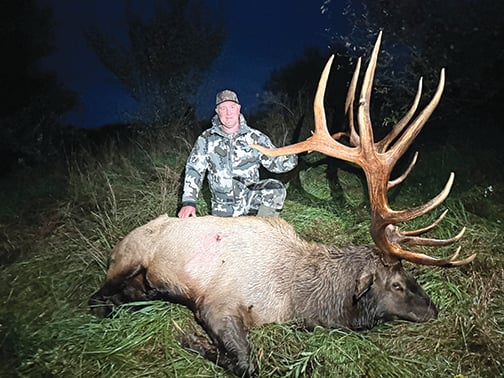
Pennsylvania’s archery elk hunters do better than in previous years
Twenty-two lucky hunters drew tags for Pennsylvania’s archery elk season Sept. 12-27, which included three Sundays for the first time.

Pennsylvania Mixed Bag: Allegheny National Forest, U.S. Forest Service donate firetruck
The U.S. Forest Service recently strengthened community safety and local partnerships through the donation of a fire engine from the
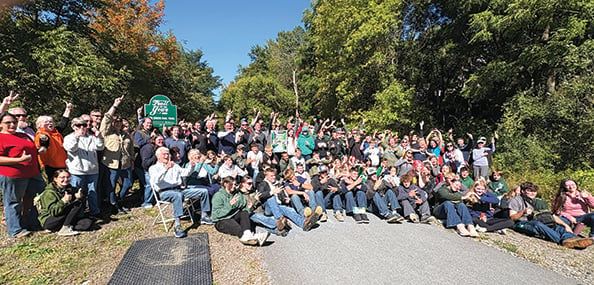
Pennsylvania’s Pine Creek Rail Trail celebrated as state’s Trail of Year
Locals and visitors gathered in this town at the northern terminus of the Pine Creek Rail Trail the weekend of
