




Minnesota Mixed Bag: DNR seeks input on year-round bass season proposal

St. Paul — The Minnesota DNR is asking for input on new fishing rules that would allow for a year-round bass-fishing season that includes a period for harvest and a period for catch-and-release fishing.
The proposed expedited rules would adjust the inland waters fishing regulations by creating a year-round bass season. Portions of the year would be catch-and-release only while the other parts of the year would allow for bass harvest.
All the current harvest periods would remain the same, with catch-and-release-only bass season periods expanding to include periods that until now were closed to bass fishing. If enacted, the new rule would go into effect for the 2026 fishing season.
The DNR is taking input on this proposal through Thursday, Oct. 23, and more information is available on the Minnesota DNR website. Input may be submitted to Shannon Fisher at shannon.fisher@state.mn.us or (651) 259-5206, or via U.S. mail to Bass Season Rules/Shannon Fisher, Box 20, Minnesota Department of Natural Resources, 500 Lafayette Road, St. Paul, MN 55155.
MORE COVERAGE FROM MINNESOTA OUTDOOR NEWS:
What can Minnesota pheasant hunters expect in 2025? Expectations are high
Al Lindner: October is meant for trophy fish
HUNTER WALKING TRAILS PROVIDE ACCESS TO PUBLIC HUNTING IN NORTHERN MINNESOTA
St. Paul — The Minnesota DNR maintains hunter walking trails as easy ways to travel by foot through wildlife management areas, state and federal forests, and other public hunting lands. Hunter walking trails wind through prime habitat for ruffed grouse, woodcock, wild turkeys, and deer.
There are more than 600 miles of hunter walking trails located throughout the northern half of the state. Many of the trails are gated, allowing foot traffic only.
Because not all hunter walking trails are listed on the hunter walking trail tool, hunters are encouraged to call area wildlife offices for more information about trails, as well as hunting and wildlife-viewing opportunities and tips.
EARLY ANTLERLESS-ONLY DEER SEASON, STATEWIDE YOUTH DEER HUNT, BOTH OCT. 16-19
St. Paul — Hunters may participate in an early antlerless-only deer season from Thursday, Oct. 16, through Sunday, Oct. 19. The season increases opportunities for hunters in deer permit areas where deer populations are above population goals.
Permit areas open during the hunt are 213, 214, 215, 218, 219, 221, 222, 223, 225, 227, 229, 236, 240, 277, 341, 601, 605, 642, 643, 645, 646, 647, 648, 649, and 661.
That weekend, too, the Minnesota DNR offers an opportunity for experienced deer hunters to share their knowledge and traditions with youth ages 10-17 during the statewide youth deer season. The four-day season coincides with statewide teacher workshops, when many Minnesota schools are closed for fall break.
For more information: mndnr.gov/hunting/deer/youth.html.
General deer-hunting information is available on the Minnesota DNR deer hunting webpage.
COMMERCIAL FISHING LICENSE AVAILABLE FOR ROUGH FISH REMOVAL, HARVEST IN INLAND LAKES
St. Paul — The Minnesota DNR is posting an open area for inland commercial fishing license. Area 22 is open for bid. Area 22 consists of most of Le Sueur County and a portion of Rice County.
State law requires the DNR to notify the public of any change in status of a commercial fishing license to determine if there are any other qualified individuals who may be interested in applying for the license.
For more information, contact: Sean Sisler, fisheries program consultant, Minnesota Department of Natural Resources, 500 Lafayette Road, St. Paul, MN 55155-4020; or call (651) 259-5213; or e-mail sean.sisler@state.mn.us
Applications must be received by 4:30 p.m. Friday, Nov. 7. For more information: https://www.dnr.state.mn.us/fishing/commercial/cf.html
FALL MULE DEER SURVEY BEGINS IN NORTH DAKOTA
Bismarck, N.D. — The North Dakota Game and Fish Department’s annual fall aerial mule deer survey is set to begin Oct. 13 in western North Dakota. Weather permitting, the survey takes about two weeks to complete.
During the survey period, people could notice low-flying small airplanes over some parts of the badlands.
NDG&F biologists have completed aerial surveys of the same 24 badlands study areas since the 1950s. The survey is used to collect mule deer population data for monitoring demographic trends, such as buck-to-doe and fawn-to-doe ratios.
SUBSCRIBER CONTENT
Read this article now.
Create a free Outdoor News account.
Create a free account below to get instant access to this article, thousands of Outdoor News stories, and our digital editions. Your 1-month trial starts the moment you sign up.
No credit card required
No credit card required
Subscriber? Login Here.
Share on Social
Hand-Picked For You
Patience is one of the keys to killing a big buck
Best method to count Illinois deer herd? AI taking a crack at it
Wisconsin letter to the editor: Mr. Durkin, Please Cut the B.S.
Stockings boost angling rebirth at Lake Le-Aqua-Na in northwest Illinois
Steve Pollick: Stars have aligned for brilliant colors in Ohio this early fall
Longtime Illinois DNR fisheries biologist leaves behind legacy for anglers
Related Articles
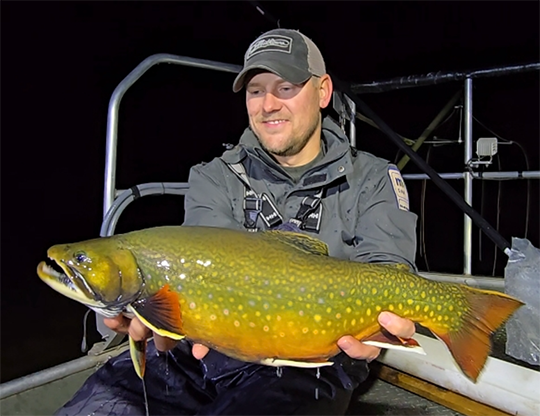
Minnesota DNR seeks to protect Grand Marais’ spawning coaster brookies with possible shutdown of fall fishing
Grand Marais, Minn. — The Minnesota DNR is considering shutting down fall fishing in the harbor of this Lake Superior

Stockings boost angling rebirth at Lake Le-Aqua-Na in northwest Illinois
Recent DNR surveys and stocking efforts offer a snapshot of ongoing efforts to boost Lake Le-Aqua-Na a handful of years
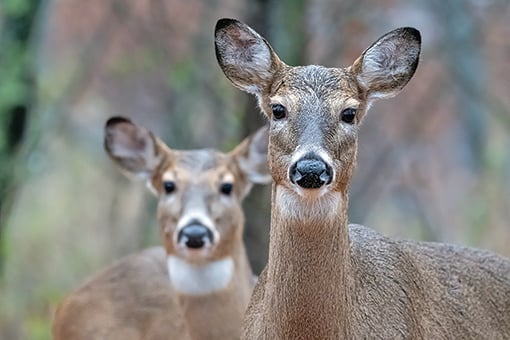
Best method to count Illinois deer herd? AI taking a crack at it
Is AI the answer to sizing up the Illinois deer herd? If nothing else, the technology may at least help
