





After two days of competition, James Hautman, an artist from Chaska, Minn., won the 2025 Federal Duck Stamp Art Contest with his acrylic painting of three buffleheads. The announcement was made at an in-person event and via livestream at Patuxent Research Refuge in Laurel, Maryland.
Hautman’s artwork will be made into the 2026-2027 Federal Migratory Bird Hunting and Conservation Stamp, more commonly know as the Duck Stamp, which will go on sale in late June 2026.
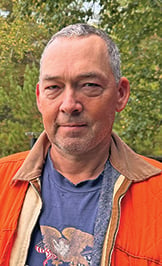
This is Hautman’s seventh time winning the Federal Duck Stamp Art Contest. His win breaks a tie with his brother, Joe, for the most victories in this prestigious wildlife art contest that dates back to 1934. A third brother — Robert — has also won the Duck Stamp contest three times, giving the trio a combined 16 wins.
The Federal Duck Stamp raises approximately $40 million in sales each year. These funds support conservation of wetland habitats in the National Wildlife Refuge System for the benefit of wildlife and the enjoyment of people.
“The stamp created using James’s art will serve as a lasting reminder of our rich waterfowl hunting heritage,” said USFWS Director Brian Nesvik. “I encourage everyone, including those who do not hunt, to buy a Duck Stamp, which raises millions of dollars to conserve wildlife and healthy wetland habitats for waterfowl and numerous other species.”
MORE WATERFOWL COVERAGE FROM OUTDOOR NEWS:
Four ways to turn passing shots into point-blank opportunities on waterfowl
Outdoor Insights: Time to organize a Duck Summit in Minnesota to address dwindling populations
USFWS survey shows duck numbers hold steady despite dry conditions
Another Minnesota artist — Thomas E. Miller of Kilkenny — placed second with an acrylic painting of a cinnamon teal. Jeffrey Mobley of Tulsa, Oklahoma, finished third with an acrylic painting of a bufflehead.
Since it was established, the Federal Duck Stamp has raised more than $1.3 billion to conserve over 6 million acres of habitat for birds and other wildlife and provide opportunities for wildlife-oriented recreation on public lands.
Funds raised from the sale of Federal Duck Stamps go toward the acquisition or lease of habitat for the Refuge System. The new areas provide additional access to the public to acres available for hunting, fishing, birdwatching, hiking and other outdoor activities.
“I am so proud to be a part of this annual tradition that combines the best of talented artwork from around the country with habitat conservation,” said Jerome Ford, Assistant Director, Migratory Bird Program. “And a huge thank-you goes to the staff at Patuxent Research Refuge for hosting the contest this year. By welcoming us for the annual event, we were able to invite the public, conservation partners and many others to be a part of this very special tradition.”
Of 290 entries judged in this year’s competition, 83 made it to the final round of judging. Eligible species for this year’s contest were wood duck, gadwall, cinnamon teal, bufflehead and ruddy duck. View the online gallery to see the entries.
The judges for this year’s contest were: Judy Camuso, Gene Clater, Margie Crisp, Tom Landwehr, Paul Padding and the alternate judge was David Turner.
Waterfowl hunters age 16 and older are required to purchase and carry the current Federal Duck Stamp. Many non-hunters, including birdwatchers, conservationists, and stamp collectors, also purchase the stamp in support of habitat conservation. Additionally, a current Federal Duck Stamp can be used for free admission to any national wildlife refuge.
Individuals can contribute to conservation and America’s great outdoors tradition by buying Federal Duck Stamps at many national wildlife refuges, sporting goods stores, and other retailers, through the U.S. Postal Service, or online.
Fishing regulations lifted on several northern Pennsylvania lakes
The Pennsylvania Fish & Boat Commission is alerting anglers that effective immediately, a temporary change in regulations has been enacted
Another Maryland Master Angler recognized for 10 species of fish
Jason Koontz, of Frederick, has earned a Master Angler Milestone Award under the Maryland Department of Natural Resources’ FishMaryland program.

Pennsylvania man is guilty of homicide in UTV, lake incident
A Westmoreland County man has been convicted of homicide by vehicle in the February 2025 death of a friend who
