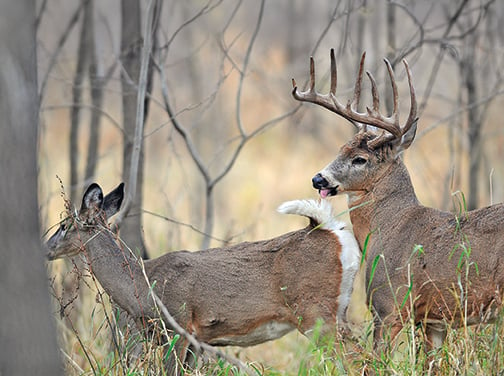
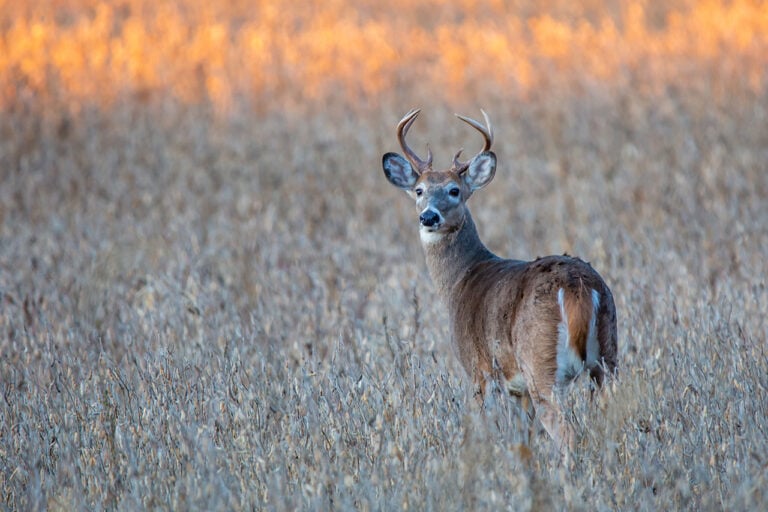
With DEC poised to commence logging at the Zoar Valley Multiple Use Area, in Western New York, to increase habitat for birds and other wildlife species, local preservationists have spoken out in opposition. Members of the New York State chapter of Backcountry Hunters & Anglers, meanwhile, have also spoken out in support of the planned operation. BHA member Logan Misseldine joins the podcast to explain the benefits of early successional habitat forestry practices and touches on some of the points he made in a recent blog on BHA’s website.
Home » From The Pages of NY ODN » Episode 56 — Backcountry Hunters & Anglers and Western New York’s Zoar Valley
Episode 56 — Backcountry Hunters & Anglers and Western New York’s Zoar Valley
Share on Social
Facebook
Twitter
LinkedIn
Email
Hand-Picked For You
North Lindstrom Lake offers fast fishing, plenty of panfish for Minnesota’s Chisago County anglers
Glen Schmitt
June 17, 2026
Minnesota Cuffs & Collars: Orphaned trumpeter swan cygnet turned over to CO, then to wildlife rehabbers
Staff Report
June 17, 2026
North Dakota breeding waterfowl survey reveals slightly drier conditions, fewer ducks
Delta Waterfowl Reports
June 17, 2026
Minnesota DNR seeks input on special regs proposal
Staff Report
June 17, 2026
Minnesota’s Outdoor Calendar
Staff Report
June 17, 2026
Pennsylvania bill would create a 3-day nonresident deer hunting license
Staff Report
June 16, 2026
Related Articles

Steve Carney: Dealing with excessive heat on the water
Steve Carney
June 17, 2026
The recent heatwave in Minnesota was intense and hard to believe. We were barely into June and already had suffered

North Lindstrom Lake offers fast fishing, plenty of panfish for Minnesota’s Chisago County anglers
Glen Schmitt
June 17, 2026
The Chisago Chain of Lakes are a band of connected fisheries united by a series of channels, small streams, and

Minnesota Cuffs & Collars: Orphaned trumpeter swan cygnet turned over to CO, then to wildlife rehabbers
Staff Report
June 17, 2026
Minnesota cuffs and collars are field reports from DNR conservation officers. These reports are from the June 19, 2026 edition