





The archery deer-hunting season is here in many states and coming soon in others. While every bowhunter in the woods is hoping for a short blood trail, that won’t be the case for everyone. Perfect shots are always the goal, but they aren’t always the outcome.
While there are ways to hedge your bets on a successful tracking job, like giving your deer enough time to expire on marginal hits, it’s also true that some blood trails are just tough to suss out. The feeling of going from good blood, to sporadic blood, and then pin-pricks or no spoor at all, is something all deer hunters will experience at some point.
That’s not the time to give up, however. It’s the time to become more methodical, and it’s time to work to figure the whole thing out. This isn’t easy, but there are a few tricks that can help you when tracking gets tough.
MORE WHITETAIL COVERAGE FROM OUTDOOR NEWS:
Key ingredients to up your odds for success on early-season morning hunts
Hunting from ladder stands can be more effective with the right plan
Three top spots for arrowing an early-season buck
Plot your path
Immediately following the shot, deer will react in unpredictable ways. They may sprint straight away, or pull a 180 and head back to familiar ground. They may do a lot of things, but usually they’ll settle into a route with some intention.
This is rarely evident when you’re out there in the dark, trying to figure out your buck’s direction of travel via headlamp.
It’s a good idea to use tissue paper or biodegradable flagging tape to mark your progress (and last blood). It’s a better idea to do that, and also to turn on any tracking feature you might have on your hunting apps. This can be a game-changer for zooming out and seeing exactly how your deer is traveling across the landscape, and where it might be headed.
This will also tell you where you’ve looked, and where you haven’t, which can be vital if you end up grid-searching.
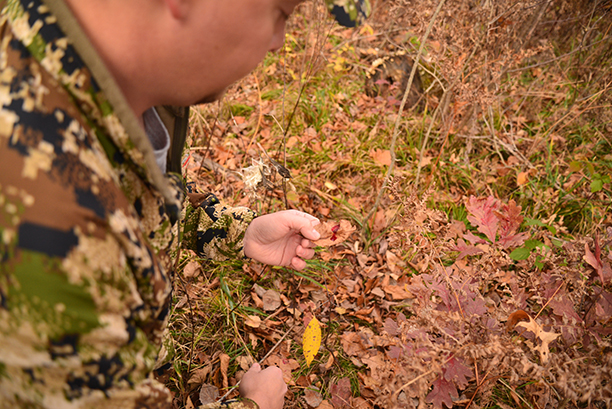
Forget the crowds
Some hunters think that blood-trailing is a more-the-merrier endeavor, so they invite several buddies to help with the task. This is almost always a mistake.
Too many people vying to find the next spot of blood can create a situation where the whole operation becomes impatient. And if there is one trait that’s important while tracking wounded deer, it’s patience.
During the initial phase of your track job, try to keep the crew to a minimum. Two is a good number, because it just seems to allow for a leader/follower dynamic, although you’ll switch roles on and off as new spoor is found.
Where big groups shine is when the blood trail truly dries up and it’s time to grid-search. When you reach this point, every extra set of eyes you can enlist is an asset. This is also not the only way to find your deer when the going gets really tough.

The best nose in the business
The ability to use dogs to recover wounded game has been a long time coming in many states. It only makes sense, and a good tracking dog is always worth it.
The key here is to not push it on the blood trail when you feel like you’re running out of steam, which ties back to keeping the original crew lean.
The less you do to mess with the trail, the better. Well-trained dogs can work through an amazing amount of olfactory noise, but there’s no reason to make things harder for them. If you have access to a tracking dog right out of the gate, and the hit is even remotely questionable, make that call.
If you aren’t sure, pay attention to the spoor, and use your best judgment. If you don’t find your deer within a couple hundred yards (another good reason to use a tracking feature on a hunting app), it’s almost never a bad idea to back out and enlist the help of a dog.
Not only are they bound to figure out where your deer traveled in far less time than it would take you, they are amazing at communicating whether the deer is even dead at the time of the tracking job.
The bottom line is that if you’re starting to get uneasy about the recovery, it’s never a bad idea to bring in some four-legged help.
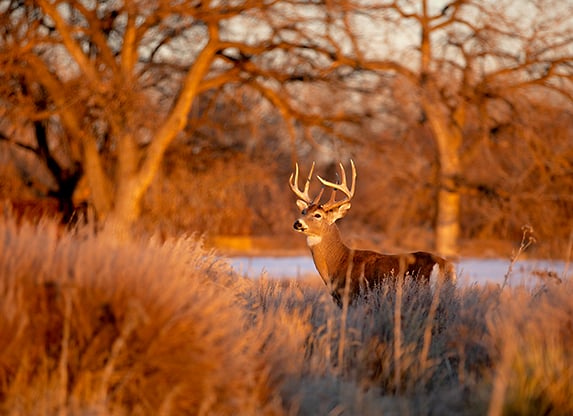
Pennsylvania’s hunting license sales down so far this year
Hunting license sales are down nearly 4.5% at the end of August, although Pennsylvania Game Commission officials believe there is
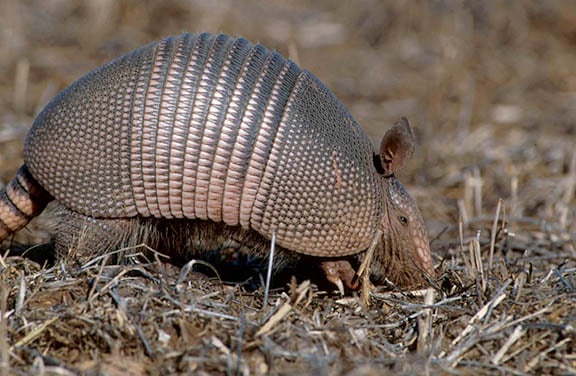
Origin of road-killed armadillo in southwest Ohio a mystery
An armadillo found as roadkill in southwest Ohio has researchers scratching their collective heads wondering from where the non-native mammal
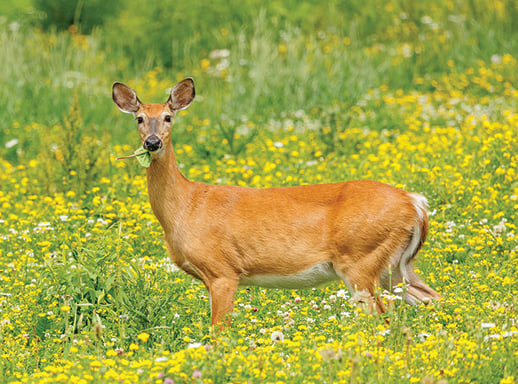
Bowhunt gets started in Ohio with additional opportunity in CWD surveillance area
Hunters in Ohio’s chronic wasting disease (CWD) surveillance area have additional dates this season to pursue white-tailed deer. The Ohio
