In 1992 we started to buy land 20 miles north of Ladysmith, Wis. By 2000 we had about 3,000 acres in one block and over that time we added 120 acres of food plots. We planted every crop imaginable, but our staples were soybeans, corn, alfalfa, kale and clover.
We had a live camera system (32 cameras) installed where we could watch many of the fields and crossings and they recorded video on motion.
Home » National Hunting » Commentary: Understanding what’s happening with the northern Wisconsin deer herd
Commentary: Understanding what’s happening with the northern Wisconsin deer herd
SUBSCRIBER CONTENT
Read this article now.
Create a free Outdoor News account.
Create a free account below to get instant access to this article, thousands of Outdoor News stories, and our digital editions. Your 1-month trial starts the moment you sign up.
No credit card required
Subscriber? Login Here.
Share on Social
Facebook
Twitter
LinkedIn
Email
Hand-Picked For You
Ohio Division of Wildlife manager Comer retires after 32 years
John Hageman
November 6, 2026
Public launch in Tiffin newest scenic river access in Ohio
John Hageman
November 6, 2026
Wisconsin EHD in southeast appears to be ending
Larry Polenske
November 6, 2026
Lake Superior lake trout numbers falling as Wisconsin NRB approves harvest reduction
Tim Eisele
November 6, 2026
Baitfish ban proposed in the Adirondacks
Dan Ladd
November 6, 2026
Southern Zone opener marks new earn-a-second-buck era in New York
Dan Ladd
November 6, 2026
Related Articles

Ep. 109 – Heart of Deer Season
Dan Ladd
November 6, 2026
Deer season is in full swing in nearly all Northeastern states, but the warm weather has sure thrown a wrench
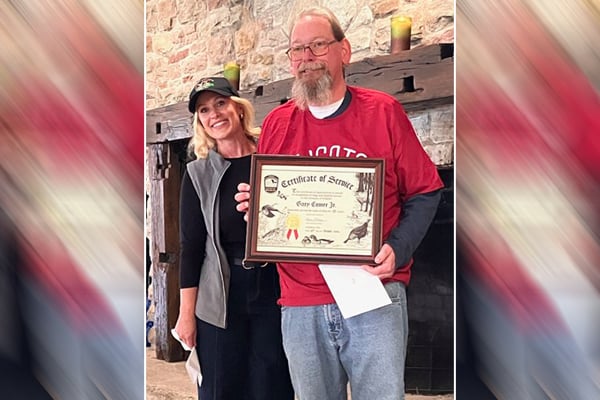
Ohio Division of Wildlife manager Comer retires after 32 years
John Hageman
November 6, 2026
West Mansfield, Ohio — On Oct. 31, the banquet room at the West Mansfield Sportsman’s Club filled to capacity as
Fooling the wise: Try these tricks to bag wily waterfowl during late season
John Flesher
November 6, 2026
Even in north-country states like Minnesota that get first crack at fresh birds coming down from Canada, sharp-eyed ducks quickly