





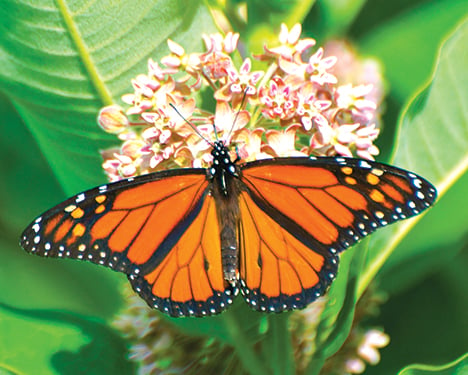
Who should manage Pennsylvania’s insects? Study aims to find out
Efforts underway in Harrisburg could bring stronger protection to Pennsylvania’s butterflies, bees, fireflies, spiders and countless other native terrestrial invertebrates,
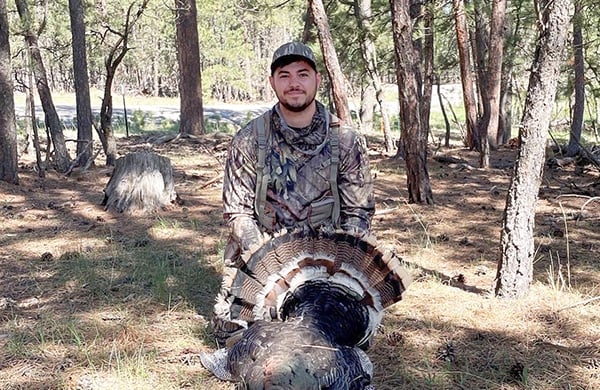
Behind the Scenes: Illinois native Brodie Eddington gained valuable experience as Farm Bill biologist
Western Illinois native Brodie Eddington is turning a lifelong passion for the outdoors into a career protecting Illinois’ wildlife resources.<br
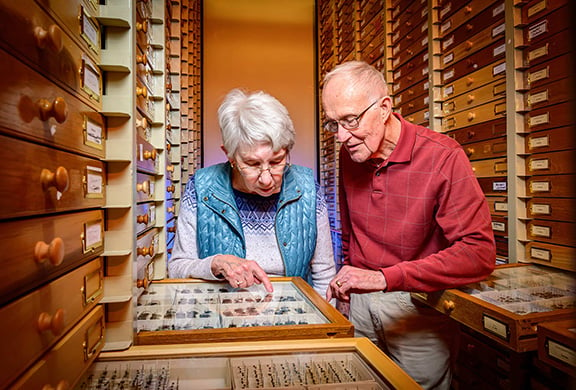
Retired couple maintains commitment to Illinois Natural History Survey’s insect collection
What began as volunteer work became something more: a family commitment to preserve one of North America’s oldest and largest
