




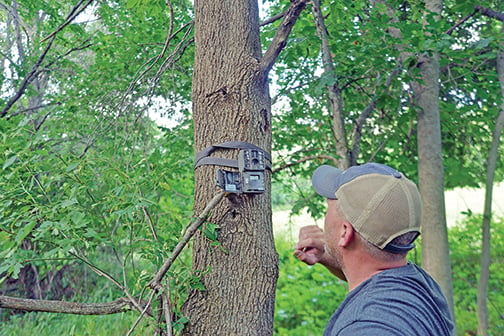
With bucks bachelored up and showing the framework for this season’s headgear, it’s a great time to get your 24/7 digital scouters out.
Cameras are the easiest way to keep tabs on the local bucks, but it isn’t so easy that you don’t need a plan. A lot of whitetail hunters forget this, and they end up getting late-summer intel that really doesn’t benefit their fall hunting.
Here’s how to avoid that trap.
Summer vs. fall range
Maybe you have the best alfalfa field in the county on your land, and the bucks come from miles around to munch on the greenery all summer. That’s great, and your trail cameras will show you plenty of action, but does that mean those bucks will be there in September or even November?
Not necessarily. Bucks have summer and fall ranges, and sometimes they don’t overlap. They also have preferred summer food sources that just don’t carry as much weight come fall. Taking inventory in a situation like this is never a bad move, but counting on those bucks to stick around could be.
Pay attention to all of the info your cameras give you, and the trends in deer movement. If a bachelor group sticks around through late August and early September, that’s a really good sign.
If you start to notice that your cameras are less active and the bucks are less predictable, that might mean you spent your scouting energy on a summer pattern that won’t play into your treestand time as much as you’d like.
MORE WHITETAIL COVERAGE FROM OUTDOOR NEWS:
Minnesota’s deer harvest opportunities to expand for 2026; regulation changes hunters need to know
Take big buck inventory now, but don’t be surprised if things change before bow opener
Gear review: First impressions of the Carbon Synergy climbing sticks from Latitude Outdoors
Dead camera spots
How long should you let a camera soak in a spot? If it’s on the edge of a soybean field and showing consistent action, you should probably let it ride. But if you hang a camera on a trail deep in the woods that was pounded with tracks last fall, and it shows almost no visitors, you have a different problem.
Deer use different spots throughout their home range at different times of the year. That’s no secret to any seasoned whitetailer, but it’s also a reality that affects trail camera strategies.
Soaking a camera for more than a few weeks when it isn’t showing you much of anything is just generally a waste of time. A good bet is to make an educated guess on why they aren’t there, and move the camera to somewhere you expect more activity.
It’s easy to lean into the set-it-and-forget mentality with trail cameras, but a camera in a bad spot isn’t telling you anything actionable (besides the obvious). Use your cameras to really scout out deer activity, and don’t be afraid to move them when they just don’t produce.
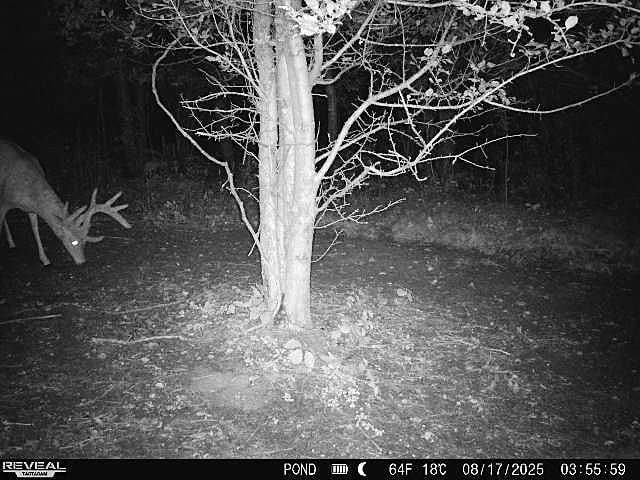
Max intel
Modern trail cameras are incredible, but most hunters still use them mostly like they did 10 or 20 years ago. That’s a shame, because what you can learn by using them to their fullest potential is eye-opening. Whether that’s opting to use video mode over still images, or setting them up to take time-lapses of your food plot every evening, learning to use cameras to maximize intel is always a good idea.
The key is to not only understand the features available on whatever cameras you use, but also analyzing each setup to understand which of those features needs to be used at each location. You might not need burst mode that will capture nine images per triggering event at a waterhole, but that same feature on a trail leading to a summer food source might be the best bet.
You might not want to set the sensitivity level super high on a camera in the woods where blowing trees and brush might set it off nonstop, but that same setting on the edge of a hayfield might help you see the deer that don’t pass by on the wood edge.
This goes even further when you look at the newest models and how they can take larger sets of trail camera images and tease out specific buck patterns from what seems like randomness.
Capturing images and videos is great, but using cameras to their fullest potential will help you make better hunting plans throughout the season. This should help you fill tags, which after all, is the real goal of scouting whitetails in the first place.
Way less land for hunting spurs action from Pennsylvania Game Commission
The Pennsylvania Game Commission has overhauled its Hunter Access Program this year in an effort to boost declining landowner participation
Where do big bucks go when they vanish?
Over the course of our three-months-plus bowhunting season, seeing just one wall-hanger buck can be cause for celebration. Trophy proportioned
WI Daily Update: Tips for catching cohos on river mouths of Superior
This is a great time of year to chase coho salmon on the river mouths on Lake Superior. Tim Lesmeister
